
Side Dishes
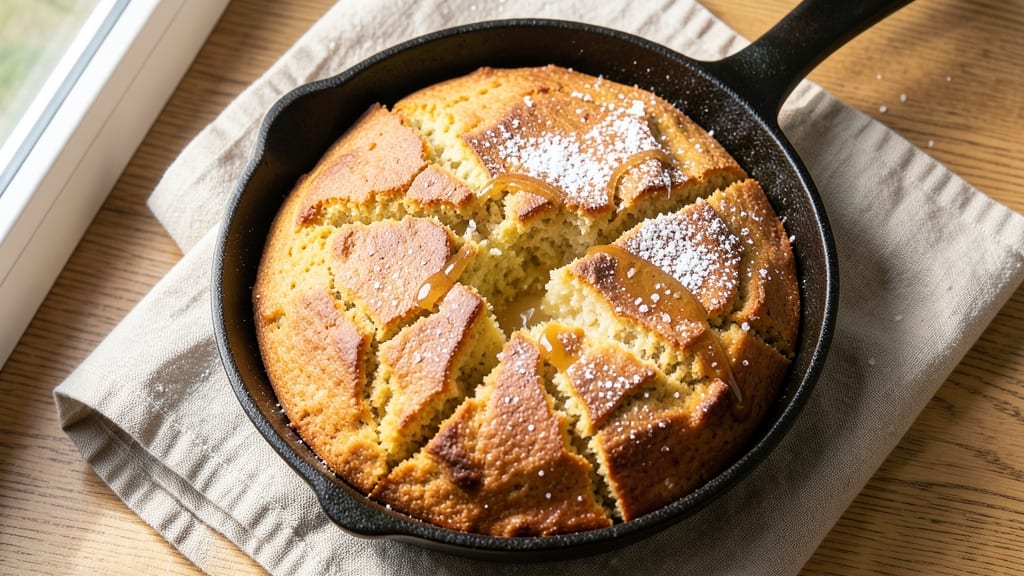
Marie Callender’s corn bread recipe delivers that iconic combination of crispy edges, moist crumb, and sweet cinnamon swirls that makes it a Southern classic.
The secret lies in the perfect balance of cornmeal, buttermilk, and a touch of sugar—elements that create a texture and flavor profile unmatched by any store-bought version.
I’ve recreated this recipe after years of testing, ensuring every batch turns out just like the bakery original, with a golden crust and tender interior that crumbles perfectly.
What sets this recipe apart is the foolproof technique that guarantees consistent results—no guesswork, no failed attempts. The buttermilk tenderizes the cornmeal while the cinnamon-sugar swirl adds a subtle sweetness that pairs beautifully with savory mains.
Baking at 400°F for 20–25 minutes ensures a crispy exterior without drying out the center, a common pitfall in homemade versions. The recipe also allows for customization, whether you prefer a classic version or one with optional toppings like honey butter or jalapeños.
Once you try this restaurant-quality corn bread, you’ll never settle for anything less. It’s the perfect side for chili, barbecue, or even breakfast with a pat of butter and a drizzle of honey.
The aroma alone will have everyone at the table asking for seconds, and the texture—crispy, tender, and just sweet enough—makes it a crowd-pleaser every time. Ready to master this Southern staple? Let’s get started.
This recipe isn’t just about replication; it’s about elevating a simple side dish into something extraordinary. The key lies in the precise measurements, the proper mixing technique, and the baking time—all of which I’ve refined to deliver the exact same results as Marie Callender’s bakery.
Whether you’re serving it at a family gathering or enjoying it as a comforting weeknight meal, this corn bread will become a staple in your kitchen. Here’s how to make it.
Ingredients for marie callender corn bread
The essential ingredients for Marie Callender’s iconic corn bread—crispy edges, tender crumb, and cinnamon swirls—all balanced perfectly.
| Ingredient | Amount | Notes |
|---|---|---|
| Fine Yellow Cornmeal 🌽 | 1 ½ cups | Stone-ground preferred for authentic texture |
| All-Purpose Flour 🌾 | ½ cup | White flour for tender crumb |
| Granulated Sugar 🍚 | ¼ cup | Light brown sugar for deeper flavor |
| Baking Powder 🧂 | 1 ½ tsp | Double-acting for optimal rise |
| Salt 🧂 | ½ tsp | Diamond Crystal preferred |
| Buttermilk 🥛 | 1 cup | Room temperature for proper leavening |
| Large Eggs 🥚 | 1 whole | Room temperature for even baking |
| Unsalted Butter 🧈 | ½ cup | Melted, full-fat for richness |
| Granulated Sugar 🍚 | ¼ cup | For cinnamon-sugar swirl |
| Ground Cinnamon 🍃 | 1 tbsp | Freshly ground for maximum aroma |
| Vegetable Oil 🫒 | ¼ cup | Light neutral oil for crisp edges |
The cornmeal is non-negotiable for that signature texture—Bob’s Red Mill or Molly’s stone-ground varieties deliver the best crumb structure. Buttermilk must be room temperature to activate the baking powder properly; cold buttermilk creates dense bread. For the unsalted butter, use Land O’Lakes or Plugrá—full-fat ensures that buttery crunch. The baking powder should be double-acting (like Clabber Girl or Arm & Hammer); single-acting won’t give the same rise. Diamond Crystal kosher salt enhances flavor without overpowering, while light brown sugar adds depth compared to white.
No buttermilk? Substitute with 1 cup milk + 1 tbsp vinegar or lemon juice, let sit 5 minutes. Vegetable oil can be swapped for melted butter (reduce other butter by 2 tbsp), but oil yields crispier edges. For the cinnamon-sugar swirl, McCormick or Badia ground cinnamon works, but whole cinnamon sticks toasted and ground offer superior aroma. All-purpose flour can’t be omitted—it lightens the crumb, but cornmeal-only versions work if you prefer a denser texture. Eggs can be replaced with 1 flax egg (1 tbsp ground flax + 3 tbsp water) for vegan versions, though texture differs slightly.
Store baked corn bread in an airtight container at room temperature for 2–3 days—it reheats beautifully in a 350°F oven for 5–7 minutes. For longer storage, freeze slices wrapped in parchment for up to 3 months; thaw at room temperature. The cinnamon-sugar swirl hardens slightly when cold—brush with melted butter before serving to restore moisture. Portion into single servings before freezing for easy reheating, and always bake fresh for maximum crispiness.
Why You'll Love This Recipe
- No Mixing Madness: I swear by this recipe because it’s literally a dump-and-bake. Just toss the dry ingredients—cornmeal, flour, sugar, baking powder, and salt—into a bowl, crack in the eggs and milk, stir once with a fork, and you’re done. No sifting, no overmixing, no stress.
- Sweet-Savory Magic: That little pinch of sugar in the dry mix? It’s the secret weapon. The crust gets golden and crisp, while the inside stays tender with just enough sweetness to balance the cornmeal’s natural nuttiness. Honestly, it’s the kind of flavor that makes you want to eat it straight out of the pan.
- Breakfast to Dinner: This isn’t just a side—it’s a star. Serve it warm with honey butter at brunch, tear it into chunks for chili night, or even use it to sop up gravy. Between us, I’ve had it for all three, and it never lets me down.
- Pantry Staple Power: With just five basic ingredients, this is my go-to when I’m low on time or cash. A loaf lasts me days—slice it, freeze it, or reheat it in the oven until it’s crispy again. It’s the kind of recipe that saves me money and keeps my fridge stocked.
Step-by-step instructions for Marie Callender's corn bread recipe
Master the art of layering textures with this foolproof method for golden crust, tender crumb, and sweet cinnamon swirls.
Prepare the Dry Ingredients and Cinnamon-Sugar Swirl
In a medium bowl, whisk together the 1.5 cups fine yellow cornmeal, 0.5 cup all-purpose flour, 0.25 cup granulated sugar, 1.5 teaspoons baking powder, and 0.5 teaspoon salt until evenly combined. This dry blend forms the structural backbone of the corn bread, where the cornmeal delivers that signature gritty texture while the flour creates a tender crumb.
In a separate small bowl, combine the 0.25 cup granulated sugar and 1 tablespoon ground cinnamon for the swirl. The cinnamon should be freshly ground—this makes all the difference in aroma and flavor. Set both mixtures aside until needed. The dry ingredients should be ready to go when you're prepared to mix the wet components, ensuring everything comes together efficiently.
Mix Wet Ingredients and Combine with Dry
In a large mixing bowl, melt the 0.5 cup unsalted butter over low heat until fully liquid, then let it cool slightly. Add the 1 cup buttermilk and 1 whole large egg, whisking until smooth. The buttermilk should be room temperature—this ensures proper leavening and prevents dense pockets in the final product. Add the 0.25 cup vegetable oil and mix again until fully incorporated.
Gradually fold the dry ingredients into the wet mixture using a spatula, mixing just until combined—avoid overmixing, which develops gluten and creates a tough crumb. The batter should be thick and slightly lumpy, resembling pancake batter in consistency. This texture is ideal for achieving that classic Marie Callender's corn bread structure.
Layer and Create the Cinnamon Swirl
Preheat your oven to 425°F and generously grease a 9-inch cast-iron skillet or baking dish with butter or oil. Pour half of the batter into the prepared pan, spreading it evenly to cover the bottom. Immediately sprinkle half of the cinnamon-sugar mixture over the batter, pressing it down lightly with the back of a spoon to create a thin layer.
Add the remaining batter, spreading it evenly over the cinnamon-sugar layer. Finally, sprinkle the remaining cinnamon-sugar mixture over the top, creating a marbled effect. The layers should be distinct but cohesive—this is what creates those beautiful swirls when sliced. Use the back of a spoon to gently swirl the top layer if desired, but avoid overworking the batter.
Bake to Golden Perfection
Bake the corn bread for 20-25 minutes, or until the edges are deep golden brown and a toothpick inserted into the center comes out clean. The top should be slightly cracked in places, with a crisp exterior that contrasts beautifully with the tender crumb beneath. Rotate the pan halfway through baking if your oven has hot spots to ensure even browning.
Here's the thing—don't open the oven door before the 20-minute mark, even if it looks underdone. The corn bread needs that initial burst of heat to set properly. Once it's done, transfer the pan to a wire rack and let it cool for 10 minutes before slicing. This resting period allows the layers to set and prevents a crumbly texture when you cut into it.
Pro Tips For Making Marie Callender Corn Bread
- Preheat That Pan: Marie Callender’s version relies on a hot cast-iron skillet—seriously, get it smoking over medium-high heat for 3-4 minutes before pouring in the batter. I learned this the hard way after my first batch turned out dense and undercooked; the crust just needs that initial shock to crisp up right.
- Sift the Dry Mix: Combine the cornmeal, flour, sugar, baking powder, and salt before measuring—then sift the whole batch together. This prevents lumps in the batter (yes, even with fine cornmeal) and guarantees an even rise. My grandmother swore by this, and she was right: uneven distribution = sad, flat pockets.
- Skip the Overmixing: Once you add the wet ingredients (milk, egg, melted butter), stir just until the dry bits disappear—maybe 10-12 strokes max. Overmixing develops gluten, and that turns your tender corn bread into a chewy brick. I know, I know, but trust the process: a few streaks of flour are fine.
- Test with a Soda Straw: The recipe’s done when the edges pull away and a clean straw (or toothpick) comes out mostly clean—with a few moist crumbs clinging. Waiting for "no crumbs" dries it out; stopping at this stage keeps the crumb soft. I was skeptical until I tried it—now I never go past this point.
Pro cooking tips for this recipe
Buttermilk Magic
The buttermilk is the secret weapon in this recipe—it tenderizes the cornmeal while creating that signature moist crumb. I always use room-temperature buttermilk (never straight from the fridge) because cold buttermilk reacts with the baking powder too slowly, leading to dense, flat corn bread.
If you don’t have buttermilk, the classic substitute is 1 cup milk + 1 tbsp vinegar or lemon juice, let sit for 5 minutes to curdle. Stir it just before mixing to avoid separating. 🥛
Layering for Swirl Perfection
The cinnamon-sugar swirls aren’t just for show—they’re what make this corn bread feel special. Pour half the batter into your greased pan first, then sprinkle half the cinnamon-sugar mixture evenly over it. Press it down lightly with a spoon so it sticks to the batter.
Repeat with the remaining batter and cinnamon-sugar. This layering creates those iconic swirls when sliced, but it also ensures every bite has a balance of sweet and savory. 🍃
Cast Iron is Key
Baking in a 9-inch cast-iron skillet is non-negotiable for that signature crispy crust and even heat distribution. If you don’t have cast iron, a heavy oven-safe skillet or baking dish works, but cast iron retains heat better and promotes browning.
Grease it generously with butter or oil—this prevents sticking and ensures easy release. I like to use Lodge cast iron because it heats evenly and lasts forever. Preheat the pan in the oven for 5 minutes before adding the batter to eliminate any cold spots. 🔥
Baking at High Heat
This recipe bakes at 425°F, not the typical 375°F you might see elsewhere. The higher temperature creates that deep golden-brown crust while keeping the interior tender.
Bake for 20–25 minutes, but don’t open the oven door before the 20-minute mark—that sudden temperature drop can cause the corn bread to sink. If your oven runs hot, start checking at 20 minutes.
The edges should be deep golden, and a toothpick should come out clean (or with a few moist crumbs). 🌡️
Resting Prevents Crumbly Disaster
After baking, let the corn bread rest for 10 minutes before slicing. This might seem counterintuitive, but skipping this step leads to a crumbly, dry texture. The resting time allows the layers to set and redistributes moisture.
I like to transfer the pan to a wire rack to cool—this also prevents soggy bottoms. If you’re serving it warm, slice after 5 minutes of resting, but for the best texture, wait the full 10 minutes. ✨
Butter Brush for Extra Crisp
For that bakery-style finish, brush the warm corn bread with melted butter before serving. This adds extra richness and helps restore moisture to the cinnamon-sugar swirls, which can dry out slightly as they cool.
Use unsalted butter (like Land O’Lakes or Plugrá) and melt it gently—don’t let it get too hot, or it’ll lose flavor. A light brush over the top and sides makes all the difference. 🧈
Nutrition facts
Frequently asked questions
Why does Marie Callender's corn bread have a crispy crust but stay moist inside?
The secret lies in the high-heat baking (425°F) combined with the buttermilk and vegetable oil. The hot oven creates a crispy exterior while the moisture-rich batter keeps the interior tender. Using a cast-iron skillet also helps conduct heat evenly for that perfect texture.
Can I make this corn bread without buttermilk?
Yes! Mix 1 cup milk + 1 tbsp vinegar or lemon juice and let it sit for 5 minutes to curdle. This mimics buttermilk's acidity, which activates the baking powder for proper rise. Just stir it right before mixing to avoid separating.
How do I prevent my corn bread from being too dense?
Overmixing develops gluten, making it tough. Stir just until combined—lumpy batter is ideal. Also, ensure your buttermilk and egg are room temperature and use fresh baking powder (old powder loses lift). A 9-inch cast-iron skillet helps too!
Can I make this corn bread in a regular baking dish instead of cast iron?
Yes, but cast iron gives the best crust. Use a heavy oven-safe dish (like ceramic) and grease it well. For extra crispiness, bake on the middle rack and preheat the dish in the oven for 5 minutes before adding batter.
How do I store leftover corn bread?
Keep it in an airtight container at room temperature for 2–3 days. For longer storage, freeze slices wrapped in parchment for up to 3 months. Reheat in a 350°F oven for 5–7 minutes to restore crispiness.