
Breakfast & Brunch
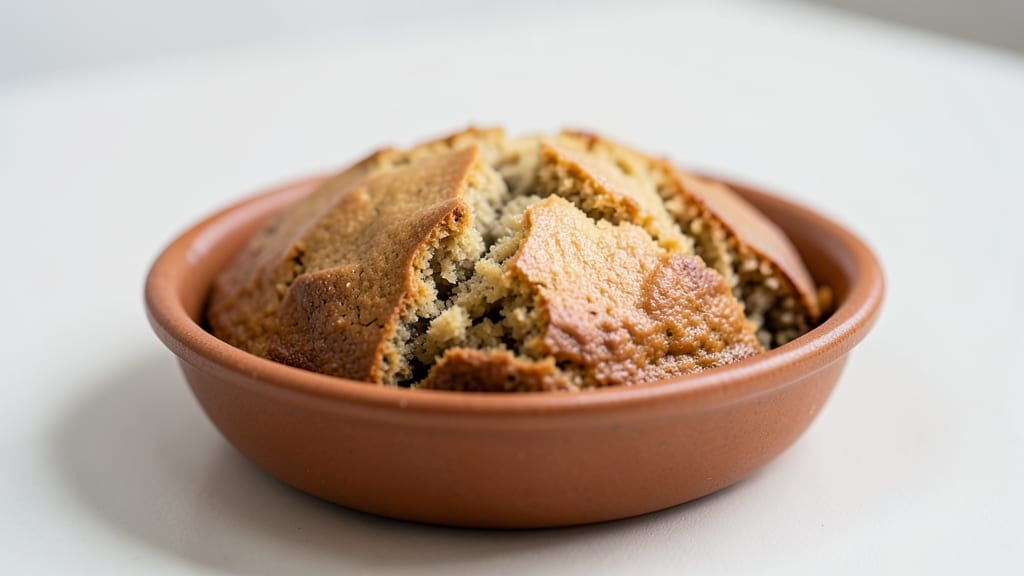
Martha Stewart’s banana bread recipe delivers that signature moist crumb and warm spice swirls that make every slice irresistible. The secret lies in ripe bananas, melted butter, and a precise balance of cinnamon and nutmeg that infuse every bite with homestyle comfort.
I’ve baked this version countless times—it’s the one that earns rave reviews and disappears faster than you can say "second slice."
What sets this recipe apart is the foolproof technique for achieving a tender, evenly moist loaf without drying out. The batter gets folded with a simple streusel mixture of brown sugar and spices, creating those signature swirls that make it look as good as it tastes.
With just one bowl and 30 minutes of active time, you’ll have a loaf ready for the oven—perfect for breakfast, dessert, or a thoughtful gift.
The result is a loaf with a golden crust, a soft, moist interior, and those fragrant cinnamon streaks throughout. The aroma alone will have your kitchen smelling like a bakery, while the texture stays tender for days when stored properly.
This is the banana bread recipe that finally convinced even the biggest skeptics—including my own family—to trade store-bought for homemade.
For extra indulgence, fold in chocolate chips or walnuts before baking. Serve warm with butter or as a snack with a cup of coffee. The instructions ahead will guide you through every step to ensure restaurant-quality results at home. Let’s get baking!
Ingredients for martha stewart banana bread
Ripe bananas, melted butter, and a precise spice blend create Martha Stewart’s legendary moist crumb.
| Ingredient | Amount | Notes |
|---|---|---|
| Ripe Bananas 🍌 | 3 medium | Dark speckled skins preferred |
| Unsalted Butter 🧈 | ½ cup | Melted, full-fat preferred |
| Granulated Sugar 🍚 | 1 cup | White or light brown |
| Light Brown Sugar 🍚 | ½ cup | Packed firmly, not loosely |
| Large Eggs 🥚 | 2 whole | Room temperature preferred |
| All-Purpose Flour 🌾 | 1 ½ cups | Sifted, spooned lightly |
| Baking Soda 🧂 | ½ tsp | Pure, not baking powder |
| Ground Cinnamon 🌿 | 1 ½ tsp | Freshly ground preferred |
| Ground Nutmeg 🍃 | ½ tsp | Freshly grated from nut |
| Salt 🧂 | ½ tsp | Diamond Crystal preferred |
| Vanilla Extract 🥛 | 1 tsp | Pure Madagascar preferred |
| Milk 🥛 | ½ cup | Whole or 2% preferred |
| Streusel Topping 🍞 | ½ cup | Mix of 0.25 cup brown sugar + 0.25 cup flour + 0.5 tsp cinnamon |
The bananas are non-negotiable—look for those with dark speckled skins and just a touch of give at the stem. Trader Joe's and local farmers markets often carry the ripest fruit, but grocery store bananas work if they're speckled. The butter should be unsalted and full-fat—melt it gently in a bowl over warm water to avoid overheating. For the sugars, light brown sugar packed firmly ensures proper moisture balance, while granulated sugar provides the right sweetness without heaviness. The spices? Penzeys or bulk bins for cinnamon and nutmeg guarantee freshness—ground spices lose potency quickly.
No ripe bananas? Overripe ones work best—mashed with a fork until smooth. Substitute the milk with buttermilk or yogurt for extra tang. The vanilla extract matters—pure Madagascar has the most complex flavor profile. For the streusel topping, if you're short on brown sugar, white sugar plus a pinch of cinnamon works in a pinch. The baking soda must be pure—never use baking powder as a substitute. And if you're worried about overmixing, trust the process: this batter is forgiving, but overmixing can lead to a tougher crumb.
Store the loaf in an airtight container at room temperature for up to 3 days, or refrigerate for 5 days. For longer storage, wrap tightly in plastic and freeze for up to 3 months. The streusel topping keeps its crunch best when stored separately and sprinkled just before serving. Slice with a serrated knife dipped in hot water for clean cuts. Leftovers? Toast slices for breakfast—they're even better the next day.
Why You'll Love This Recipe
- No-Bake Chaos Allowed: I swear by this recipe because it lets me use those slightly too ripe bananas before they turn to mush—no one judges if the loaf looks a little lopsided. The creamy butter and brown sugar combo makes up for any baking missteps, honestly.
- Sweet Spot Balance: That perfect mix of granulated and brown sugar? Chef’s kiss. The brown sugar keeps it moist while the granulated gives just enough snap, and the ripe bananas add natural sweetness without tasting like syrup. Even my picky nephew asks for seconds.
- Breakfast or Snack: Between us, this bread is my go-to for breakfast toast or a midday pick-me-up—slice it warm with a smear of butter, or pack it for lunch. It’s the kind of thing that works at 8 AM or 3 PM without needing a sidekick.
- Pantry Goldmine: I make a double batch and freeze half because the ingredients won’t break the bank (especially when you’re using up bananas). Plus, it reheats beautifully—just a quick zap in the microwave, and it’s like it was fresh-baked.
Step-by-step instructions for Martha Stewart's banana bread recipe
Here's the method that delivers Martha's signature moist crumb and aromatic spice swirls every time.
Prepare the Banana Mixture
Preheat your oven to 350°F and grease a 9x5-inch loaf pan with unsalted butter. In a medium bowl, mash the 3 medium ripe bananas until completely smooth—no lumps should remain. The mixture should be thick but pourable, with a vibrant yellow hue.
Add the 0.5 cup melted unsalted butter, 1 cup granulated sugar, and 0.5 cup packed light brown sugar to the bananas. Whisk vigorously for 1 minute until the sugars dissolve completely. This step ensures even distribution of moisture and sweetness throughout the bread.
In a separate small bowl, whisk together the 2 whole large eggs, 1 tsp vanilla extract, and 0.5 cup milk. Slowly pour this mixture into the banana-sugar blend while whisking continuously. The batter should begin to thicken noticeably as the eggs incorporate.
Combine Dry Ingredients and Fold Gently
In a large bowl, sift together the 1.5 cups all-purpose flour, 0.5 tsp baking soda, 1.5 tsp ground cinnamon, 0.5 tsp ground nutmeg, and 0.5 tsp salt. The sifting creates a light, airy texture that prevents dense crumb formation. Use a whisk to ensure all dry ingredients are thoroughly combined.
Gradually add the dry ingredients to the banana mixture in 3 additions, folding gently with a rubber spatula after each addition. Stop mixing as soon as the flour disappears—overmixing develops gluten and creates a tough crumb. The batter should be thick but still pourable, with visible streaks of flour.
Real talk: If the batter seems too thick, add 1-2 tablespoons milk to achieve proper consistency. The goal is a smooth, homogeneous batter that spreads easily in the pan without being runny.
Create the Spice Swirl Pattern
Pour half of the batter into the prepared loaf pan and spread it evenly with a spatula. This forms the base layer for the signature swirl pattern. Using a ¼-cup measuring cup, portion out ¼ cup of the remaining batter and place it in the center of the pan.
Sprinkle 1 tablespoon of the streusel topping over the center portion, then carefully tilt the pan to create gentle swirls. The streusel should be distributed evenly throughout the batter, creating visible ribbons when sliced. This technique ensures each bite contains both moist bread and crunchy streusel.
Finally, pour the remaining batter over the streusel, spreading it evenly to cover completely. The final layer should be level with the pan's edges. Tap the pan gently on the counter to release any air bubbles that may have formed during pouring.
Bake to Golden Perfection
Bake the banana bread for 50-60 minutes until a toothpick inserted in the center comes out clean and the top springs back when pressed gently. The bread is done when the edges pull away slightly from the pan and develop a golden brown hue.
I recommend checking for doneness at the 45-minute mark—your oven might run hot, so start checking early. The internal temperature should read 200-205°F when fully baked. If the top browns too quickly, tent loosely with aluminum foil after 30 minutes to prevent over-browning while maintaining moisture.
Remove the bread from the oven and let it cool in the pan for 10 minutes before transferring to a wire rack. This resting period allows the internal structure to set properly, preventing a crumbly texture. The bread will continue to firm up as it cools, making it easier to slice cleanly.
Serve and Store Properly
Slice the banana bread into ½-inch thick pieces using a serrated knife. The swirl pattern should be clearly visible in each slice, with alternating bands of moist crumb and streusel topping. Serve warm with a pat of butter or a drizzle of honey for enhanced flavor.
For maximum freshness, store wrapped tightly in plastic wrap at room temperature for up to 3 days. For longer storage, refrigerate for up to 1 week or freeze for up to 3 months. When reheating, wrap a slice in a damp paper towel and microwave for 10-15 seconds to restore moisture.
This method guarantees a banana bread with Martha Stewart's signature moist crumb and aromatic spice swirls that keep the bread interesting with every bite. The combination of warm spices and sweet streusel creates a perfect balance that makes this bread irresistible.
Pro Tips For Making Martha Stewart Banana Bread
- MASH THE BANANAS WELL: Grab a fork and really work those bananas—no lazy half-mashing here. The goal is a smooth, thick purée with no lumps, or your bread will turn out dense and uneven. I used to rush this, and the texture suffered. Take 30 seconds extra and do it right.
- SOFTEN THE BUTTER FIRST: Martha’s recipe calls for softened butter, but don’t just eyeball it—press your finger into the center. If it springs back, it’s too firm. If it leaves a dent, you’re good. Room-temperature butter mixes better and guarantees a tender crumb. (Yes, even if you’re impatient like me.)
- DON’T OVERMIX THE BATTER: Once you fold in the dry ingredients, stop when just combined. Overmixing develops gluten, and your banana bread will turn out tough instead of moist. Stir until the flour disappears—no more. I learned this the hard way after a batch that tasted like a brick.
- TEST DONENESS BY TOUCH: The toothpick trick works, but I prefer this: Gently press the center with a finger. If it springs back slowly, it’s done. If it leaves a deep imprint, bake another 5–10 minutes. Overbaking dries out the bread faster than you’d think. (Your future self will thank you.)
Wine and beer pairings for this martha stewart banana bread
Sweet Wine Pairings
Banana bread’s warm spices and caramelized sweetness pair beautifully with off-dry Riesling from Germany or Austria. Look for labels like Dr. Loosen Blue Slate or Chateau Ste. Michelle Riesling—their honeyed notes and subtle acidity cut through the richness while complementing the cinnamon and nutmeg.
Serve slightly chilled (50-55°F) to enhance the wine’s crispness and the bread’s moist texture. 🍷
Spiced Red Options
For a bolder contrast, try a Gewürztraminer from Alsace, France. The lychee and spice notes in wines like Trimbach Gewürztraminer mirror the banana bread’s cinnamon swirls. Alternatively, a Zinfandel with 13-15% ABV (like Ravenswood Old Vine) brings fruity depth that stands up to the streusel’s caramelized sugar.
Decant for 30 minutes to soften tannins.
Creamy Beer Matches
A Belgian Dubbel like Westmalle 8 offers malty sweetness and spiced complexity that rivals the bread’s flavors. The yeasty notes in this 7% ABV> beer balance the banana’s natural sweetness.
For a lighter option, try a honey wheat ale (like Allagash Honey Farmer)—its floral and citrusy profile refreshes the palate between bites. Serve both beer and bread at room temperature for optimal flavor.
Coffee or Tea Pairings
Skip the alcohol? A dark roast coffee with 1-2% oil content (like Peet’s Major Dickason’s Blend) enhances the bread’s caramelized notes. The bitterness in the coffee cleanses your palate, making each slice taste even more decadent.
For tea lovers, a spiced chai (like Tazo Chai Latte) mirrors the cinnamon and nutmeg flavors while adding warmth. Brew a strong cup to match the bread’s richness.
Seasonal Adaptations
In summer, swap wine for a sparkling rosé (like Whispering Angel)—its bubbles and berry notes refresh against the bread’s density. For winter, a Port-style ruby red (like Graham’s Six Grapes) adds a luscious, dessert-like finish that pairs perfectly with the streusel’s caramelized sugar.
Adjust serving temperatures seasonally: cooler in summer (45-50°F), slightly warmer in winter (55-60°F).
Nutrition facts
Frequently asked questions
Why does this banana bread recipe use both granulated and brown sugar?
The combination creates the perfect balance: granulated sugar dissolves quickly for even sweetness, while brown sugar adds moisture and caramelized depth. The 1 cup granulated provides crispness, and the 0.5 cup brown sugar ensures that signature tender crumb.
Can I substitute the streusel topping with something else?
Swap the streusel for chopped walnuts or pecans (add 1 cup to the batter), or try chocolate chips (use 1 cup semi-sweet). For a nut-free option, double the cinnamon in the streusel and add 1 tsp lemon zest for brightness. The key is maintaining the swirl technique for visual appeal.
What’s the best way to tell if my banana bread is fully baked?
Use the toothpick test: insert it into the center—it should come out clean or with just a few moist crumbs. The edges should also pull away slightly from the pan, and the internal temperature should read 200-205°F. If the top browns too fast, tent with foil after 30 minutes to prevent over-browning while keeping the crumb moist.
Why does my banana bread turn out dense or dry?
Overmixing develops gluten, making the crumb tough. Fold just until combined, and avoid adding extra flour. For dryness, ensure your bananas are ripe but not mushy—overripe bananas release excess liquid. Also, don’t overbake: pull it out when the toothpick test passes, as the bread continues to set while cooling.
How do I make this banana bread gluten-free?
Replace the 1.5 cups all-purpose flour with a 1:1 gluten-free baking flour blend (like Bob’s Red Mill). Add 0.5 tsp xanthan gum to mimic gluten’s structure. For best results, use a gluten-free measuring cup and let the batter rest for 10 minutes before baking to hydrate the blend properly. The texture will be slightly denser but still moist.