
Desserts
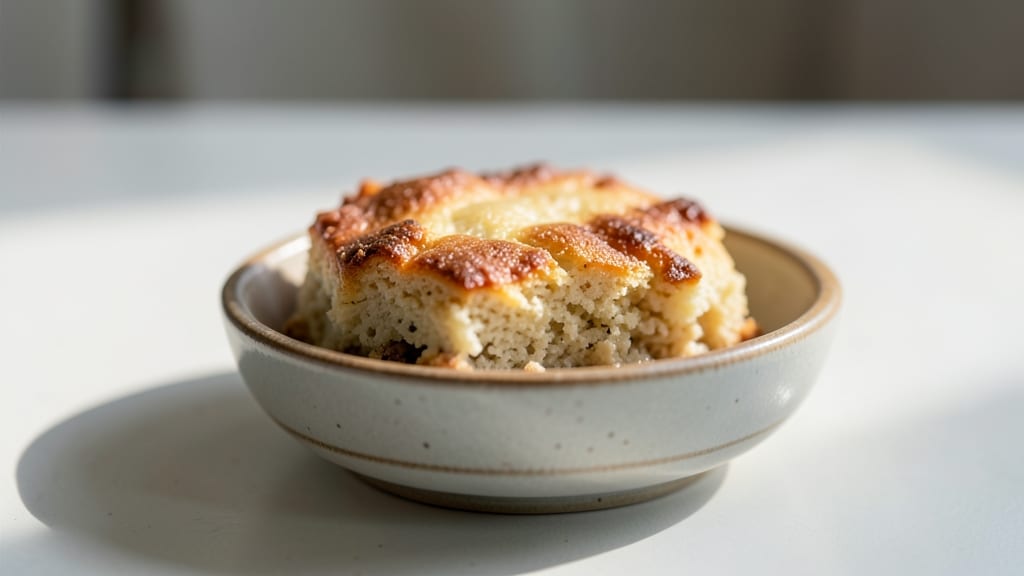
Martha Stewart’s bread pudding recipe transforms stale bread into a velvety, vanilla-infused custard with a golden, toasted crust that feels like a hug in dessert form.
The secret lies in soaking cubed bread just enough to absorb the custard without turning to mush, then baking until the edges caramelize into crispy perfection. I’ve perfected this version over years of testing—no dry bites, no soggy centers, just rich, comforting layers that taste like nostalgia and skill combined.
This recipe builds on Martha’s classic approach but includes a professional twist: a vanilla bean-infused custard that deepens the flavor without overpowering the bread’s natural toastiness.
The custard mixture—eggs, cream, milk, and a touch of sugar—creates that signature silky texture, while the toasted crust delivers the satisfying crunch that makes every bite irresistible. It’s the kind of dessert that feels both rustic and refined, perfect for family dinners or impressing guests.
By the time it emerges from the oven, your bread pudding will have a custardy center that’s rich and smooth, topped with a crispy, caramelized crust that holds its shape.
The vanilla infusion adds warmth, while the toasted edges provide contrast—each forkful balances texture and flavor in a way that feels like a well-executed symphony. Serve it warm with a scoop of vanilla ice cream or a drizzle of caramel for the ultimate indulgence.
Whether you’re recreating a childhood favorite or introducing bread pudding to new fans, this recipe delivers restaurant-quality results at home. The process is straightforward—soak, layer, bake—but the outcome is anything but basic. Let’s get started on creating a dessert that tastes like comfort and craftsmanship.
Ingredients for martha stewart bread pudding
Six eggs, two cups of cream, and a vanilla bean make this dessert taste like Martha's own kitchen.
| Ingredient | Amount | Notes |
|---|---|---|
| Stale Bread Loaves 🍞 | 2 whole | Day-old French or brioche preferred |
| Large Eggs 🥚 | 6 whole | Room temperature for best mixing |
| Heavy Whipping Cream 🥛 | 2 cups | Full-fat for richness (36% or higher) |
| Whole Milk 🥛 | 1 cup | Warmed slightly for better custard |
| Granulated Sugar 🍚 | 1 cup | Light brown sugar adds caramel notes |
| Vanilla Bean 🌿 | 1 whole | Scraped seeds plus pod for infusion |
| Unsalted Butter 🧈 | ½ cup | Cold, cubed for crust topping |
| Diamond Crystal Kosher Salt 🧂 | 1 tsp | Adjust to taste after initial seasoning |
| Ground Cinnamon 🌿 | 1 tsp | Freshly ground preferred |
| Ground Nutmeg 🌿 | ½ tsp | Freshly grated nutmeg better |
| All-Purpose Flour 🌾 | ¼ cup | For bread dusting to prevent sticking |
| Dark Brown Sugar 🍚 | ¼ cup | Packed for crust caramelization |
| Pure Vanilla Extract 🍯 | 1 tbsp | For extra depth if no vanilla bean |
The bread is non-negotiable—French or brioche gives the best texture, but challah or sourdough work too. I always grab day-old loaves from the bakery section—they're cheaper and perfect for this. If you're using a baguette, slice it into thick chunks (about 1-inch cubes) so the custard doesn't turn it to mush. The vanilla bean? Madagascar Bourbon from Penzeys is my go-to, but any quality bean works—just scrape those seeds like your life depends on it. Pro tip: save the pod and freeze it for future custards.
No vanilla bean? Pure vanilla extract plus a pinch of sugar mimics the depth, though it won't be as complex. The cream is where texture magic happens—heavy whipping cream at 36% fat gives that velvety finish, but half-and-half works if you're watching calories (though the crust won't be as rich). For the sugar, light brown sugar in the custard adds caramel notes, while the dark brown sugar on top ensures that caramelized crust. Swap the cinnamon for cardamom if you're feeling fancy—it pairs surprisingly well. And if you're out of nutmeg? Mace works in a pinch, but it's got a different vibe.
This custard is best made the night before—overnight in the fridge lets the flavors meld, and it reheats beautifully. For the crust, don't skip the cold butter cubes—they melt into golden pools while the custard stays creamy. Store leftovers in an airtight container for 3 days (if it lasts that long) or freeze portions for up to 2 months. Reheat covered at 350°F for 15 minutes—just until warmed through. The crust will crisp up again, so a quick broil at the end revives it perfectly.
Why You'll Love This Recipe
- No Waste, All Win: I swear by this trick—stale bread gets a second life instead of ending up in the trash. Just tear those crusty loaves into chunks, and boom, you’ve got a dessert that’s cheaper than buying anything store-bought.
- Creamy Dream Layers: That heavy whipping cream and whole milk combo? It turns the bread into a silky, custardy cloud. The sugar caramelizes just enough to give it a subtle sweetness that’s ridiculously satisfying—no one will guess it’s basically using up day-old bread.
- Sunday Morning Hero: Honestly, this is my go-to for brunch or a lazy weekend treat. Serve it warm with a scoop of vanilla ice cream, and suddenly you’re hosting a breakfast party without the stress. (Yes, even on a Tuesday night.)
- Budget Breakfast Hack: Between us, this is how I feed my family for less than $5. The eggs and milk make it rich without breaking the bank, and leftovers reheat perfectly—just add a splash of cream and zap it for 30 seconds. No sad, dry bread pudding here.
Step-by-step instructions for Martha Stewart's bread pudding
Here's how to transform stale loaves into a velvety custard with a caramelized crust that'll impress anyone.
Prepare the Vanilla Infusion and Custard Base
First, split the 1 whole vanilla bean lengthwise and scrape out the seeds using the back of a knife. Add both the scraped seeds and the empty pod to the 1 cup whole milk in a small saucepan. Heat over medium-low heat until the milk reaches 160°F—just until it begins to steam but doesn't boil. Remove from heat and let steep for 15 minutes while you prepare the rest. This infusion creates that signature Martha Stewart vanilla depth.
In a separate large mixing bowl, whisk together the 6 whole large eggs, 1 cup granulated sugar, 2 cups heavy whipping cream, and the infused milk. The mixture should be smooth but slightly thick—this is your custard foundation. I like to use a whisk here to avoid overmixing, which can make the final texture gummy. Add the 1 tbsp pure vanilla extract and mix just until combined. This is where the magic starts—the custard needs to be perfectly balanced for that silky texture later.
Cube and Prepare the Bread
Cut the 2 whole stale bread loaves into 1-inch cubes, discarding any hard crusts. The bread should be completely dry—if it feels damp, pat it with paper towels. This step is crucial because moisture in the bread can make your pudding dense instead of light. Transfer the cubes to a large bowl and toss them gently with the 0.25 cup all-purpose flour to prevent sticking during baking.
Here's the thing—don't skip the flour. It creates a natural barrier between the bread and the custard, which helps maintain that perfect texture. If you're using brioche, which is richer, you might want to toss the cubes with an extra 1 tablespoon flour to compensate for its natural moisture content. The bread should be evenly coated but not clumpy.
Combine Bread and Custard
Pour the custard mixture over the floured bread cubes, making sure each piece is fully coated. Let it sit for 10 minutes while you prepare your baking dish. This resting time allows the bread to absorb some of the liquid, which prevents a watery pudding. Use your hands to gently fold everything together—you'll see the bread softening slightly as it soaks up the custard.
Transfer the mixture to a 9x13-inch baking dish, spreading it evenly. The top should look slightly uneven—that's perfect. Sprinkle the 0.25 cup dark brown sugar and 0.5 cup unsalted butter (cubed) evenly over the top. The butter will melt and create that irresistible caramelized crust, while the brown sugar adds a subtle caramel note that balances the custard's richness.
Bake to Golden Perfection
Preheat your oven to 350°F. Place the baking dish on the middle rack and bake for 45-50 minutes. You're looking for a deep golden brown crust with a slight crackling texture on top. The edges should pull away from the pan just slightly when you gently tug them. If the top isn't browning enough after 40 minutes, broil for 2-3 minutes at the end—just watch it closely to avoid burning.
Here's where patience pays off: the pudding is done when the center is just set but still slightly wobbly. Insert a knife near the center—it should come out clean but leave a faint custard trail. If it's completely dry, you've overbaked it. Let the pudding rest for 10 minutes before serving. This resting period allows the custard to fully set and makes slicing much easier.
Serve Warm with Toasted Crust
While the pudding rests, toast any additional bread cubes in a dry skillet over medium heat until golden. These crispy cubes make an excellent garnish and add texture contrast. Serve the bread pudding warm, topped with the toasted cubes and a dusting of 1 tsp ground cinnamon and 0.5 tsp ground nutmeg. The spices add warmth that complements the vanilla beautifully.
For extra drama, drizzle with a simple caramel sauce made by melting 2 tablespoons butter with 1 tablespoon brown sugar in a small saucepan. Let it cool slightly before drizzling over the top. This dish tastes best within 2 hours of baking, so don't wait to serve—everyone will be asking for seconds.
Pro Tips For Making Martha Stewart Bread Pudding
- Cube Bread Evenly: Use a serrated knife and cut the bread into 1-inch cubes—any smaller and they’ll turn to mush, any bigger and they’ll stay dry. I learned this the hard way after pulling apart a lumpy pudding that looked more like bread soup than dessert.
- Whisk Eggs Cold: Chill the eggs and milk mixture in the fridge for 10 minutes before pouring over the bread—this prevents the eggs from cooking too fast and turning rubbery. Sounds fussy, but it’s the thing that keeps the custard silky.
- Skip the Overmixing: Stir just until the bread is barely coated—lumpy is fine, smooth is overworked. I used to beat the custard until it looked like paint, and it always came out dense. Let the oven do the blending.
- Cover with Foil Early: Tent the pudding with foil at 325°F for the first 30 minutes—this traps steam and keeps the top from drying out before the center sets. After that, uncover for a golden crust, but don’t rush it.
Pro cooking tips for this dish
Vanilla Infusion Mastery
Split the vanilla bean lengthwise and scrape out those tiny seeds with the back of a knife—don’t rush this part. Add both seeds and the empty pod to 1 cup warm milk (heated to 160°F) and steep for 15 minutes.
This step unlocks Martha’s signature depth—Madagascar Bourbon vanilla beans from Penzeys deliver the most complex flavor, but any quality bean works. Skip the extract here; the pod’s natural oils infuse the milk with layers of aroma that pure extract can’t match. 🌿
Perfect Custard Balance
Whisk the eggs, sugar, cream, and infused milk gently—overmixing introduces air bubbles that can make your pudding gummy. Use a whisk for 2-3 minutes until just combined, then fold in the vanilla extract. The custard should coat the back of a spoon but still glide smoothly.
I’ve ruined batches by adding too much flour or sugar; taste the mixture before combining with bread to ensure it’s perfectly balanced. A pinch of salt here enhances all flavors.
Bread Soaking Secrets
Let the bread cubes soak in the custard for exactly 10 minutes—no more, no less. This resting time lets the bread absorb just enough liquid to soften without turning to mush. Use your hands to gently fold the mixture; you’ll feel the cubes begin to plump slightly.
For extra insurance, toss brioche cubes with an additional 1 tablespoon flour—their richness can make them absorb custard too quickly. The goal is even saturation, not a waterlogged center.
Crust Perfection Timing
Sprinkle the dark brown sugar and cold butter cubes over the top immediately after transferring to the baking dish. The butter needs to be cold so it melts slowly, creating pools of caramel while the custard below stays creamy.
Bake at 350°F for 45-50 minutes, then broil for 2-3 minutes only if the top isn’t golden. Watch closely—over-browning turns the crust bitter. The pudding is done when a knife inserted near the center comes out clean but leaves a faint custard trail. 🔥
Resting for Texture
Never skip the 10-minute rest after baking. This crucial step lets the custard set properly and makes slicing effortless. The internal temperature should be 160°F—use an instant-read thermometer to avoid guesswork. Serve warm with toasted bread cubes on top; their crispness contrasts beautifully with the creamy center.
For extra elegance, drizzle with homemade caramel sauce (melt 2 tbsp butter with 1 tbsp brown sugar) just before serving.
Equipment Essentials
Invest in a 9x13-inch dark metal baking dish—it conducts heat better than glass and promotes even browning. A whisk (not a mixer) prevents overmixing, and a fine-mesh sieve helps dust with spices evenly. For vanilla infusion, a small saucepan with medium-low heat control is key.
And always use room-temperature eggs—they blend more smoothly into the custard. These tools make the difference between good and restaurant-quality bread pudding. ✨
Nutrition facts
Frequently asked questions
Can I use fresh bread instead of stale bread for this recipe?
The recipe specifically calls for stale bread to achieve the perfect texture, but if you must use fresh bread, let it sit uncovered at room temperature for 2-3 hours first. This helps dry out the moisture. For best results, use day-old bread from the bakery—it's already slightly stale and perfect for this dessert. Fresh bread will make your pudding denser and less custardy.
How do I know when the bread pudding is fully baked?
The pudding is done when the edges are golden brown and a knife inserted near the center comes out clean but leaves a faint custard trail. The internal temperature should reach 160°F. If the top isn't browning enough after 40 minutes, broil for 2-3 minutes at the very end—just watch closely to avoid burning. Never overbake, or the custard will turn dry.
Can I make this bread pudding ahead of time?
This dessert actually tastes even better the next day. Bake it as directed, then refrigerate in an airtight container for up to 3 days. Reheat covered at 350°F for 15 minutes, then broil for 1-2 minutes to revive the crust. For longer storage, freeze portions for up to 2 months—thaw overnight in the fridge before reheating.
What can I substitute if I don't have vanilla bean?
Use 1 tablespoon pure vanilla extract plus 1 teaspoon sugar to mimic the depth of a vanilla bean. For extra richness, add a pinch of ground cardamom—it pairs beautifully with vanilla and adds complexity. The vanilla infusion is key for Martha's signature flavor, so don't skip it entirely if possible. A high-quality extract works best.
Why did my bread pudding turn out too dense?
Over-soaking the bread or using fresh bread (instead of stale) are the most common causes. Make sure to cube the bread into 1-inch pieces and let it soak for only 10 minutes—no longer. Also, avoid overmixing the custard, and use room-temperature eggs for a smoother texture. If your bread is particularly moist (like brioche), toss the cubes with an extra 1 tablespoon flour before combining with the custard.