
Breakfast & Brunch
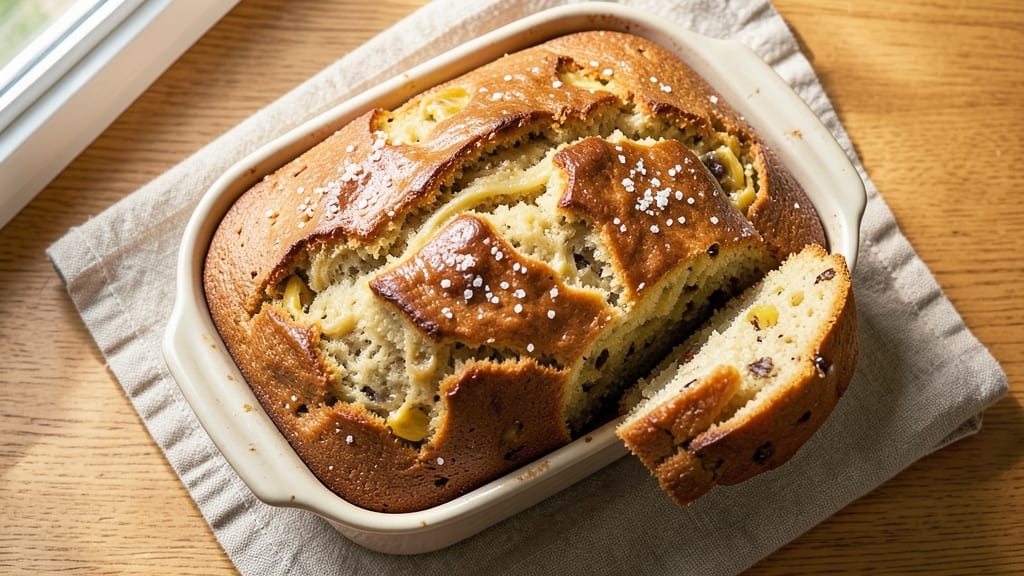
Martha Stewart's banana bread recipe delivers that legendary moist crumb and walnut swirl that makes every slice irresistible. The secret lies in precise ingredient ratios and a gentle mixing technique that creates a tender, cake-like texture rather than a dense loaf.
I’ve baked this version dozens of times—it’s the one that finally convinced my skeptical family to request banana bread over store-bought any day.
This recipe relies on ripe bananas for natural sweetness and a perfect balance of flour, sugar, and leavening agents to achieve that signature moistness. Martha’s signature walnut swirl adds crunch and richness, while a light streusel topping ensures a golden, crisp crust.
The result? A loaf so tender it practically melts in your mouth, with just enough structure to hold its shape.
Baking at 350°F for 50-60 minutes ensures even cooking, while the internal thermometer check guarantees a perfectly set center. The walnut swirl stays distinct, creating pockets of flavor in every bite.
Whether served warm with butter or as a snack later in the day, this banana bread delivers restaurant-quality results at home.
For those with dietary preferences, substitutions like almond flour or gluten-free blends work well—just adjust the liquid slightly for best texture. Store wrapped at room temperature for up to 3 days or freeze for longer shelf life. Let’s get baking!
Ingredients for martha stewart's banana bread
Martha Stewart's legendary banana bread relies on ripe bananas, precise sugar ratios, and walnut swirl for signature texture.
| Ingredient | Amount | Notes |
|---|---|---|
| Ripe Bananas 🍌 | 3 medium | Mashed to 1.5 cups total |
| All-Purpose Flour 🌾 | 2 ½ cups | Sifted for best texture |
| Granulated Sugar 🍚 | 1 cup | Light brown preferred |
| Packed Brown Sugar 🍚 | ½ cup | Dark brown preferred |
| Unsalted Butter 🧈 | ½ cup | Room temperature, full-fat |
| Large Eggs 🥚 | 2 whole | Room temperature |
| Pure Vanilla Extract 🌿 | 2 tsp | High-quality preferred |
| Baking Soda 🧂 | 1 tsp | Pure, not baking powder |
| Salt 🧂 | ½ tsp | Diamond Crystal preferred |
| Chopped Walnuts 🌰 | 1 ½ cups | Toasted for enhanced flavor |
| Unsalted Butter 🧈 | ¼ cup | Cold, for streusel |
| Packed Brown Sugar 🍚 | ¼ cup | For streusel topping |
| All-Purpose Flour 🌾 | ¼ cup | For streusel topping |
| Ground Cinnamon 🌶️ | ½ tsp | Freshly ground preferred |
The bananas are non-negotiable—ripe to the point of spotting ensures maximum sweetness and moisture. Trader Joe's and Whole Foods often have perfect ones, but check your local market's produce section for soft, fragrant bananas. The walnuts should be raw and toasted for optimal crunch; Costco sells them in bulk at excellent prices. For the sugars, light brown sugar adds subtle molasses notes while dark brown deepens the caramel flavor. Use Diamond Crystal kosher salt
No ripe bananas? Substitute 1 cup mashed frozen bananas (thawed) or 1/2 cup banana puree from a can, but add 1 extra tbsp of liquid to compensate. Short on walnuts? Pecans or hazelnuts work equally well, though texture varies slightly. For a gluten-free version, replace the all-purpose flour with Bob's Red Mill 1:1 gluten-free blend, but increase the liquid by 2 tbsp. The streusel topping can be made ahead—just store it in the fridge until ready to use. If you prefer a sweeter loaf, add 1 tbsp of honey to the batter. This banana bread stays fresh for 3-4 days when wrapped tightly at room temperature, but it's best enjoyed within 2 days for peak moisture. For longer storage, slice and freeze individual portions on a tray before transferring to a bag—up to 3 months. The streusel topping can be prepped and refrigerated separately for 1 week. To reheat, wrap slices in a damp paper towel and microwave for 15-20 seconds for that fresh-baked warmth. Always use a light-colored loaf pan for even baking and easier release.
Why You'll Love This Recipe
- No-Fuss Mix-In: I swear by this recipe because it’s the kind of thing you can measure while watching TV—no food processor, no fancy techniques. Just mash those bananas (the riper, the better, trust me), fold in the flour and sugars, and let the butter do its magic. It’s the kind of baking that doesn’t demand your full attention, yet still delivers.
- Buttery Sweet Magic: That perfect balance of brown sugar’s caramel depth and granulated sugar’s crispness? It’s what makes this bread ridiculously good. And don’t skip the butter—creamed into the sugars, it creates this tender crumb that’s almost too good to slice. Honestly, the first bite makes me want to bake another loaf immediately.
- Breakfast to Dessert: Here’s what sold me—this bread works everywhere. Toast a slice for breakfast with peanut butter, pack it in lunches, or serve it warm with ice cream for dessert. (Yes, even on a Tuesday night.) The versatility keeps it from feeling like a one-trick pony, and the flavor holds up no matter how you serve it.
- Leftovers That Last: Between us, this recipe actually makes two loaves if you’re not careful, and they stay fresh for days. Freeze a slice for a quick snack later, or stash half in the fridge for when you’re too tired to bake. It’s my go-to for using up overripe bananas, and the cost? A fraction of what store-bought loaves run. Practical, reliable, and always a win.
Step-by-step instructions for Martha Stewart's banana bread recipe
Here's the method for achieving that signature Martha Stewart moist crumb and walnut swirl.
Prepare the Banana and Wet Ingredients
Begin by mashing the 3 medium ripe bananas until smooth, yielding about 1.5 cups of mashed banana. I like to use a potato masher for this—it creates just the right texture without over-mixing. Transfer the mashed banana to a large mixing bowl and set aside.
In a separate small bowl, whisk together the 0.5 cup unsalted butter (room temperature) with both sugars: 1 cup granulated sugar and 0.5 cup packed brown sugar. This creates a smooth base that will blend seamlessly with the bananas. Add the 2 whole large eggs (room temperature) one at a time, whisking vigorously after each addition until fully incorporated. The mixture should be pale and slightly thickened.
Stir in the 2 teaspoons pure vanilla extract and 0.5 teaspoon salt. This is where the flavor foundation takes shape—don't rush this step. The vanilla will infuse completely, and the salt will balance the sweetness as we proceed. The mixture should now have a rich, caramel-like aroma with visible ribbons when stirred.
Combine Dry Ingredients and Fold in Walnuts
In a medium bowl, sift together the 2.5 cups all-purpose flour and 1 teaspoon baking soda. This sifting step prevents lumps and ensures an even distribution of leavening throughout the batter. Gently fold the dry ingredients into the wet mixture using a spatula, mixing just until combined. You should still see some flour streaks—overmixing develops gluten and can make the bread dense.
Fold in the 1.5 cups chopped walnuts, reserving about 2 tablespoons for the streusel topping. I like to distribute them evenly throughout the batter, but a few clusters are fine—they'll create delightful pockets of texture. The walnuts should be toasted beforehand for enhanced flavor, but if using raw, toast them now in a dry skillet over medium heat for 3-4 minutes until fragrant.
This is where the magic begins—the walnuts will add both moisture and crunch, while the baking soda ensures a light, airy crumb. The batter should be thick but pourable, with a consistency similar to thick pancake batter. If it seems too stiff, add 1-2 tablespoons of milk (though we're not using milk in this recipe, the principle applies).
Prepare the Walnut Streusel Topping
In a small bowl, combine the 0.25 cup unsalted butter (cold), 0.25 cup packed brown sugar, 0.25 cup all-purpose flour, and 0.5 teaspoon ground cinnamon. Use your fingers or a pastry cutter to work the butter into the dry ingredients until the mixture resembles coarse crumbs with some pea-sized butter pieces remaining. This texture is crucial—it creates that signature crunchy streusel without becoming a dense topping.
Fold in the reserved 2 tablespoons chopped walnuts. The streusel should hold its shape when pressed but still be crumbly. If it feels too wet, add 1-2 teaspoons more flour; if too dry, add a pinch more butter. The streusel should smell sweetly of cinnamon and toasted nuts—this is your quality check.
Assemble and Bake for Moist Perfection
Preheat your oven to 350°F and grease a 9x5-inch loaf pan thoroughly with butter or line it with parchment paper. Pour the banana batter into the prepared pan and smooth the top with a spatula. Sprinkle the walnut streusel evenly over the batter, pressing down gently to ensure good contact. This step is critical for achieving that characteristic streusel pattern and ensuring the topping browns properly.
Bake for 50-60 minutes, or until a toothpick inserted into the center comes out clean. The bread is done when the top is golden brown and the edges pull away slightly from the pan. I find that starting at the 50-minute mark and checking every 5 minutes works best—ovens vary, and you want to avoid overbaking, which can dry out the bread.
During the final 10 minutes of baking, the bread should develop a rich caramel aroma. If the top browns too quickly, tent loosely with aluminum foil. The internal temperature should reach 190-195°F. Remove from the oven and let cool in the pan for 10 minutes before transferring to a wire rack to cool completely. This resting period allows the moisture to redistribute, ensuring that signature Martha Stewart moist crumb throughout.
Pro Tips For Making Martha Stewart'S Banana Bread
- Mash Bananas Thoroughly: I learned this the hard way—lumpy banana purée means uneven texture. Use a fork first, then a potato masher or wooden spoon to break up every last speck of banana before mixing. No food processor? A fork and elbow grease work, but you’ll need to press hard through those spots where the banana clings to the bowl.
- Weigh Your Butter: Martha’s recipe calls for "softened" butter, but that’s vague. Instead of eyeballing it, measure by weight: ½ cup (1 stick) of unsalted butter should be about 113 grams. If it’s too soft, chill it 10 minutes before creaming—this prevents a greasy, dense loaf. (Yes, even if you’re impatient like me.)
- Skip Overmixing the Batter: The moment flour and wet ingredients meet, stop stirring after just 10-12 turns. Overmixing develops gluten, and that’s how you end up with a tough, cake-like banana bread instead of the tender, moist loaf Martha’s version should be. Fold in the flour until just combined—no streaks, no overworking.
- Test for Doneness Early: Banana bread’s done when the top springs back when pressed and the internal temp hits 205–210°F. If you wait for the toothpick test (clean or not), you’ve likely overbaked it. The edges will pull away from the pan, and the center might dry out. Pull it out at 200°F and let it rest 5 minutes—it’ll keep cooking off the heat.
Perfect pairings for this martha stewart's banana bread
Morning Coffee Pairings
Start your day with a slice of this banana bread alongside a cup of lightly roasted coffee—I love Death Wish Coffee for its smooth, medium roast that complements the bread’s caramel notes without overpowering the walnuts.
For a creamier experience, try Starbucks Cinnamon Dolce Latte, where the cinnamon echoes the streusel’s warmth and the sweetness balances the bread’s natural fruitiness. 💛
Afternoon Tea Spread
Transform your afternoon tea into a sophisticated spread by pairing banana bread with Earl Grey tea—the bergamot’s citrus notes cut through the richness beautifully. Add a dollop of clotted cream and a smear of Lyle’s Golden Syrup for that quintessential British tea experience.
For a modern twist, serve with chilled hibiscus iced tea during summer months to refresh the palate.
Dessert Wine Pairings
For an evening dessert, pair this banana bread with Moscato d’Asti—its light effervescence and honeyed sweetness mirror the bread’s caramelized walnuts. A Riesling Kabinett from Germany offers a crisp acidity that cleanses the palate between bites.
Avoid heavy dessert wines like Port; they’ll clash with the bread’s delicate texture and bright banana flavor.
Breakfast Pairings
Elevate your breakfast by serving banana bread with Greek yogurt and a drizzle of local honey—the tangy yogurt contrasts the bread’s sweetness, while the honey adds floral depth. For a heartier option, pair with scrambled eggs and crispy bacon to create a satisfying brunch.
The walnuts add a satisfying crunch to balance the soft eggs and buttery bread.
Creamy Cheese Pairings
Spread a slice with cream cheese mixed with a touch of vanilla extract and a pinch of cinnamon for a sweet-savory twist. For a sharper contrast, try aged cheddar—the saltiness enhances the bread’s natural sweetness.
I also love pairing it with brie during holiday gatherings; the creamy cheese melts beautifully into the warm bread. 🧀
Seasonal Adaptations
In summer, serve chilled banana bread with vanilla bean ice cream for a no-bake dessert. During fall, pair with spiced apple cider and a sprinkle of pumpkin spice on top.
For winter, warm the bread slightly and serve with hot chocolate and a dusting of powdered sugar for a cozy treat. Each season brings out different flavors in this versatile loaf.
Nutrition facts
Frequently asked questions
Why does Martha Stewart's banana bread turn out so moist compared to other recipes?
The secret lies in the precise ratio of ingredients and technique. Using ripe bananas (with brown spots) maximizes natural sweetness and moisture, while the combination of brown sugar and butter creates a tender crumb. The recipe avoids overmixing to prevent gluten development, which keeps the texture light and airy rather than dense. The walnut streusel also traps steam during baking, preserving moisture in the crumb.
Can I make this banana bread without walnuts?
Simply omit the walnuts from both the batter and streusel topping. For extra flavor, try substituting with pecans, hazelnuts, or even chopped chocolate chips (use 1 cup total). The recipe will still yield a moist loaf, though the texture will be slightly different without the nuts' crunch. If you prefer a nut-free version, skip the streusel walnuts entirely.
What's the best way to tell when this banana bread is fully baked?
Use the toothpick test: Insert a toothpick into the center—it should come out clean or with just a few moist crumbs. The bread is also done when the top is golden brown and the edges pull away slightly from the pan. For extra accuracy, use an instant-read thermometer—the internal temperature should reach 190-195°F. Overbaking can dry out the bread, so start checking at 50 minutes if your oven runs hot.
How do I store banana bread to keep it fresh longer?
Wrap the cooled loaf tightly in plastic wrap or aluminum foil and store at room temperature for up to 3-4 days. For longer storage, slice the bread and freeze individual portions on a tray before transferring to a freezer bag (up to 3 months). To reheat, wrap slices in a damp paper towel and microwave for 15-20 seconds for fresh-baked warmth. Avoid refrigerating—it can make the bread dry out faster.
Can I make this recipe gluten-free?
Yes, but with adjustments. Replace the 2.5 cups all-purpose flour with a 1:1 gluten-free baking flour blend (like Bob's Red Mill) and increase the liquid by 2 tablespoons (e.g., add 2 tbsp milk or water to the wet ingredients). The baking soda and salt ratios remain the same. For the streusel, use a gluten-free flour blend as well. The texture will be slightly denser but still moist. Test with a small batch first to adjust consistency.