
Breakfast & Brunch
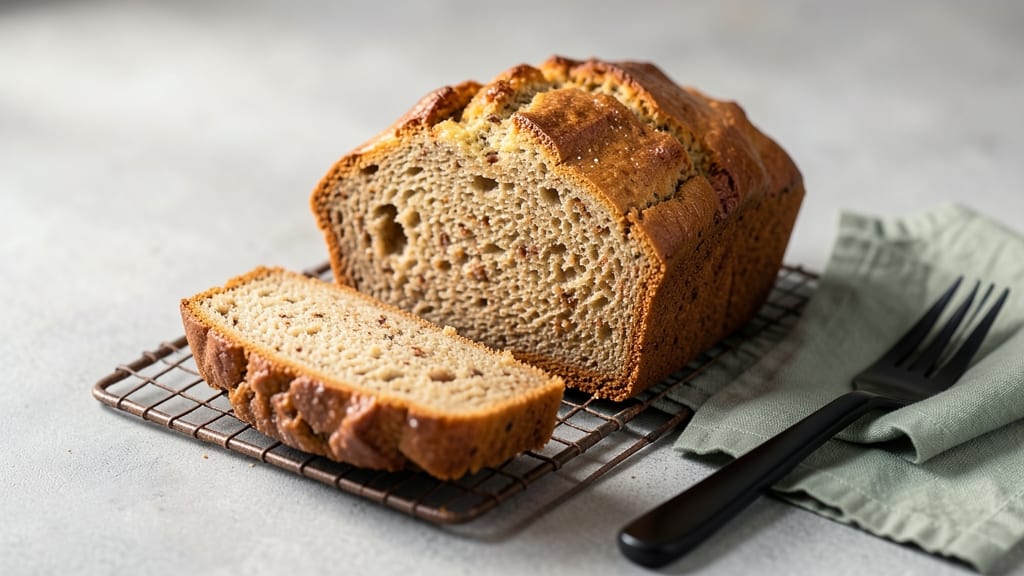
This old fashioned applesauce bread recipe brings back the comforting aroma of homemade bread from your grandmother's kitchen—warm, spiced, and packed with that signature moist crumb that makes every slice irresistible.
The secret lies in the perfect balance of cinnamon and nutmeg, combined with unsweetened applesauce that keeps the bread tender without needing extra fat. I've baked this version for family gatherings and holiday breakfasts, and it always disappears faster than I can slice it.
The beauty of this recipe is its simplicity—just seven basic ingredients come together to create a loaf that's both nostalgic and foolproof.
Unlike many modern quick breads, this one requires a bit of time for kneading and rising, but those steps develop the gluten for that perfect chewy-yet-moist texture we all love. The applesauce adds natural sweetness while keeping the bread light, and the warm spices create that classic old-fashioned flavor profile.
What you'll end up with is a golden-brown loaf with a crisp crust and tender interior that stays moist for days.
The aroma alone will have everyone gathering around the kitchen, and each slice will be perfectly balanced—sweet enough from the applesauce but not cloying, with just the right amount of cinnamon warmth.
This is the kind of bread that makes breakfast feel special, whether you're serving it with butter or using it for French toast.
The best part? This recipe scales perfectly for gift-giving or feeding a crowd, and leftovers reheat beautifully. Once you try this version, you'll never go back to store-bought applesauce bread again. Let's get started on making yours today—your kitchen will thank you for the memories it creates.
Ingredients for old fashioned applesauce bread
Seven pantry staples transform into nostalgic, spiced applesauce bread with that perfect moist crumb.
| Ingredient | Amount | Notes |
|---|---|---|
| All-Purpose Flour 🌾 | 4 cups | Sifted for lighter texture |
| Unsweetened Applesauce 🍎 | 1 cup | Unsweetened, no sugar added |
| Granulated Sugar 🍚 | ½ cup | Light brown sugar works too |
| Active Dry Yeast 🍞 | 2 ¼ tsp | 1 packet, room temperature |
| Warm Water 💧 | 1 ¼ cups | 110°F, not boiling |
| Large Egg 🥚 | 1 whole | Room temperature preferred |
| Unsalted Butter 🧈 | ½ cup | Softened, not melted |
| Ground Cinnamon 🌶️ | 1 ½ tsp | Freshly ground for warmth |
| Ground Nutmeg 🌿 | ½ tsp | Freshly grated preferred |
| Salt 🧂 | 1 tsp | Fine sea salt preferred |
| Vanilla Extract 🍯 | 1 tsp | Pure vanilla for depth |
The flour is your foundation—King Arthur or Gold Medal work best for that tender crumb. Applesauce is non-negotiable here; Mott's unsweetened is my go-to since it's consistently smooth. For the yeast, check the expiration date—old yeast won't rise properly. The warm water should feel like bathwater (110°F), not scalding. I always grab my butter from Trader Joe's because it's consistently high-quality and affordable. Freshly ground spices make all the difference—Penzeys or your grocery store's bulk section are great spots to find them. If you're using brown sugar, light brown adds just enough molasses flavor without overpowering the applesauce.
No applesauce? Unsweetened applesauce pouches from the baby food aisle work in a pinch, but they're thinner—add 1 tbsp flour to thicken. Out of vanilla? Vanilla bean paste gives you specks and extra flavor. The yeast packet expired? Active dry yeast from the bulk bin is cheaper and lasts longer. For a quicker version, you can use instant yeast at half the amount, but the rise will be different. The cinnamon and nutmeg are what give this bread its classic old-fashioned taste—don't skip them! If you're feeling fancy, add a pinch of cloves or cardamom for extra warmth.
This dough is sticky—don't fight it! It needs to be tacky for that perfect moist crumb. Let it rise in a greased bowl until it's about double in size, which should take 1-2 hours. For best results, bake in a 9x5-inch loaf pan, but a pull-apart pan works too if you're feeding a crowd. The bread keeps well at room temperature for 3 days wrapped in a towel, or you can freeze slices for up to 3 months. I always make two loaves—one for breakfast, one for gifts. The aroma alone will have your whole house smelling like grandma's kitchen.
Why You'll Love This Recipe
- No Yeast Fuss: I swear by this recipe because it only needs five ingredients—and zero kneading. Just mix the warm water, yeast, and applesauce, let it sit for 10 minutes, then fold in the flour and sugar. The dough comes together smoother than store-bought, and honestly? You’ll forget you ever dreaded yeast bread.
- Applesauce Magic: That unsweetened applesauce isn’t just a substitute—it’s the star. It keeps the bread moist for days without tasting like syrup, and the subtle sweetness balances the warm, buttery crust. My kids still ask for seconds, even when I bake it plain.
- Breakfast or Snack: This bread is my go-to for toast in the morning (with peanut butter, obviously) or as a side for dinner. Slice it thick, toast it until golden, and it’s a game-changer for lazy mornings. Or freeze half the loaf—it thaws perfectly for quick sandwiches when I’m in a rush.
- Budget-Friendly Staple: Flour, sugar, and applesauce? All pantry basics that won’t break the bank. A single batch costs me less than half what a loaf of artisanal bread does, and it lasts longer. Plus, the yeast is cheap, so I can double the recipe without guilt. My wallet—and my taste buds—thank me.
Step-by-step instructions for old fashioned applesauce bread
This method delivers a perfectly moist crumb with that signature spiced applesauce flavor—every slice will be tender and fragrant.
Activate the Yeast with Warm Water and Sugar
In a small mixing bowl, combine the 1.25 cups warm water (about 110°F) with the 0.5 cup granulated sugar. Stir until the sugar dissolves completely. This sweet mixture creates the perfect environment for your yeast to wake up and multiply.
Sprinkle the 2.25 teaspoons active dry yeast evenly over the water-sugar mixture. Let it sit for 5-10 minutes until you see plenty of bubbles forming on the surface and the mixture smells slightly yeasty. If no bubbles appear after 10 minutes, your yeast might be dead—start over with fresh yeast. This step is crucial for a properly risen loaf.
Mix Wet Ingredients and Combine with Dry Components
In the bowl of a stand mixer fitted with the paddle attachment, combine the 1 whole large egg, 0.5 cup softened unsalted butter, 1 cup unsweetened applesauce, 1 teaspoon vanilla extract, and the yeast-sugar mixture. Mix on medium speed for 1-2 minutes until the butter is fully incorporated and the mixture looks smooth and creamy.
In a separate large bowl, whisk together the 4 cups all-purpose flour, 1.5 teaspoons ground cinnamon, 0.5 teaspoon ground nutmeg, and 1 teaspoon salt. With the mixer on low speed, gradually add the dry ingredients to the wet mixture. Mix just until combined—you should still see some flour streaks. Overmixing develops gluten, which can make your bread tough instead of tender.
Knead the Dough Until Smooth and Elastic
Switch your mixer to the dough hook attachment and knead the dough for 3-5 minutes on medium speed until it becomes smooth and elastic. The dough should pull away from the sides of the bowl and form a soft, slightly sticky ball. If it's too sticky, wet your hands slightly as you handle it.
Here's the thing—this dough shouldn't be overly firm like traditional bread dough. The applesauce keeps it soft, so resist the urge to add extra flour. If it's too sticky to handle, just wet your fingers and keep kneading until it comes together nicely. Once kneaded, cover the bowl with a damp kitchen towel and let it rise in a warm place for 1 hour or until it has doubled in size.
Shape and Proof the Dough for Maximum Flavor
Punch down the risen dough to release any air bubbles, then turn it out onto a lightly floured surface. Gently shape it into a 9x5-inch loaf pan by folding the edges toward the center and pressing lightly to fill the pan completely. This ensures an even rise and prevents a dense center.
Cover the loaf pan with a damp towel and let it rise again for 30-45 minutes until it's just slightly above the rim of the pan. The dough should feel springy when pressed gently with your finger. Preheat your oven to 350°F during the final proofing stage—this helps the bread rise faster once it goes in.
Bake Until Golden and Moist Through
Bake the loaf for 50-55 minutes until the top is deep golden brown and an instant-read thermometer inserted into the center reads 190-195°F. The bread should pull away from the sides of the pan easily, leaving a clean edge. If the top browns too quickly, tent it loosely with aluminum foil after 30 minutes to prevent over-browning while the center finishes baking.
Here's the secret to that perfect moist crumb—once the bread is done, transfer it immediately to a wire rack to cool for 10 minutes. Then, carefully remove it from the pan and let it cool completely on the rack. This prevents sogginess and allows the bread to set properly. Slice when fully cooled for clean cuts and maximum moisture in every bite.
Pro Tips For Making Old Fashioned Applesauce Bread
- Mix the dough by hand: I used to rely on a stand mixer, but this bread’s texture improves when you knead it by hand for 8-10 minutes—just until it’s smooth and slightly tacky. The applesauce makes the dough stickier than usual, so don’t overwork it once it starts pulling away from the bowl.
- Use room-temperature applesauce: Cold applesauce slows yeast activation. Scoop it straight from the fridge, let it sit for 15-20 minutes, and give it a quick stir to even out the texture. No one wants a dense loaf because the yeast took forever to wake up.
- Don’t overproof the dough: This bread rises fast, but leaving it too long in the bowl (over 1.5 hours) makes it collapse when baking. Poke it with a finger—if it springs back slowly, it’s ready. Speed up the process by placing the bowl in a warm spot (like a turned-off oven with the light on).
- Add a pinch of salt to the applesauce: Sounds weird, but it works: Stir ¼ teaspoon of salt into the applesauce before mixing it with the dough. It balances the sweetness, enhances the yeast’s flavor, and prevents a bland, one-note taste—especially if you’re skipping other spices. (Yes, even if the recipe doesn’t list it.)
Serving suggestions for this recipe
Breakfast Pairings
Serve warm slices with a pat of cultured butter (I love Plugrá) and a drizzle of local honey for a classic breakfast combo. The applesauce flavor shines with scrambled eggs or crispy bacon—the cinnamon warmth balances the saltiness perfectly.
For a sweeter twist, top with whipped cream and a sprinkle of toasted pecans for crunch. 🥞
Holiday Gift Ideas
Wrap cooled slices in parchment paper, tie with twine, and place in a gift box for a thoughtful homemade present. Add a small jar of homemade jam or caramel sauce for extra flair.
This bread freezes beautifully—bake two loaves, slice, and store in airtight containers for up to 3 months. Perfect for Christmas gifts or teacher appreciation gifts!
Dessert Upgrades
Use leftover bread for French toast—dip slices in a mix of 2 eggs, ¼ cup milk, 1 tsp vanilla, and 1 tbsp cinnamon, then pan-fry in butter until golden.
For a dessert twist, make applesauce bread pudding by cubing the bread, layering with vanilla custard, and baking until set. 🍰
Savory Twists
Pair with sharp cheddar cheese and apple slices for a sweet-savory snack board. The cinnamon in the bread complements smoked sausage or prosciutto beautifully. For a brunch spread, serve with yogurt and a sprinkle of granola—the texture contrast is amazing. Even savory lovers will request seconds!
Coffee & Tea Pairings
A cup of strong black coffee cuts through the sweetness, while chamomile tea enhances the spiced notes. For a cozy morning, serve with hot apple cider during fall or peppermint tea in winter. The warmth of the spices makes every sip feel like a hug. ☕
Lunchbox Magic
Slice into thick pieces, spread with cream cheese or nut butter, and pack with sliced apples or pears for a balanced lunch. The bread holds up well in bento boxes for up to 2 days when stored in an airtight container.
Kids (and adults!) will love the familiar taste with a homemade touch. 🧺
Nutrition facts
Frequently asked questions
Why does this bread stay moist longer than other quick breads?
The unsweetened applesauce replaces some of the butter while adding natural moisture that keeps the crumb tender for days. The cinnamon and nutmeg also help preserve freshness by slowing moisture loss. Just store it wrapped in a clean kitchen towel at room temperature for up to 3 days—no need for refrigeration!
Can I substitute applesauce with something else?
Yes! For a similar texture, try mashed ripe banana (add 1 tsp baking soda) or unsweetened pumpkin puree. Avoid sweetened versions—they'll make the bread too dense. If you're out of applesauce entirely, 1/4 cup melted butter plus 1/4 cup milk works in a pinch, though the flavor will be less distinct.
What's the best way to test if the bread is fully baked?
Use the toothpick test: Insert a thin skewer into the center—it should come out clean or with just a few moist crumbs. The internal temperature should read 190-195°F on an instant thermometer. If the top browns too quickly, tent with foil after 30 minutes to prevent over-browning while the center finishes baking.
Why did my bread turn out dense instead of light and fluffy?
Overmixing develops too much gluten, making the bread tough. The dough should be slightly sticky—don't add extra flour! Also check these common mistakes: dead yeast (no bubbles after 10 minutes), underproofed dough (didn't double in size), or overbaking (check internal temp). For next time, let the dough rise in a warm spot (like a turned-off oven with a bowl of hot water) to help it puff up properly.
Can I make this bread without a stand mixer?
Mix the wet ingredients in a large bowl, then stir in the dry ingredients with a wooden spoon until just combined. For kneading, turn the dough onto a lightly floured surface and knead by hand for 5-7 minutes until smooth and elastic. The dough will be softer than traditional bread dough—don't be tempted to add extra flour. A pastry cutter or even your hands work great for mixing the butter into the flour.