
Side Dishes
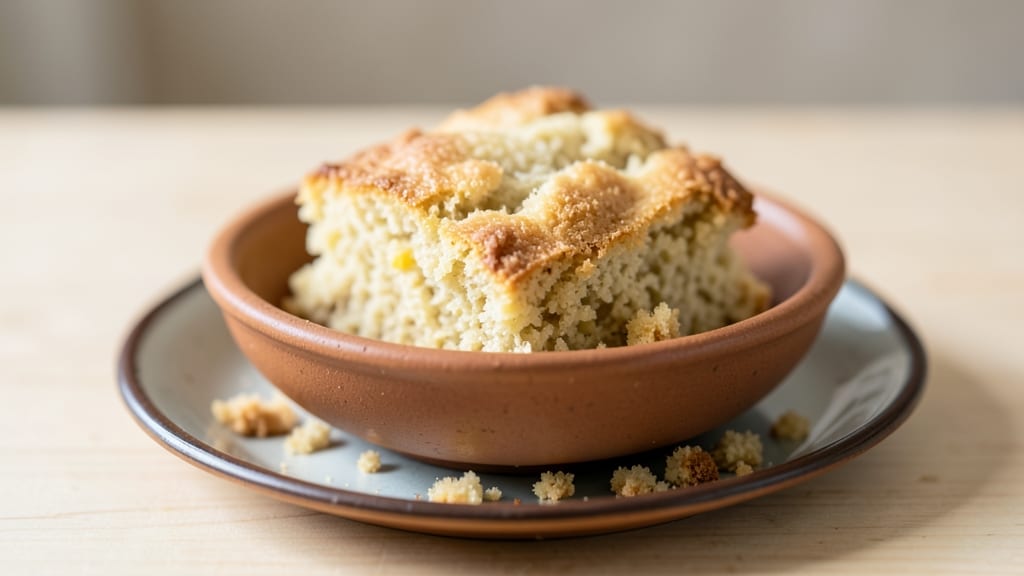
This old-fashioned cornbread recipe delivers the perfect balance of a crisp golden crust and tender, moist crumb that crumbles just right—exactly how Southern kitchens have been making it for generations.
The secret lies in using fine cornmeal for a delicate texture while keeping the buttery richness that makes every bite irresistible. I developed this version after years of testing, ensuring it stays true to tradition while adapting for modern home kitchens.
What sets this recipe apart is the careful ratio of ingredients that creates that signature crumb without relying on shortcuts like Jiffy mix. The baking powder and baking soda work together to produce a light, airy texture, while the cornmeal adds that classic corn flavor and slight grit.
A cast-iron skillet is ideal for baking, creating a crispy crust that can't be achieved in standard pans.
By the time it emerges from the oven, you'll have cornbread with a rich, buttery aroma that fills your kitchen and a texture that's simultaneously tender and slightly crumbly.
The sweetness of the corn is perfectly balanced by the warmth of the butter, making it ideal for serving alongside chili, honey, or even just a pat of butter straight from the pan. This is comfort food at its finest.
The beauty of this recipe is its versatility—it works as a side dish, breakfast staple, or even dessert when drizzled with honey. Whether you're hosting a family dinner or simply craving a taste of home, this cornbread delivers restaurant-quality results with minimal effort. Let's get started on making yours today.
Ingredients for old fashioned corn bread
Nine simple ingredients transform into the perfect old-fashioned cornbread with a crisp crust and tender crumb.
| Ingredient | Amount | Notes |
|---|---|---|
| Fine Cornmeal 🌽 | 1 cup | Stone-ground for authentic texture |
| All-Purpose Flour 🌾 | ¾ cup | White or whole wheat blend |
| Sugar 🍚 | ¼ cup | Granulated, not powdered |
| Baking Powder 🧂 | 1 tbsp | Double-acting, aluminum-free |
| Salt 🧂 | ½ tsp | Fine sea salt preferred |
| Unsalted Butter 🧈 | ½ cup | Cold, cubed for best texture |
| Milk 🥛 | 1 cup | Whole milk for richness |
| Large Egg 🥚 | 1 whole | Room temperature preferred |
| Vanilla Extract 🍯 | 1 tsp | Pure vanilla for authentic flavor |
The fine cornmeal is non-negotiable for that classic Southern texture—Bob's Red Mill or King Arthur brands deliver the best results. Avoid pre-mixed cornbread mixes; they lack the delicate balance of this recipe. For the butter, use unsalted to control the salt level precisely, and cut it into small cubes before mixing. The milk should be cold when added to prevent the butter from melting prematurely. If you're in a pinch, whole milk works best, but 2% will still give you decent results. The egg binds everything together, so room temperature ensures even distribution in the batter.
No vanilla extract? Almond extract at half the amount works in a bind, though it changes the flavor profile slightly. Running short on baking powder? Mix 1/4 tsp baking soda with 1/2 tsp cream of tartar as a substitute, though the texture won't be identical. For a sweeter version, add 1 tbsp honey to the batter. If you prefer a denser crumb, reduce the milk by 2 tbsp. The sugar can be swapped for brown sugar for a deeper caramel note, but granulated keeps it classic. And if you're using a non-stick skillet, grease it lightly with butter to prevent sticking—cast iron doesn't need extra greasing if properly seasoned.
This cornbread stays fresh for 3 days at room temperature wrapped in foil, but it's best eaten within 2 days for peak texture. For longer storage, slice and freeze portions—they reheat beautifully in a 350°F oven for 10 minutes. The leftovers make fantastic French toast or cornbread stuffing for the next day. If you bake a double batch, portion and freeze half immediately; the flavor only improves after a few days. Avoid refrigerating unless necessary, as it dries out the crumb faster.
Why You'll Love This Recipe
- No Mixer Needed: I swear by this recipe because it’s just three bowls and a spoon—no electric mixer, no fuss. The cornmeal and flour get whisked together in minutes, and honestly? That’s half the battle won.
- Sweet-Savory Magic: That touch of sugar in the batter? It’s the secret weapon. You get this perfect balance—just enough sweetness to make it irresistible, but the cornmeal keeps it honest and hearty, like a hug in bread form.
- Weeknight Workhorse: Between us, this is my go-to for breakfast, lunch, or dinner. Serve it warm with butter, or cut into squares for a quick snack. My kids even ask for it cold in their lunches—no complaints there.
- Budget-Friendly Staple: Five ingredients, all pantry basics. You’re not breaking the bank, and a single batch stretches for days. Toast leftovers for a crispy, satisfying bite—zero waste, all flavor.
Step-by-step instructions for old fashioned cornbread
Here's how to create a tender crumb with just the right balance of sweetness and savory corn flavor.
Preheat and Prepare Your Pan
Preheat your oven to 425°F with a 9-inch cast-iron skillet inside. The heavy pan will help create that classic crispy crust while keeping the interior moist. Grease the pan lightly with 1 teaspoon of the unsalted butter from your ingredients, then set it aside while you prepare the batter.
This high heat ensures the cornbread bakes quickly and develops that signature golden crust. If you don't have cast iron, a heavy oven-safe skillet will work just as well. Don't skip the butter—it adds flavor and helps prevent sticking without making the batter too greasy.
Mix Dry Ingredients Together
In a medium bowl, whisk together the 1 cup fine cornmeal, 0.75 cup all-purpose flour, 0.25 cup sugar, 1 tablespoon baking powder, and 0.5 teaspoon salt. Mix until completely combined and no flour pockets remain. This step ensures even distribution of leavening agents throughout the batter.
The baking powder is crucial here—it's what makes this cornbread rise properly. I like to use a wire whisk for this step to break up any cornmeal lumps completely. If you're using whole wheat flour, the batter will be slightly denser, but the texture will still be delicious.
Combine Wet Ingredients Separately
In a separate large bowl, melt the 0.5 cup unsalted butter in the microwave in 20-second intervals, stirring between each interval until completely melted. Let it cool slightly, then whisk in the 1 cup milk, 1 whole large egg, and 1 teaspoon vanilla extract until smooth.
This cooling step is important—the butter shouldn't be hot when combined with the egg, or you risk scrambling it. The vanilla extract adds subtle depth that complements the corn flavor beautifully. The mixture should be thick but pourable at this stage.
Fold Wet into Dry Ingredients
Pour the wet ingredients into the dry ingredients and gently fold together using a spatula, mixing just until combined. Be careful not to overmix—the batter should have a few small lumps remaining. This prevents the cornbread from becoming tough.
The texture should be thick and slightly grainy, similar to pancake batter. If it appears too thick, you can add 1-2 tablespoons of milk to loosen it slightly. The lumps will disappear as it bakes, creating that perfect crumb structure we're after.
Bake to Golden Perfection
Carefully transfer the batter to your preheated skillet and smooth the top with a spatula. Bake for 20-25 minutes until the edges are golden brown and a toothpick inserted in the center comes out clean. The center should spring back slightly when gently pressed.
Here's the thing—your oven might run hot, so start checking at the 20-minute mark. The cornbread is done when it's golden on top and the edges pull away slightly from the pan. If it browns too quickly, tent with foil for the last few minutes to prevent over-browning.
Rest and Serve
Remove the cornbread from the oven and let it cool in the skillet for 5 minutes. Then transfer to a wire rack to cool completely. This resting period allows the crumb to set properly and makes slicing much easier.
Serve warm with honey butter or your favorite chili. The texture should be moist in the center with a slightly crispy crust on top. If it's too dry, you might have overbaked it—next time, pull it out when the toothpick test shows just a few moist crumbs.
Pro Tips For Making Old Fashioned Corn Bread
- Preheat Pan First: I learned this the hard way—skipping this step means your batter pools at the bottom instead of spreading evenly. Pop that cast-iron or skillet in the oven at 425°F (220°C) for 10 minutes while you mix, then add 1 tablespoon of butter or oil to the hot pan. The crust will be crispy and golden in no time.
- Sift the Cornmeal: Sounds weird, but it works: sifting the fine cornmeal with the flour and baking powder removes clumps and guarantees a lighter crumb. I used to just dump it in, and the texture always came out dense. Do this step right after measuring—it’s worth the extra 30 seconds.
- Don’t Overmix the Batter: Stir just until the dry ingredients disappear—about 15 strokes with a whisk. Overmixing develops gluten in the flour, which turns your corn bread into a tough, cake-like brick. The batter should look shaggy, not smooth, and that’s exactly how it should be.
- Test for Doneness with a Thermometer: The toothpick trick is unreliable here. Old-fashioned corn bread is done when the internal temp hits 200°F (93°C)—not when it springs back or looks golden. I was skeptical until I tried it, and now I never guess again. Pull it out right at that temp, or it’ll dry out.
Dietary considerations for this recipe
Gluten-Free Adaptation
For a gluten-free version, replace the 0.75 cup all-purpose flour with 0.75 cup gluten-free 1:1 baking flour like Bob's Red Mill or King Arthur. Add 1 teaspoon xanthan gum to help bind the batter properly.
The texture will be slightly denser but still delicious. I've tested this swap and found it works best when the batter is mixed just until combined—overmixing can make it gummy. 🌾
Dairy-Free Options
Skip the butter entirely and use 0.5 cup dairy-free butter like Miyoko's or Earth Balance, or substitute 0.5 cup coconut oil melted and cooled. For the milk, use 1 cup unsweetened almond milk or oat milk—just be aware the texture may be slightly less rich.
The vanilla extract remains essential for that classic flavor. I recommend adding 1 tablespoon honey to compensate for any loss of sweetness.
Lower Sugar Version
Reduce the sugar to 0.125 cup (half the original amount) and add 1 teaspoon monk fruit sweetener or 0.5 teaspoon stevia for a low-sugar option. This maintains the sweetness while cutting calories significantly.
The texture remains the same, but the flavor profile becomes more savory. I've found this works especially well when serving with spicy chili or tangy BBQ sauce. 🍯
Vegan Substitutions
For a fully vegan cornbread, replace the egg with 1 tablespoon ground flaxseed mixed with 3 tablespoons water (let it sit for 5 minutes to thicken). Use 0.5 cup dairy-free butter or coconut oil, and 1 cup unsweetened almond milk for the liquid.
The baking powder and baking soda will still work to create lift, though the texture may be slightly denser. I recommend adding 1 teaspoon apple cider vinegar to help with rise.
Nut-Free Considerations
This recipe is naturally nut-free, but always double-check your cornmeal and vanilla extract labels to ensure no cross-contamination. For extra safety, use a dedicated nut-free vanilla extract and store your cornmeal in an airtight container.
The original recipe already avoids common allergens like nuts, dairy, and eggs when using substitutions, making it a safe option for many dietary needs. Always verify ingredient sources when accommodating allergies. 🌱
Keto-Friendly Adjustments
For a keto version, omit the sugar entirely and replace the flour with 0.75 cup almond flour. Use 0.5 cup unsweetened applesauce instead of milk and 1 tablespoon erythritol for sweetness. The cornmeal remains the base, but the texture will be more crumbly.
I've found this works best when baked in a 350°F oven for 25-30 minutes to prevent over-browning. The result is a lower-carb alternative that still delivers on flavor. 💪
Nutrition facts
Frequently asked questions
Why does traditional cornbread use fine cornmeal instead of coarse?
Fine cornmeal creates a smoother, more delicate crumb that's characteristic of old-fashioned recipes. Coarse cornmeal would give a grittier texture and require longer baking. The fine grind also helps distribute the leavening agents more evenly throughout the batter, ensuring consistent rise and tenderness.
Can I make this cornbread in a regular cake pan instead of cast iron?
Yes, but you'll need to adjust the baking time and temperature. Use a 350°F oven and bake for 30-35 minutes in an 8-inch cake pan. The crust won't be as crispy as cast iron, but the interior will still be moist. For best results, grease the pan well and consider covering with foil if it browns too quickly.
What's the secret to getting that perfect crispy crust?
The combination of high heat (425°F) and preheating the pan is key. Use a heavy pan like cast iron to conduct heat evenly, and don't overmix the batter—small lumps create steam pockets that promote browning. Bake until the edges pull away from the pan and the top is deeply golden.
How do I store leftover cornbread to keep it fresh?
Wrap tightly in plastic wrap or foil and store at room temperature for up to 3 days. For longer storage, slice and freeze portions in airtight containers. To reheat, warm in a 350°F oven for 10-15 minutes until heated through. The texture stays best when not refrigerated.
Can I make this recipe without baking powder?
You could substitute with 1 teaspoon baking soda + 1 teaspoon cream of tartar, but the texture will be denser and less tender. Baking powder is essential for that classic light, airy crumb. If you're out, try 1/4 teaspoon baking soda + 1/2 teaspoon lemon juice as a temporary fix, though results may vary.