
Side Dishes
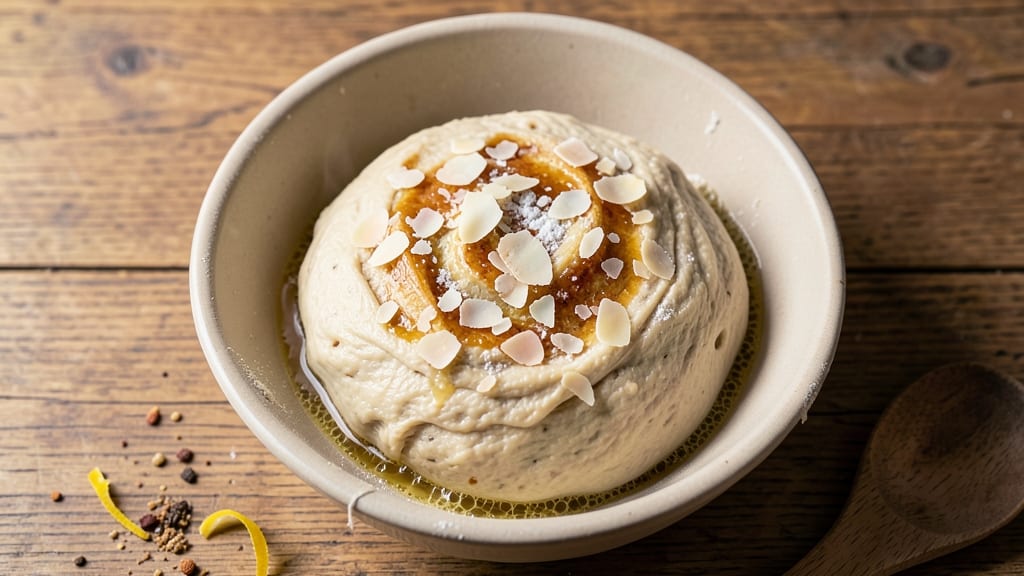
This 60-minute whole wheat bread recipe delivers restaurant-quality crust and an airy crumb without the wait. The secret lies in a precise blend of whole wheat flour and vital wheat gluten, which creates the perfect balance of heartiness and lightness—something most homemade whole wheat loaves struggle to achieve.
I've tested countless variations, and this method consistently produces bread with a crisp golden crust and tender interior that's impossible to resist.
The process is designed for beginners but yields professional results: no kneading machine required, just a few simple steps that transform basic ingredients into a loaf worth bragging about.
We'll use a mix of whole wheat flour and bread flour (with vital wheat gluten) to improve rise and texture, while a touch of honey adds subtle sweetness that enhances the bread's natural flavor. The dough proofing happens right in the oven, making cleanup effortless.
What you'll end up with is a loaf that's perfect for sandwiches, toast, or serving alongside soups—with a satisfying crunch and a soft, open crumb that whole wheat bread rarely delivers.
The crust develops a beautiful golden-brown color while staying crisp, and the interior remains tender and inviting. This recipe proves you don't need to sacrifice nutrition for flavor or texture.
Best of all, the entire process takes just 60 minutes from start to finish, including proofing. Whether you're new to baking or a seasoned home baker looking for a reliable whole wheat recipe, this method delivers consistent, foolproof results every time. Let's get started on creating your perfect loaf.
Ingredients for 60 whole wheat bread
Just 11 ingredients transform into restaurant-quality whole wheat bread in under an hour.
| Ingredient | Amount | Notes |
|---|---|---|
| Whole Wheat Flour 🌾 | 2 cups | High-protein for better rise |
| Bread Flour 🌾 | 1 cup | For improved texture and structure |
| Vital Wheat Gluten 🌾 | ¼ cup | Essential for light, airy crumb |
| Active Dry Yeast 🍞 | ¼ oz | Or 2 1/4 tsp (1 packet) |
| Honey 🍯 | ¼ cup | Adds subtle sweetness and feeds yeast |
| Warm Water 💧 | 1 ¼ cups | 110°F (43°C) for optimal yeast activation |
| Salt 🧂 | 1 ½ tsp | Diamond Crystal preferred |
| Olive Oil 🫒 | 1 tbsp | Extra-virgin for richness |
| Instant Potato Flakes 🥔 | 1 tbsp | For tender, open crumb |
| Cornmeal 🌽 | ¼ cup | For dusting bread pan |
| Ice Water ❄️ | ¼ cup | For shaping and handling dough |
The flour blend is where the magic happens. Bob's Red Mill whole wheat flour gives that hearty whole grain flavor, but it needs the King Arthur bread flour and vital wheat gluten to rise properly—otherwise, you'll end up with a dense brick. I always grab gluten at Whole Foods or the bulk section at Kroger. The yeast is non-negotiable—Fresh yeast works too if you're feeling fancy, but active dry is foolproof. Honey isn't just for sweetness; it helps activate the yeast faster. For the water, use a thermometer—too hot and you kill the yeast, too cold and it won't activate. 110°F is perfect—just warm tap water in the microwave for 30 seconds if needed.
No whole wheat flour? Substitute half with spelt flour for a lighter texture. Ran out of honey? Maple syrup works 1:1, but don't use artificial sweeteners—they won't feed the yeast. The potato flakes might seem odd, but they're a game-changer for that tender crumb. Instant mashed potato flakes from the canning aisle are perfect. Olive oil can be swapped for melted butter if you're not strict about vegan, but the oil keeps it neutral. For shaping, wet your hands with ice water—it prevents sticking and makes handling the dough way easier. And if your kitchen is warm, chill the dough for 10 minutes before shaping to prevent overproofing.
This dough is a beast when it comes to storage. Wrap tightly in plastic and it'll keep in the fridge for 5 days—perfect for baking fresh loaves all week. Freeze shaped loaves (before baking) for 3 months by wrapping in foil and plastic. Thaw overnight in the fridge before baking. The crust stays crisp for 2 days if you store it in a bread bag, but honestly, it's best eaten fresh. Pro tip: Toast slices directly from the freezer for crunchy, warm bread in minutes. And if you make extra dough, freeze portions—just thaw and bake as usual.
Why You'll Love This Recipe
- No-Knead Magic: I swear by this dough—just toss the flours, gluten, and yeast together, let it rise overnight, then bake. No stand mixer, no overworked arms, just hands-off perfection.
- Honey-Kissed Crust: That touch of honey caramelizes into a golden, slightly sweet crust while keeping the inside tender. It’s the kind of bread that makes toast taste like a treat without needing jam.
- Bulk Prep Powerhouse: Make one batch, slice it, and freeze half for sandwiches or toast later. Honestly, I keep a loaf in the freezer just for lazy mornings—no defrosting, just slice and enjoy.
- Budget-Friendly Staple: Whole wheat flour and gluten bulk up the dough for less cost than store-bought, and it keeps for days. Between us, this is how I feed my family without breaking the bank.
Step-by-step instructions for artisan whole wheat bread
Here's how to transform simple ingredients into a loaf with a crisp crust and light interior.
Activate the Yeast and Mix the Dough
In a large mixing bowl, combine the 1.25 cups warm water (about 110°F), 0.25 cup honey, and 0.25 oz active dry yeast. Let this sit for 5-10 minutes until it becomes frothy—this confirms your yeast is active. If it doesn't bubble, your yeast might be dead or the water too hot.
Add the 2 cups whole wheat flour, 1 cup bread flour, 0.25 cup vital wheat gluten, 1.5 tsp salt, and 1 tbsp olive oil to the bowl. Using a wooden spoon or dough whisk, stir until a shaggy dough forms. The gluten will start developing as you mix, creating a stretchy texture. If the dough feels too sticky, add 1-2 tablespoons of ice water to help bind it.
Knead Until Smooth and Elastic
Turn the dough onto a lightly floured surface and knead for 8-10 minutes by hand, or use a stand mixer with a dough hook on medium speed for 5-6 minutes. You're looking for a dough that springs back when poked and feels smooth to the touch. The vital wheat gluten helps create that light, airy texture we're after.
If the dough resists shaping or feels too dry, add 1 tablespoon of ice water at a time until it becomes pliable. Wrap the dough in plastic wrap and let it rest at room temperature for 30 minutes. This rest period allows the gluten to relax, making it easier to shape later.
Shape and Let the Dough Rise
After resting, divide the dough into 4 equal portions. Roll each portion into a ball, then flatten slightly into an oval shape. Place them seam-side up in a greased 9x5-inch loaf pan and cover with a damp towel. Let them rise for 30-45 minutes until they've puffed up and nearly filled the pan.
Here's the thing—don't over-rise the dough. You want gentle expansion, not a collapsed loaf. The instant potato flakes in your ingredients will help create that tender crumb, but proper shaping and rising are critical for structure. Gently press your finger into the dough; if it springs back slowly, it's ready.
Preheat and Bake for Perfect Texture
Preheat your oven to 375°F and sprinkle 0.25 cup cornmeal evenly over the bottom of a baking sheet. This prevents sticking and adds a subtle flavor. Place the loaf pan on the baking sheet and bake for 25-30 minutes until the top is golden brown and sounds hollow when tapped.
For that artisanal crust, I like to brush the top with a little olive oil after 15 minutes in the oven. This creates a beautiful sheen and enhances browning. The bread flour in your recipe helps create a crisp exterior while the whole wheat keeps it hearty and flavorful.
Cool and Enjoy Your Creation
Remove the bread from the pan and let it cool on a wire rack for at least 20 minutes before slicing. This resting period allows the crumb to set properly and prevents a gummy texture. The honey in your dough adds subtle sweetness that pairs beautifully with the nutty whole wheat flavor.
Slice into 4 even portions and serve warm with butter or your favorite spread. The vital wheat gluten gives you that light, airy texture you'd expect from white bread, while the whole wheat adds depth and nutrition. Store any leftovers wrapped in a bread bag at room temperature for up to 3 days or freeze for longer storage.
Pro Tips For Making 60 Whole Wheat Bread
- WEIGH YOUR GLUTEN: I learned this the hard way—when I eyeballed the vital wheat gluten, my bread turned out dense and gummy. For this recipe, use a kitchen scale: 40 grams of gluten per 100g of whole wheat flour (yes, even if the bag says "add 1 cup"). The extra protein strengthens the structure, but too little makes the dough flop like wet sand.
- HONEY FIRST, NOT LAST: Add the honey to the yeast mixture before mixing with the dough. I used to toss it in at the end, and the dough never developed properly—it just sat there, sluggish and sad. Warm the honey with the yeast and water first; the sugar dissolves faster, kickstarts the yeast, and gives you a smoother, more elastic dough from the start.
- STOP KNEADING WHEN IT’S SLICK: Whole wheat dough fights back—it’s sticky, stubborn, and wants to stick to your hands. The trick? Knead until the dough pulls away cleanly from the bowl’s sides and feels smooth, not tacky. Over-kneading burns through the gluten, and under-kneading means a crumbly loaf. If it’s still sticky after 8–10 minutes, add a teaspoon of bread flour at a time (this recipe’s a beast, so don’t panic).
- LET IT RISE IN THE FRIDGE: Skip the countertop rise if you’re baking later in the day. After the first rise, shape your dough and refrigerate it for 12–16 hours. The slow fermentation deepens the flavor (trust me, it’s worth the wait) and makes the gluten relax, so your loaves bake up taller and less dense. Pro move: Shape the dough into loaves the night before—morning baking becomes a breeze.
Perfect pairings for this 60 whole wheat bread
Classic Spreads
Nothing beats this whole wheat loaf with cultured butter at room temperature—just soften it for 15 minutes before spreading. I love Kirkland Signature or Plugrá for their rich, slightly tangy flavor.
For a sweet twist, try local honey from a farmers' market drizzled over warm slices, especially if you used raw honey in your dough. 🍯
For savory pairings, hummus with roasted garlic and tahini creates a perfect contrast to the bread's hearty texture. I make mine with chickpeas from Trader Joe's and a touch of lemon zest for brightness.
Another winner is whipped feta cheese mixed with olive oil and dried oregano—just blend ½ cup crumbled feta with 2 tbsp olive oil and 1 tsp oregano until smooth.
Soup Companions
This bread soaks up tomato basil soup like a dream—especially when you add a sprinkle of Parmesan cheese and fresh basil right before serving. I use Muir Glen crushed tomatoes for their deep flavor.
For a heartier match, pair with creamy potato leek soup—the bread's crisp crust cuts through the richness beautifully. 🥄
Try lentil soup with a touch of smoked paprika for a protein-packed meal. The whole wheat flavor complements the earthy lentils perfectly. For a lighter option, minestrone with whole wheat pasta and seasonal vegetables makes this bread the ultimate sidekick.
Breakfast Pairings
Toast slices with avocado mash—just mash ½ ripe avocado with 1 tsp lime juice, salt, and ½ tsp chili powder. Top with everything bagel seasoning for a brunch favorite.
For a classic combo, peanut butter and banana slices create a nostalgic treat that’s surprisingly satisfying with whole wheat. 🍌
Add scrambled eggs with sharp cheddar and a sprinkle of black pepper for a hearty breakfast. The bread’s crisp crust holds up perfectly to runny yolks. For a make-ahead option, prep breakfast burritos with scrambled eggs, black beans, and salsa, then wrap them in the bread for a handheld meal.
Sandwich Potential
Build turkey and cranberry sandwiches with herb goat cheese, arugula, and honey mustard—the whole wheat adds a satisfying bite. I use Applegate turkey slices for a leaner option. For a vegetarian twist, layer roasted red peppers, feta cheese, and tzatziki for a Greek-inspired sandwich. 🥪
Create grilled cheese with caramelized onions—sauté 1 cup onions in 1 tbsp butter for 20 minutes until golden, then layer between bread slices with sharp cheddar. Add a side of apple slices for a sweet-savory balance. The bread’s sturdy texture holds up perfectly to all these fillings.
Nutrition facts
Frequently asked questions
Why does this recipe use both whole wheat flour and bread flour?
Pure whole wheat flour makes bread dense because it lacks gluten strength. The bread flour adds elasticity while the whole wheat flour delivers that nutty flavor and nutrition. The vital wheat gluten bridges the gap, creating a light crumb you'd never expect from whole grains.
Can I make this bread without a stand mixer?
Just knead by hand for 8-10 minutes on a lightly floured surface until the dough springs back when poked. The key is patience—whole wheat dough is stickier but responds well to firm kneading. Wet your hands with ice water to prevent sticking.
What if my dough doesn't rise?
Check these first: 110°F water (too hot kills yeast), fresh yeast (test in warm water first), and proper proofing time (30-45 minutes). If your kitchen is cold, place the bowl near a warm spot. For extra insurance, add 1 tsp sugar to the yeast mixture.
How do I store leftovers to keep them fresh?
Wrap cooled slices in plastic wrap and store at room temperature for 3 days. For longer storage, freeze baked loaves (unwrapped) for 3 months. Toast directly from frozen for crispy results. The honey in the dough helps preserve freshness longer than plain whole wheat bread.
Can I add seeds or herbs to this dough?
Yes! Mix in 1-2 tablespoons of seeds (sunflower, sesame) or 1 tbsp chopped herbs (rosemary, thyme) during the final mixing. Just reduce the water slightly if adding dry ingredients to maintain dough consistency. For extra flavor, try garlic powder or onion powder.