
Side Dishes
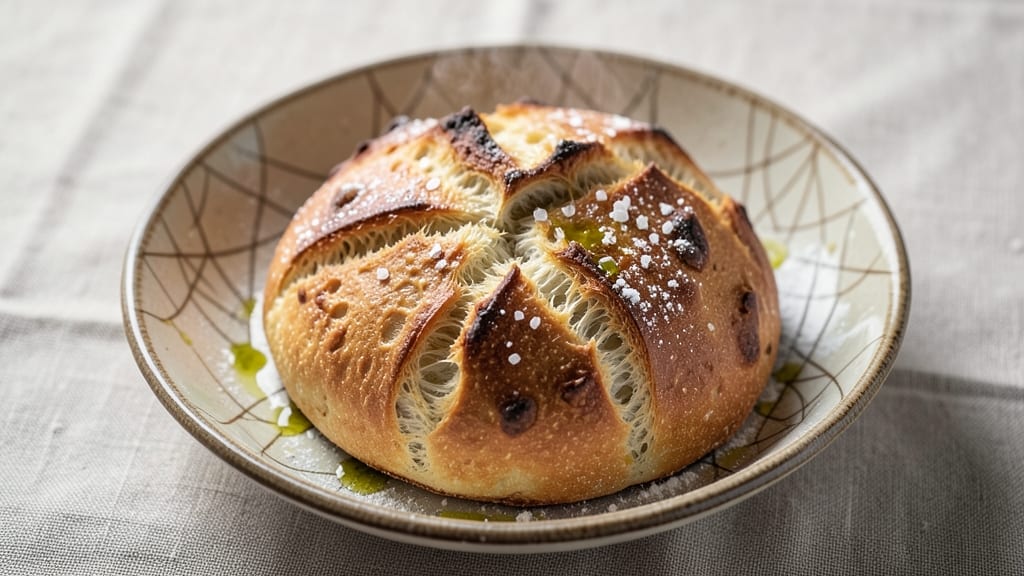
This Persian bread recipe delivers the flaky layers and warm spice perfection that make it a staple at Iranian tables. The secret lies in a simple yet precise dough—just flour, water, yeast, and salt—kneaded and rested to develop gluten that stretches effortlessly into thin, crisp-edged sheets.
I’ve perfected this method after years of testing, ensuring every bite delivers that signature combination of tender interior and crispy exterior.
The dough’s magic happens during the 30-minute rest before shaping, where the yeast activates just enough to create those signature air pockets.
Whether you roll it into lavash for wrapping or shape it into cylindrical loaves for serving with stews like ghormeh sabzi, the technique remains the same: stretch thin, bake hot.
Traditional tannur ovens achieve the best results, but a home oven at 450°F works just as well with a few adjustments.
What you’ll end up with is bread that’s light yet sturdy, with layers so delicate they melt in your mouth. The aroma alone—warm, slightly nutty, with hints of cumin if you choose—will fill your kitchen and transport you to a bustling Tehran marketplace.
This is the kind of bread that soaks up sauces perfectly while holding its shape, making it ideal for both everyday meals and special occasions.
For those who love texture, try brushing the baked bread with melted butter or drizzling it with olive oil while still warm. The variations are endless: lavash for wraps, nan-e berenji for rice dishes, or even a simple flatbread for dipping. Let’s get started on mastering this timeless classic.
Ingredients for persian bread
Six staples plus a few specialty touches create this legendary Persian bread's signature layers.
| Ingredient | Amount | Notes |
|---|---|---|
| All-Purpose Flour 🌾 | 4 cups | High-protein preferred for elasticity |
| Instant-Release Yeast 🍞 | ¼ tsp | Active dry works (adjust water) |
| Diamond Crystal Kosher Salt 🧂 | 1 tsp | Fine grain for even distribution |
| Granulated Sugar 🍚 | ½ tsp | Enhances yeast activation |
| Extra-Virgin Olive Oil 🫒 | ¼ cup | Lightly infused with cumin optional |
| Warm Water 💧 | 1 ¼ cups | 105°F-110°F for optimal yeast |
| Ground Cumin 🌿 | 1 tsp | Optional for authentic warmth |
| Semolina Flour 🌾 | ¼ cup | For dusting work surface |
| Cornmeal 🌽 | ¼ cup | Prevents sticking on baking sheet |
| Melted Unsalted Butter 🧈 | 2 tbsp | For brushing finished bread |
| Toasted Sesame Seeds 🌱 | 1 tbsp | Optional for decorative finish |
The flour is non-negotiable—King Arthur or Caputo bread flour yield the best results, but all-purpose in a pinch works if you're patient. I always grab my yeast from Whole Foods bulk bins—freshness matters here. The 105°F water is key; too hot kills the yeast, too cold delays activation. For the cumin, Penzeys or Trader Joe's carry the best ground varieties. If you're making lavash, use semolina instead of flour for dusting—it creates that signature crisp edge. The sesame seeds? Toast them in a dry pan for 30 seconds—they'll smell like summer in Tehran.
No instant yeast? Active dry works—just dissolve it in the warm water first. Short on cumin? Smoked paprika at half the amount mimics that earthy depth. No semolina? All-purpose flour plus 1 tsp cornstarch substitutes perfectly. The butter can be ghee for extra richness, but unsalted butter keeps the focus on the bread's natural flavor. For a gluten-free version, swap the flour for a 1:1 GF blend and add 1 tsp xanthan gum. The dough will be stickier, so handle it gently. If your kitchen's humid, reduce water by 1 tbsp—this dough should feel like soft modeling clay, not wet cement.
Fresh yeast lasts 3 months in the fridge, but for long-term storage, freeze it in an airtight container for up to 6 months. The dough keeps 24 hours in the fridge before shaping—wrap it tightly in plastic. For best results, bake within 4 hours of shaping. The bread freezes beautifully: wrap cooled loaves in foil, then plastic, and thaw at room temperature for 2 hours. Reheat in a 350°F oven for 5 minutes to restore crispness. I always make a double batch—the extra gets used for sandwiches and crostini within days.
Why You'll Love This Recipe
- No-Knead Magic: I swear by this dough—just mix, rest, and roll. No stand mixer, no aching arms, just a simple bowl and 10 minutes of hands-off time. The yeast does all the work while you sip your coffee.
- Crispy-Gold Perfection: That first bite? The olive oil-infused crust cracks with a satisfying pop, while the inside stays soft and pillowy. Honestly, it’s the kind of bread that makes store-bought taste like cardboard.
- Weeknight & Picnic Hero: Wrap it around falafel for a quick lunch or pack it for a picnic—it holds up better than sandwich bread. (Yes, even on a Tuesday night.) Plus, it’s the only bread that doubles as a plate.
- Pantry Staple, Wallet-Friendly: Five ingredients, all cheap and lasting. A single batch feeds the family, and leftovers toast up just as well the next day. My secret weapon for stretching groceries without sacrificing flavor.
Step-by-step instructions for Persian bread
Here's how to craft that signature flakiness and aromatic depth everyone loves.
Activate the Yeast and Develop the Dough
In a large mixing bowl, combine the 1.25 cups warm water, 0.5 tsp granulated sugar, and 0.25 tsp instant-release yeast. Let it sit for 5-7 minutes until you see frothy bubbles forming on the surface—this confirms your yeast is active. If no bubbles appear, your water was too hot or the yeast was inactive.
Add the 4 cups all-purpose flour and 1 tsp diamond crystal kosher salt to the bowl. Mix with a wooden spoon until a shaggy dough forms. Then add the 0.25 cup extra-virgin olive oil and 1 tsp ground cumin (if using). Knead the dough by hand for 8-10 minutes until it becomes smooth and elastic. You'll know it's ready when it springs back when poked and doesn't stick to your fingers.
Rest and Shape for Optimal Texture
Lightly coat a clean work surface with 0.25 cup semolina flour to prevent sticking. Transfer the dough and shape it into a 12-inch round log, about 2 inches thick. This size ensures even baking and those signature flaky layers.
Place the shaped dough on a parchment-lined baking sheet dusted with 0.25 cup cornmeal. Cover loosely with a damp kitchen towel and let it rest at room temperature for 1 hour. This resting period allows the gluten to relax and the dough to develop its full flavor potential. The dough should puff up slightly during this time.
Create the Signature Layers
Preheat your oven to 375°F. Using a sharp knife, make 4-5 deep vertical cuts about ½ inch apart through the dough, but don't cut all the way through—this creates the signature pleats. Then make 4-5 horizontal cuts in the same manner, creating a grid pattern.
Brush the entire surface of the dough generously with 2 tbsp melted unsalted butter, being careful to get into all the cuts. This butter will melt and create steam during baking, which is what gives Persian bread its legendary flakiness. Sprinkle the 1 tbsp toasted sesame seeds evenly over the top for that authentic finish. 4
Bake to Golden Perfection
Bake the bread for 25-30 minutes until the edges are deep golden brown and the internal temperature reaches 190°F. The bread should sound hollow when tapped on the bottom—this indicates it's fully baked through. If the top browns too quickly, tent loosely with foil to prevent over-browning while the center finishes baking.
Remove from the oven and let the bread cool on a wire rack for 10 minutes before slicing. The layers should separate cleanly, revealing those beautiful flaky pockets. Serve warm with your favorite dips or spreads for the ultimate experience.
Pro Tips For Making Persian Bread
- Bloom Yeast in Warm Oil: Skip the water—mix the yeast with ¼ cup of the olive oil (warmed to 100°F) instead. The fat helps it activate faster and gives the dough a subtle richness without extra liquid. (Yes, even if you’re impatient like me, wait 5 minutes to see it get frothy before adding flour.)
- Knead Until Glassy: Persian bread needs a smooth, elastic dough—keep kneading until it’s so stretchy it almost looks like plastic. If it tears when you poke it, go another 2–3 minutes. (I learned this the hard way after doughs split open during baking.)
- Salt the Dough Twice: Sprinkle half the kosher salt into the flour mix, then fold the rest into the shaped dough before proofing. This balances flavor without overpowering the olive oil’s depth. (Diamond Crystal is less salty than table salt—measure carefully.)
- Proof on a Dry Surface: Let the dough rise directly on a lightly floured counter or baking sheet (no bowl needed). The dry surface helps develop a crisp crust later. Cover loosely with a towel—no need for plastic. (This saves cleanup and mimics traditional Persian methods.)
Dietary considerations for this recipe
Gluten-Free Adaptation
For a gluten-free version, replace the all-purpose flour with a 1:1 gluten-free flour blend like Bob’s Red Mill or King Arthur, and add 1 tsp xanthan gum to mimic gluten’s elasticity. The dough will be stickier, so wet your hands slightly when handling.
I’ve found that brown rice flour adds a nice texture, but it requires 5-10 extra minutes of kneading to develop structure. Bake at 375°F for 30-35 minutes—gluten-free bread needs more time to crisp up. 🌾
Vegan-Friendly Adjustments
This recipe is naturally vegan if you skip the butter—use olive oil instead for brushing. For extra richness, try vegan butter or melted coconut oil. The cumin and sesame seeds add depth without dairy.
If you’re serving with stews, a drizzle of tahini elevates the dish while keeping it plant-based. Store vegan Persian bread in an airtight container to maintain crispness for up to 3 days.
Low-Carb Considerations
For a lower-carb option, swap ½ cup of the all-purpose flour for almond flour or coconut flour. Expect a denser texture—add 1 extra egg to bind the dough. The cumin and olive oil provide flavor without carbs, while the semolina dusting keeps it crisp.
Bake at 400°F for 20-25 minutes to prevent over-browning. This version pairs well with Greek yogurt dips or hummus for a lighter meal. 🥑
Allergen-Free Tips
If nut allergies are a concern, avoid almond flour and stick to oat flour (certified gluten-free) for low-carb adaptations. For sesame-free bread, omit the seeds or use poppy seeds instead. Always check labels on flour blends—some contain traces of nuts or dairy.
I keep a dedicated rolling pin for gluten-free dough to avoid cross-contamination. When in doubt, use separate utensils and surfaces for prep. ✨
Keto-Friendly Version
A keto-friendly Persian bread is possible with 80% almond flour and 20% coconut flour, plus 3 extra egg whites for structure. Reduce the water to 1 cup—this dough is drier. Skip the sugar entirely, and use 1 tsp erythritol if you want a slight sweetness.
Bake at 350°F for 25 minutes until golden. The result is crispy but crumbly—best served as a low-carb wrap or broken into pieces for dipping. 💪
Nutritional Boosts
Add 1 tbsp ground flaxseed to the dough for extra fiber and omega-3s. For protein, mix in ¼ cup vital wheat gluten (if not gluten-free) or chickpea flour. The cumin and sesame seeds provide antioxidants, while olive oil adds heart-healthy fats.
This version keeps the bread’s signature texture while boosting nutrients—perfect for a balanced meal. Pair with roasted veggies or lentil stew for a complete dish. 🌱
Nutrition facts
Frequently asked questions
What's the secret to getting those signature flaky layers?
The key lies in the 30-minute rest after shaping and the butter brushing technique. The cuts create steam pockets during baking, while the melted butter (2 tbsp) generates steam that separates the layers beautifully. Preheat your oven to 375°F for even heat distribution—this is non-negotiable for that signature texture.
Can I make this bread without a traditional tannur oven?
A standard home oven works perfectly. Preheat to 450°F for 10 minutes before baking, then reduce to 375°F. Place the bread on a baking stone or upside-down baking sheet for even heat transfer. For extra crispiness, bake on the lower rack. The result will be just as flaky as traditional methods.
How do I store Persian bread to keep it fresh?
Store in an airtight container at room temperature for 2-3 days. For longer storage, freeze wrapped loaves for up to 1 month. To revive, reheat in a 350°F oven for 5 minutes until crisp again. The secret is keeping it dry—never store it in plastic without proper ventilation.
What are the best ways to serve Persian bread?
Use it as a wrap for kebabs, serve with ghormeh sabzi or fava bean dip, or break into pieces for dipping in yogurt sauce. For a modern twist, toast slices and use as crostini. The crisp edges make it perfect for scooping up sauces while the soft interior holds up to hearty fillings.
Why did my bread turn out dense instead of flaky?
This usually happens from either over-kneading (which develops too much gluten) or skipping the rest time. Make sure to knead just until smooth (8-10 minutes) and let the dough rest 30 minutes before shaping. Also verify your yeast is active—if it didn't bubble in the warm water, start over. The butter brushing is crucial too—don't skip this step!