
Side Dishes
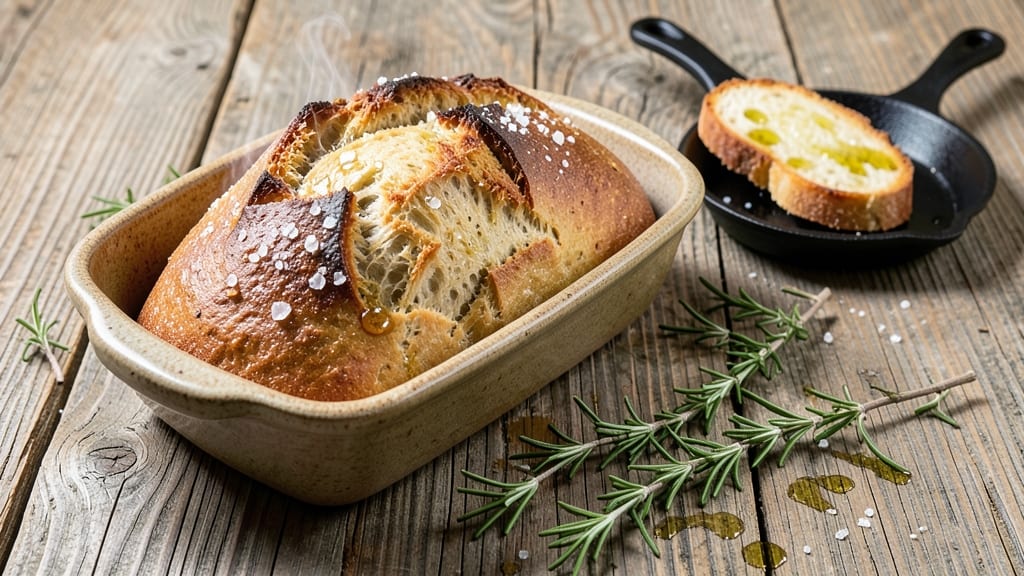
This semolina bread recipe delivers the perfect balance of crispy golden crust and delicate, crumbly interior that makes every slice worth savoring. ✨ Growing up in Sicily, I learned from my nonna that semolina's coarse texture creates that signature rustic crunch—something store-bought loaves simply can't match.
The secret lies in proper hydration and gentle kneading, techniques I've perfected over years of baking.
The beauty of this recipe is its versatility—whether you want a traditional Italian pane di semola or a modern twist with herbs and seeds, the foundation remains the same.
With just five simple ingredients and about 90 minutes of active time (plus rising), you'll have a loaf that smells like a warm Italian bakery. The key is patience during proofing, which develops that signature open crumb structure.
By the time it emerges from the oven, your bread will have a shatteringly crisp crust that gives way to a tender, slightly chewy interior with those coveted air pockets.
This is the kind of bread that pairs perfectly with soups, charcuterie boards, or simply slathered with olive oil and salt. The aroma alone will have everyone gathering around the table.
For those who prefer quicker results, I'll share my quick-rise adaptation in the variations section—just as delicious, though with a slightly denser crumb. Let's get started on creating your perfect loaf!
Ingredients for semolina bread
Five simple ingredients transform into golden crust and crumbly interior—just like Nonna's Italian bakery.
| Ingredient | Amount | Notes |
|---|---|---|
| Semolina Flour 🌾 | 3 cups | Fine-grind for best texture |
| All-Purpose Flour 🌾 | 1 cup | For structure and elasticity |
| Active Dry Yeast 🍞 | 2 ¼ tsp | Or 1 packet instant yeast |
| Granulated Sugar 🍚 | 1 tbsp | Feeds yeast for fermentation |
| Warm Water 💧 | 1 ¼ cups | 110°F (43°C) ideal temperature |
| Extra-Virgin Olive Oil 🫒 | 2 tbsp | High quality for flavor |
| Diamond Crystal Kosher Salt 🧂 | 1 ½ tsp | Fine grain preferred |
| Large Eggs 🥚 | 1 whole | Room temperature for mixing |
| Cornmeal 🌽 | ¼ cup | For dusting baking sheet |
| Coarse Sea Salt 🧂 | ½ tsp | For sprinkling crust |
| Sesame Seeds 🌱 | 2 tbsp | Optional for topping |
| Fresh Rosemary 🌿 | 1 tbsp | Chopped, optional herb |
Semolina is the heart of this bread, so don't skimp on quality. I always grab Caputo semolina flour from Italian markets—it's the gold standard for that signature rustic crunch. If you can't find it, Bob's Red Mill semolina works in a pinch, though the texture will be slightly less refined. The key is using fine-grind semolina, not coarse grits. For yeast, Saf-Instant is my go-to because it doesn't need proofing in water first. Store it in the fridge until ready to use—it's more stable that way. The olive oil should be extra-virgin, not light or refined—you'll taste the difference in every bite.
No semolina? Substitute half with all-purpose flour, but expect a denser crumb. Running short on rosemary? Fresh thyme or dried oregano at half the amount works beautifully. The sesame seeds can be swapped for poppy seeds or flaxseeds if you prefer. For a quicker rise, add 1 extra teaspoon of sugar and let the dough proof at 80°F (27°C) instead of room temperature. If your kitchen is cold, place the dough bowl near a warm oven with the light on—it creates a cozy environment for fermentation. The cornmeal is non-negotiable for that crisp crust—don't skip it!
This dough is a patient one—let it rise until it's nearly doubled in size, about 1.5 to 2 hours. Shape it gently to avoid deflating those precious air pockets. For storage, wrap the cooled loaf in a clean kitchen towel and keep at room temperature for 2-3 days. To revive stale bread, wrap it in foil and warm in a 350°F (175°C) oven for 5 minutes. Freeze slices for up to 3 months—just toast straight from frozen. The aroma alone will bring your kitchen to life, so plan accordingly!
Why You'll Love This Recipe
- No-Knead Magic: I swear by this—just mix, let it rise, and bake. The semolina’s coarse texture gives it a rustic crunch without any of the fuss of kneading or shaping. Honestly, my hands stay clean, and the dough practically does the work for me.
- Toasty Crunch: That first bite? Crispy edges with a soft, airy center—thanks to the semolina’s gritty bite and the yeast’s gentle lift. It’s not just bread; it’s the kind of bread you reach for when you need something good with soup or butter.
- Leftovers That Last: This bread stays fresh for days, and if you slice it thin, it toasts up like a dream. I make a double batch on Sundays—some for the week, some for guests. (Yes, even on a Tuesday night, it’s still the star of the lunchbox.)
- Pocket-Friendly Staple: Semolina’s cheap, yeast is dirt, and flour’s a pantry must-have. For under $5, you’ve got enough dough to feed four, with scraps for croutons or breadcrumbs. Between us, this is how I stretch my grocery budget without skimping on flavor.
Step-by-step instructions for semolina bread
This dough delivers that signature semolina crunch and airy crumb—here's exactly how to achieve it.
👨🍳 Step 1: Activate the Yeast and Mix the Dough
In a large mixing bowl, combine the 1.25 cups warm water (about 110°F), 1 tbsp granulated sugar, and 2.25 tsp active dry yeast. Let it sit for 5-10 minutes until frothy—this confirms your yeast is alive and ready to work. If it doesn't bubble, your yeast is dead and you'll need to start over.
Add the 3 cups semolina flour, 1 cup all-purpose flour, 1.5 tsp diamond crystal kosher salt, and 2 tbsp extra-virgin olive oil to the bowl. Using a wooden spoon or dough whisk, mix until a shaggy dough forms. Here's the thing—semolina flour is dense, so don't be surprised if the dough feels stiff at first. It'll come together as you work it.
Transfer the dough to a lightly floured surface and knead for 8-10 minutes until smooth and elastic. You'll know it's ready when it springs back slowly when poked. If it feels too sticky, add 1-2 tsp semolina flour as needed, but don't overdo it—this bread relies on that semolina texture.
🥘 Step 2: First Rise and Shape the Loaf
Lightly oil a large bowl, place the dough inside, and cover with a damp kitchen towel. Let it rise in a warm place for 1-1.5 hours until nearly doubled in size. The dough should feel light and airy when pressed gently—this indicates proper fermentation. If it rises too quickly, your kitchen is too warm; if it's sluggish, try a warmer spot next to the oven with the light on.
Once risen, punch down the dough to release air, then shape it into a round loaf. For that classic semolina bread shape, roll it into a ball with your hands, tucking the edges under as you go. Place it on a parchment-lined baking sheet dusted with 0.25 cup cornmeal to prevent sticking. Cover loosely and let it rise again for 30-45 minutes until puffy.
Here's where the magic happens: sprinkle the top with 0.5 tsp coarse sea salt and 2 tbsp sesame seeds (and 1 tbsp chopped fresh rosemary if using). The salt will create those signature crusty pockets, while the seeds add texture. Preheat your oven to 375°F while the bread finishes its final rise.
🔥 Step 3: Bake for Crusty Perfection
Bake the bread for 30-35 minutes until the crust is deep golden brown and sounds hollow when tapped on the bottom. The interior should register 190-200°F on an instant-read thermometer. Real talk: your oven might run hot, so start checking at the 25-minute mark—this bread doesn't forgive overbaking.
For extra crispiness, I like to turn on the broiler for the last 2 minutes of baking. Watch closely—you want that crust to blister and turn golden, not burn. If it browns too quickly, cover with foil and continue baking.
Remove from the oven and let the bread cool on a wire rack for at least 20 minutes before slicing. This resting period allows the crumb to set properly. The interior should be tender with a slight chew, while the exterior remains satisfyingly crisp. Slice through the center to reveal that beautiful semolina crumb—worth every minute of waiting!
Pro Tips For Making Semolina Bread
- Bloom the Yeast Properly: Mix the yeast with warm water (not hot—think bath temperature) and a pinch of sugar first, then wait exactly 5-10 minutes until it foams like a tiny volcano. If it’s sluggish, your bread will be too—no amount of kneading fixes lazy yeast.
- Toast Your Semolina First: Lightly toast the semolina flour in a dry pan over medium heat for 2-3 minutes until it smells nutty. This step cuts the raw flour taste and gives your bread that classic, toasty depth—skip it, and you’ll miss the soul of the dish.
- Knead Until Windowpane: Test dough readiness by stretching a small piece—if it thins to translucent without tearing, you’re done. Over-kneading makes semolina bread dense and chewy; under-kneading leaves it gummy. Aim for 8-10 minutes by hand or 5-6 minutes with a mixer.
- Steam the Oven: Place a metal tray with boiling water on the bottom rack 5 minutes before baking, then remove it. The steam keeps the crust from drying out too fast—critical for semolina bread, which loves moisture. No tray? A spritz of water on the oven walls works in a pinch.
Flavor customization for this dish
Herb-Infused Variations
Swap the sesame seeds for 1 tbsp chopped fresh rosemary or thyme mixed with 1 tsp flaky sea salt before baking. The herbs add an aromatic depth that pairs perfectly with soups or roasted vegetables.
I often use dried oregano at half the amount if fresh isn't available—just toast the seeds in a dry pan for 30 seconds to wake up their flavors before sprinkling. 🌿
Cheesy Twist
Stir ½ cup grated Pecorino Romano or Parmigiano-Reggiano into the dough during mixing for a salty, umami-rich loaf. For extra decadence, add ¼ cup shredded mozzarella on top before baking.
This variation works especially well with tomato-based dishes or as a base for bruschetta. Use a mix of semolina and all-purpose flour for better elasticity when adding cheese.
Sweet Semolina
Transform this bread into a dessert loaf by adding ½ cup sugar and 1 tsp vanilla extract to the dough. Top with cinnamon sugar before baking for a cinnamon roll-inspired bread that's perfect with coffee or dessert wine.
I like to brush the baked loaf with simple syrup (equal parts sugar and water, heated until dissolved) while still warm for extra moisture.
Seed and Nut Mix
Create a nutty crunch by topping with a mix of 2 tbsp pumpkin seeds, 1 tbsp sunflower seeds, and 1 tbsp chopped walnuts before baking. Toast the seeds and nuts in a dry pan for 2-3 minutes until fragrant, then sprinkle over the dough.
This version adds satisfying texture contrast and pairs beautifully with charcuterie boards or as a side for hearty stews.
Spiced Version
Add warmth with ½ tsp ground coriander and ¼ tsp cinnamon to the dough during mixing. Top with crushed fennel seeds and extra coarse salt before baking. This spiced variation works wonderfully with Mediterranean dishes or as a base for antipasto platters.
The fennel seeds add a subtle licorice note that complements the semolina's earthiness perfectly.
Quick-Rise Adaptation
For faster results, increase the yeast to 2.75 tsp and sugar to 1.5 tbsp, then proof the dough at 80°F (27°C) for 45-60 minutes instead of room temperature. This version maintains the same flavor but has a slightly denser crumb.
I recommend using a proofing box or placing the dough near a warm oven with the light on to maintain consistent temperature. 💡
Nutrition facts
Frequently asked questions
Why does semolina bread have such a different texture than regular bread?
Semolina's coarse texture creates that signature crunchy crust and crumbly interior by absorbing moisture differently than all-purpose flour. The coarse grains also trap air during kneading, creating those signature pockets. This Italian specialty relies on semolina's ability to hold structure while maintaining tenderness—unlike regular bread that stays soft throughout.
Can I make this bread without semolina flour?
You can substitute half the semolina with all-purpose flour, but the texture will be denser and less crisp. For best results, use fine-grind semolina—coarse grits won't give the same rustic crunch. If you're avoiding gluten, try a 1:1 gluten-free semolina blend (like Bob's Red Mill's version), though the crumb will be tighter. The flavor won't be identical, but it'll still be delicious!
How do I know when the dough has risen enough?
Press the dough gently—if it springs back slowly (not instantly) and leaves a slight indentation, it's ready. For semolina bread, look for nearly doubled volume (about 1.5-2 hours at room temperature). If your kitchen is cold, place the bowl near a warm oven with the light on to speed fermentation. Overproofing makes the crumb gummy, so watch closely!
What's the best way to store semolina bread?
Wrap the cooled loaf in a clean kitchen towel and store at room temperature for 2-3 days to maintain freshness. For longer storage, slice and freeze individual portions for up to 3 months. To revive stale slices, wrap in foil and warm in a 350°F (175°C) oven for 5 minutes. The aroma alone will bring your kitchen to life—worth the effort!
Can I bake this bread in a Dutch oven for extra crustiness?
Shape the dough into a round loaf, place it in a preheated Dutch oven with the lid on for 20 minutes, then remove the lid and bake for another 10-15 minutes at 375°F (190°C). This creates a thicker, crackly crust while keeping the interior tender. Just be sure to preheat the Dutch oven for 30 minutes first—it makes all the difference!