
Side Dishes
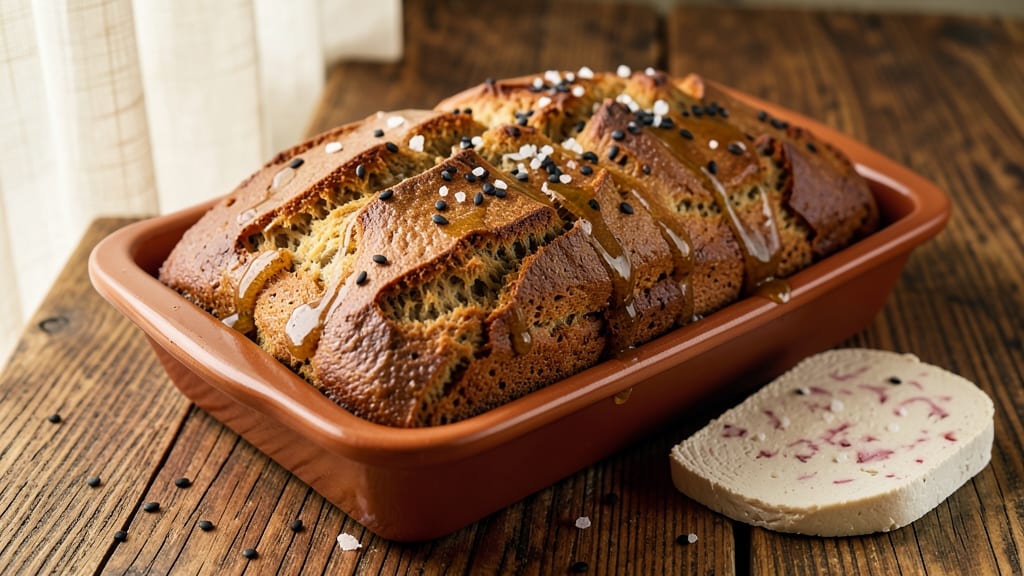
This nutrient-packed gluten-free teff bread delivers the perfect balance of earthy depth and satisfying texture—without a hint of gluten. 💛 Teff flour isn’t just a trend; it’s a nutritional powerhouse, packed with iron, protein, and fiber while offering a naturally gluten-free profile when using certified teff.
What makes this recipe stand out is its foolproof method for achieving a tender crumb with a crisp exterior, even for beginners.
The secret lies in the hydration and resting time—teff dough behaves differently than wheat, requiring patience for optimal texture. With just 8 simple ingredients, this loaf bakes up golden and aromatic, ready to pair with spreads, soups, or even toasted with avocado.
The earthy flavor of teff shines through without overpowering, making it versatile for any meal.
By the time you pull it from the oven, you’ll have a loaf that’s gluten-free yet sturdy enough to hold sandwiches or serve as a hearty side. The crumb stays moist for days, while the crust develops a satisfying crunch.
This isn’t just bread—it’s a nutrient boost wrapped in flavor, proving gluten-free doesn’t mean sacrificing texture or taste.
Optional variations include adding seeds for extra crunch or a touch of honey for subtle sweetness. Perfect for meal prep or gifting, this recipe transforms pantry staples into something extraordinary. Let’s get baking!
Ingredients for teff bread
Eight ingredients to transform teff flour into a gluten-free loaf with restaurant-quality texture.
| Ingredient | Amount | Notes |
|---|---|---|
| Teff Flour 🌾 | 3 cups | Certified gluten-free, ivory or brown blend |
| Extra-Firm Tofu 🥬 | 1 lb | Crumbled for protein boost |
| Water 💧 | 1 ½ cups | Room temperature preferred |
| Olive Oil 🫒 | ¼ cup | Extra-virgin for richness |
| Apple Cider Vinegar 🍎 | 1 tbsp | For dough elasticity |
| Instant Yeast 🍞 | 1 tbsp | Vegan-certified |
| Sea Salt 🧂 | 1 ½ tsp | Fine grain preferred |
| Sesame Seeds 🌰 | 2 tbsp | For topping, optional |
Teff flour is the cornerstone—Bob's Red Mill or Anthony's Goods offer certified gluten-free versions with consistent quality. The ivory variety yields a lighter crumb, while brown adds subtle earthiness. Store-bought teff flour often sits in bulk bins at Whole Foods or Sprouts, but online retailers like Amazon provide larger quantities. For optimal results, sift the flour before mixing to eliminate clumps. The extra-firm tofu isn't just a protein substitute; its crumbly texture mimics egg structure while adding moisture retention. Wildwood or Nasoya brands deliver reliable consistency, though any organic tofu will work.
No teff flour? Buckwheat flour at a 1:1 ratio mimics the earthy profile, though texture will differ slightly. Substitute tofu with mashed chickpeas for a similar protein boost, though hydration levels may require adjustment. Olive oil can be swapped for avocado oil without flavor compromise, but avoid coconut oil—its strong taste overpowers teff's subtlety. The apple cider vinegar is non-negotiable for gluten-free dough development; balsamic vinegar at half quantity works in a pinch. For yeast, Red Star Vegetarian Yeast ensures reliable fermentation without animal byproducts. Sesame seeds can be omitted or replaced with sunflower seeds for a nut-free option.
Freshly mixed dough requires 2 hours of resting at room temperature to develop gluten-free elasticity. Store dough in an airtight container lined with parchment paper for up to 24 hours before baking. Baked loaves maintain freshness for 4-5 days when wrapped in a clean kitchen towel, while slices toast beautifully for 3 days. For longer storage, freeze the loaf in slices—reheat in a toaster or oven for 5 minutes at 350°F to restore crispiness. The crumb stays moist for days, making this ideal for meal prep.
Why You'll Love This Recipe
- Five-Ingredient Magic: I swear, this bread comes together with fewer ingredients than my grocery list on lazy Sundays. The tofu blends into the batter so smoothly—no weird lumps, no fuss—just a hearty, satisfying loaf that tastes like it took hours.
- Earthy Crunch Surprise: That nutty teff flour gives it a depth you won’t find in regular bread. Honestly, the apple cider vinegar ties it all together with a tangy kick that makes every bite feel like a little flavor upgrade. (Yes, even on toast.)
- Packable & Portable: Between us, this bread is my new lunchbox hero. It holds up perfectly for days—no soggy middle, no weird textures—so I pack slices for work or hikes without second-guessing. The olive oil keeps it moist, but it’s still sturdy enough to wrap around sandwiches.
- Budget Bread Boost: Teff flour might sound fancy, but it’s way cheaper than buying artisanal loaves, and tofu stretches the dough for two loaves. I’ve made this for breakfast, snacks, and even as a side for dinner—no waste, just versatility. My wallet thanks me.
Step-by-step instructions for gluten-free teff bread
Transform simple ingredients into a robust, earthy loaf with this precise method.
👨🍳 Step 1: Create the Tofu Base for Elasticity
Drain the 1 lb extra-firm tofu thoroughly and wrap it in a clean kitchen towel. Press between two heavy books or a tofu press for 15 minutes until all excess water is removed. This step is critical—it prevents a gummy texture in your bread.
Transfer the pressed tofu to a food processor and pulse until you achieve a smooth, crumbly consistency resembling coarse sand. The goal is to mimic the protein structure of traditional bread dough. If using a blender, pulse in short bursts to avoid overheating the motor.
In a separate bowl, whisk together the 1.5 cups water, 0.25 cup olive oil, 1 tbsp apple cider vinegar, and 1.5 tsp sea salt. The vinegar acts as a natural tenderizer, while the olive oil adds moisture and richness to the gluten-free structure. Let this liquid mixture sit for 5 minutes to allow the salt to fully dissolve.
🍳 Step 2: Combine Wet and Dry Ingredients
In the food processor with the crumbled tofu, add the 3 cups teff flour and pulse to blend. Create a well in the center and pour in the wet ingredient mixture. Process on low speed until the dough begins to form a shaggy mass that pulls away from the sides of the bowl.
Here's where it gets technical: Add the 1 tbsp instant yeast and pulse just until combined. Avoid overmixing—this gluten-free dough develops structure differently than wheat-based dough. The mixture should resemble thick, sticky batter with small flour streaks visible. If it's too dry, add 1 tablespoon water at a time until it reaches a workable consistency.
Transfer the dough to a lightly oiled bowl, cover with a damp towel, and let it rest at room temperature for 30 minutes. This initial rise allows the yeast to activate and the flour to hydrate fully. You'll notice the dough become slightly puffier and more cohesive during this time.
🥘 Step 3: Shape and First Rise
Lightly oil your hands and the dough to prevent sticking. Gently fold the dough over itself 3-4 times to develop structure, then shape it into a 9x5-inch loaf pan by pressing firmly along the bottom and sides. The dough will be sticky—this is normal—but it should hold its shape when pressed.
Cover the loaf pan with a damp towel and let it rise in a warm place for 1-1.5 hours, or until it has nearly doubled in volume. The edges should pull away slightly from the pan, and you'll see small bubbles forming on the surface. If your kitchen isn't warm enough, place the pan near a turned-off oven light bulb to accelerate the rise.
Real talk: If the dough doesn't rise much, it's likely because your kitchen is too cold. Teff flour requires warmth to activate properly. Don't skip this step—rushing leads to dense bread.
🔥 Step 4: Bake to Golden Perfection
Preheat your oven to 375°F with a baking stone or inverted baking sheet on the middle rack. This creates steam that helps the bread develop a crisp crust. Brush the risen loaf with a little olive oil and sprinkle the 2 tbsp sesame seeds evenly over the top for texture and flavor.
Bake for 35-40 minutes until the bread reaches an internal temperature of 205°F and the top is deep golden brown. Tap the loaf gently—the sound should be hollow, indicating it's fully baked. If the top browns too quickly, tent loosely with foil after 20 minutes to prevent over-browning.
The reason we wait until 205°F is that teff bread continues cooking slightly after removal. This higher temperature ensures complete moisture evaporation and proper texture development. Let the bread cool in the pan for 10 minutes before transferring to a wire rack.
⏰ Step 5: Rest and Slice for Optimal Texture
Allow the bread to cool completely on the wire rack for at least 1 hour before slicing. This resting period is crucial—it allows the internal structure to set properly, preventing a gummy texture when you cut into it. The bread will firm up as it cools, developing that satisfying crusty exterior and tender crumb.
Slice the loaf with a serrated knife and serve warm for the best experience. This bread pairs beautifully with soups, spreads, or as a side to hearty meals. Store wrapped at room temperature for 2-3 days or freeze slices for up to 3 months. The flavor actually improves slightly as it stales, developing deeper earthy notes.
Pro Tips For Making Teff Bread
- Soften the tofu first: Pressing extra-firm tofu for 20 minutes between paper towels removes enough moisture to prevent a soggy, gluey batter—trust me, I’ve made the mushy version. Skip this, and your bread will turn out dense instead of light.
- Mix vinegar last: Teff flour reacts fast to acid, so add apple cider vinegar just before baking to keep the batter from curdling prematurely. I learned this after watching my first batch turn into a thick, unusable paste mid-mix.
- Preheat the pan low: Teff bread needs gentle heat to rise properly—start with a nonstick skillet on medium-low (around 300°F) and adjust as needed. Cranking it too high will burn the outside before the inside cooks, and nobody wants a charred teff pancake.
- Use room-temperature water: Cold water makes teff flour clump like glue; warm (not hot) water blends smoothly for a consistent texture. I was skeptical until I tried it—now I swear by it, especially in cooler kitchens.
Creative variations of this dish
Sweet & Savory Twist
Add 1 tablespoon maple syrup or agave nectar to the wet ingredients for a subtle sweetness that pairs beautifully with savory toppings like smoked almond butter or fig jam.
I like to sprinkle 1 teaspoon cinnamon into the dough for warmth—this variation works especially well with breakfast pairings like almond butter and banana slices. 🌟
Herb-Infused Variations
For a Mediterranean-inspired loaf, mix 1 tablespoon dried rosemary or thyme directly into the teff flour before combining with wet ingredients. Fresh herbs like cilantro or dill add brightness—just chop 2 tablespoons and fold them into the dough after the first rise.
This version shines when paired with hummus and roasted vegetables.
Seed & Nut Boost
Incorporate texture with ¼ cup ground flaxseeds or chia seeds mixed into the teff flour for extra fiber and omega-3s. For crunch, fold ¼ cup chopped walnuts or sunflower seeds into the dough after shaping.
I recommend toasting the seeds first in 1 teaspoon olive oil for 3 minutes at 350°F to enhance flavor. 💫
Spiced Chai Version
Transform your loaf into a spiced chai-inspired treat by adding ½ teaspoon ground cardamom, ½ teaspoon ginger, and ¼ teaspoon cloves to the wet ingredients.
A pinch of black pepper balances the sweetness. This variation pairs perfectly with masala chai tea or spiced apple butter for a cozy dessert or breakfast option.
Savory Garlic & Herb
For a robust savory loaf, infuse the dough with 2 minced garlic cloves and 1 tablespoon chopped fresh parsley after the first rise. Add ½ teaspoon onion powder to the dry ingredients for depth. This version excels with olive tapenade or whipped feta and cucumber for a Mediterranean-inspired meal.
Cacao & Orange Zest
Create a decadent treat by adding 2 tablespoons cocoa powder and 1 teaspoon orange zest to the dry ingredients. A pinch of sea salt enhances the chocolate notes.
This rich variation works as a dessert loaf—slice and toast with vanilla coconut yogurt or dark chocolate drizzle. The orange zest brightens the earthy teff beautifully. 🍫
Nutrition facts
Frequently asked questions
Why does my teff bread turn out dense instead of light?
Teff flour requires proper hydration and resting time—skipping the 30-minute initial rest or 1-1.5 hour rise leads to dense bread. The tofu base needs time to develop structure, and teff absorbs moisture differently than wheat. Use a warm spot for rising (like near an oven light bulb) and avoid overmixing the dough.
Can I substitute teff flour with another gluten-free flour?
While teff's earthy flavor is unique, you can try a 1:1 ratio with buckwheat flour for similar texture. For better rise, blend 50% teff with 50% sorghum or brown rice flour. However, teff's high protein and iron content will be lost. The vinegar and tofu base remain essential for structure in gluten-free baking.
How do I store teff bread to keep it fresh longer?
Wrap the cooled loaf in a clean kitchen towel (not plastic) and store at room temperature for 4-5 days. For longer storage, freeze slices wrapped in parchment paper. To revive, toast frozen slices for 3-5 minutes at 350°F until crisp. The towel wrapping prevents staling better than containers.
Why does my teff bread taste bitter?
Overbaking or using brown teff flour (more earthy) can cause bitterness. Bake until internal temp reaches 205°F but no longer. For milder flavor, use ivory teff flour or reduce baking time by 2-3 minutes. The sesame seeds on top shouldn't burn either—remove them after 20 minutes if browning too quickly.
Can I make teff bread without tofu?
Yes! Replace the tofu with ½ cup mashed chickpeas or ¼ cup ground flaxseed mixed with ⅓ cup water (let sit 5 minutes to gel). These alternatives add moisture and binding properties. The dough may need 1 extra tablespoon water for workability. For best texture, use the flaxseed method for lighter crumb.