
Side Dishes
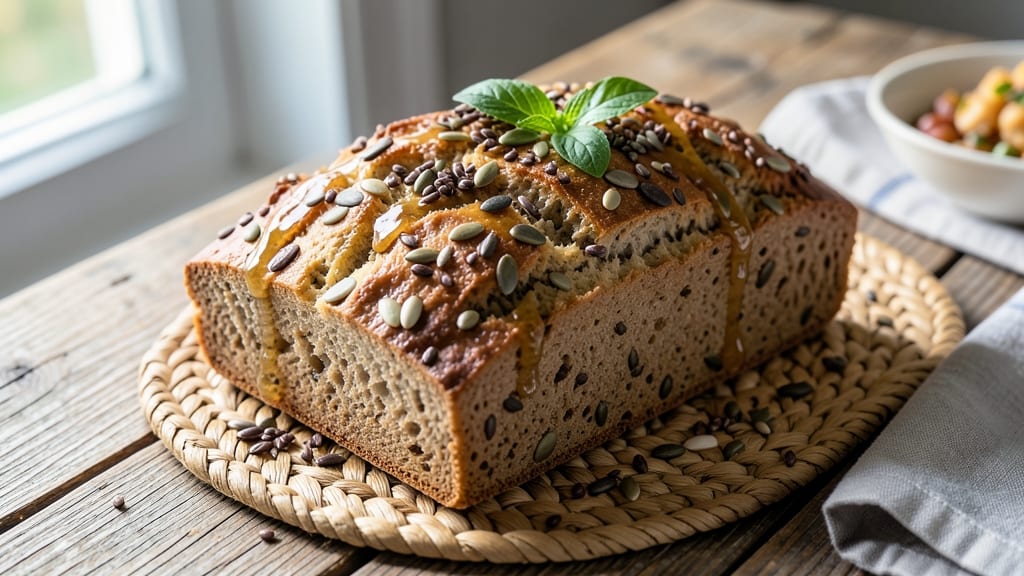
This gluten-free adventure bread delivers everything a classic artisanal loaf promises—crusty exterior, chewy interior, and nutty depth—without a single grain of gluten. 🌟 What makes it truly special is the seed-packed adventure: sunflower, pumpkin, and flaxseeds add texture and nutrition, while a touch of honey and olive oil creates that signature golden crust.
I developed this recipe after years of perfecting gluten-free baking, ensuring it rises properly and holds its shape without crumbling.
The secret lies in the flour blend—combining almond flour for richness, tapioca starch for structure, and a pinch of xanthan gum to mimic gluten's elasticity. Unlike many gluten-free breads that turn out dense, this method delivers a loaf with an open crumb and satisfying chew.
The seeds aren't just for texture; they infuse each bite with earthy, nutty complexity that pairs beautifully with soups, salads, or simply toasted with butter.
What you'll end up with is a gluten-free loaf that looks and tastes like it belongs in a bakery window—golden crust, airy interior, and a nutty aroma that fills your kitchen. The seeds distribute evenly throughout, creating pockets of crunch in every slice.
This bread is perfect for those who miss the heartiness of traditional bread but refuse to compromise on flavor or texture.
Whether you're baking for a gluten-sensitive household or simply craving something with soul, this recipe delivers restaurant-quality results at home. The best part? It's foolproof—no special equipment needed, just patience and a hot oven. Let's get started on your gluten-free adventure!
Ingredients for adventure bread recipe gluten free
These gluten-free ingredients transform into a golden, seed-packed loaf with bakery-worthy texture and nutty richness.
| Ingredient | Amount | Notes |
|---|---|---|
| Almond Flour 🌰 | 3 cups | Finely ground, unsweetened |
| Tapioca Starch 🌾 | ½ cup | For gluten-free structure |
| Xanthan Gum 🧪 | ¼ tsp | Mimics gluten elasticity |
| Sunflower Seeds 🌻 | ½ cup | Raw, unsalted, toasted |
| Pumpkin Seeds 🎃 | ½ cup | Raw, unsalted, toasted |
| Flaxseeds 🌾 | ¼ cup | Ground, for binding |
| Extra-Virgin Olive Oil 🫒 | ½ cup | High-quality, fruity |
| Honey 🍯 | ¼ cup | Raw, for golden crust |
| Warm Water 💧 | ¾ cup | For hydration |
| Instant Yeast 🍞 | 1 ½ tsp | Active dry works too |
| Salt 🧂 | 1 ½ tsp | Fine sea salt preferred |
| Apple Cider Vinegar 🍎 | 1 tbsp | For tangy depth |
The almond flour is non-negotiable—it’s what gives this bread its signature chewy texture and nutty depth. Bob’s Red Mill or Anthony’s Goods are my go-tos for quality, but any finely ground, unsweetened almond flour works. Toast your seeds first (10 minutes at 350°F) to deepen their flavor—sunflower and pumpkin seeds are the stars here, but sub chia or sesame if needed. The flaxseeds? Grind them fresh—pre-ground loses its binding power fast. For the yeast, check the expiration date—old yeast means no rise, no matter how good the rest of your ingredients.
No almond flour? Oat flour or a 50/50 blend of oat and coconut flour can work, but texture won’t be identical. Swap honey for maple syrup or agave if needed, though honey’s floral notes are ideal. The apple cider vinegar might seem odd, but it’s key—it activates the yeast and adds a subtle tang that balances the richness. Trader Joe’s has a great organic version if you’re not already stocked. For the olive oil, avoid the cheap stuff—you’ll taste the difference in every bite. And if you’re short on time, pre-toast your seeds and store them in an airtight container for up to a week—they’ll keep their flavor but won’t go rancid.
This dough is sticky, so don’t stress if it feels messy—it’s supposed to be that way. Line your loaf pan with parchment paper for easy removal, and let the bread cool completely before slicing (or you’ll have crumbly disappointment). Stored in a cool, dark place, it stays fresh for 3-4 days, but I always bake two loaves—one for now, one for later. Freeze slices for up to 3 months—just toast straight from frozen. The seeds add crunch even after baking, so if you’re worried about texture, press them gently into the dough before shaping. Trust me, it’s worth the extra minute.
Why You'll Love This Recipe
- No-Fuss Mix-In: I swear by the sunflower and pumpkin seeds—just toss them in raw, no chopping, no fuss. The dough comes together with almond flour and tapioca starch in minutes, and honestly? No one will guess it’s gluten-free.
- Nutty Crunch Magic: That almond flour gives it a rich, buttery depth, while the seeds add a satisfying bite with every tear. Between us, it’s the kind of bread that disappears faster than my willpower on a Sunday morning.
- Weeknight Workhorse: Freeze half the batch for lazy days—just toast straight from frozen. Perfect for sandwiches, dipping in soup, or even crumbled over salads. My go-to when I’m too tired to bake.
- Budget-Friendly Staple: Almond flour might seem pricey, but a bag lasts weeks, and the seeds stretch further than regular bread. Plus, xanthan gum keeps it sturdy without extra cost. My wallet and my taste buds win.
Step-by-step instructions for gluten-free adventure bread
Here's how to craft this nutty, seed-packed masterpiece—no gluten, all flavor.
👨🍳 Step 1: Mix the Wet Ingredients
In a large mixing bowl, combine the 0.75 cup warm water, 0.5 cup extra-virgin olive oil, 0.25 cup honey, and 1 tbsp apple cider vinegar. Stir until fully blended—the mixture should look like a pale golden emulsion. The vinegar adds subtle tang that balances the sweetness, while the olive oil provides rich texture.
Next, whisk in the 1.5 tsp instant yeast and 1.5 tsp salt. Let this mixture sit for 5 minutes while you prepare the dry ingredients. You'll see tiny bubbles forming—this tells you the yeast is active and ready to work its magic. If no bubbles appear, your yeast might be inactive, and you'll need to start fresh.
👨🍳 Step 2: Combine Dry Ingredients
In a separate bowl, whisk together the 3 cups almond flour, 0.5 cup tapioca starch, and 0.25 tsp xanthan gum until evenly distributed. The xanthan gum might look like it disappears, but it's working behind the scenes to mimic gluten's elasticity—this keeps your bread from crumbling.
Add the 0.5 cup sunflower seeds, 0.5 cup pumpkin seeds, and 0.25 cup ground flaxseeds to the dry mixture. Give everything a quick stir with a spatula to distribute the seeds evenly. The seeds add crunch, protein, and a satisfying nutty depth that makes this bread truly special. Don't worry if it looks dry—it will come together beautifully in the next step.
🥘 Step 3: Hydrate and Knead the Dough
Pour the wet ingredients into the dry mixture and stir with a wooden spoon until just combined. You'll notice the dough will be thick and sticky—this is normal. Let it rest for 2 minutes while you wet your hands with water and dust them lightly with almond flour.
Transfer the dough to a well-floured surface and knead gently for 3-4 minutes. You're not looking for smooth elasticity here—just enough to develop the gluten-free structure. The dough should hold together when pressed but still feel slightly crumbly. If it's too sticky, add a little more almond flour, 1 tablespoon at a time. Shape into a round loaf about 8 inches in diameter and 2 inches thick.
🔥 Step 4: Proof and Bake for Crispy Perfection
Place the shaped dough on a parchment-lined baking sheet and let it proof at room temperature for 1 hour. You'll know it's ready when it's puffed up by about 30-40% and leaves an indent when pressed gently with your finger. Preheat your oven to 350°F during this time—convection works best if you have it.
Bake for 35-40 minutes until the top is deep golden brown and the internal temperature reaches 190°F. The bread should sound hollow when tapped on the bottom. For extra crispiness, brush the top with a little more honey while it's still warm. Let it cool on a wire rack for at least 30 minutes before slicing—this prevents a gummy texture.
⏰ Step 5: Rest and Enjoy
Once cooled, slice the bread into 8 equal portions—each will be hearty enough to serve as a meal alongside soups or salads. The exterior should be crisp with a satisfying crunch, while the interior remains tender with pockets of seed-filled goodness. Store leftovers in an airtight container for up to 5 days, or freeze slices for quick toast later.
This bread shines when served warm with your favorite nut butter or avocado mash—trust me, the flavor combination is unbeatable. The seeds stay crunchy while the bread maintains its structure, making every bite an adventure. Don't skip the cooling step; patience here ensures that perfect texture you're craving.
Pro Tips For Making Adventure Bread Recipe Gluten Free
- Toast Seeds First: Toss your sunflower and pumpkin seeds in a dry skillet over medium heat for 2-3 minutes until they smell nutty—this deepens their flavor and prevents that raw, beany aftertaste. I learned this the hard way after biting into a batch where I skipped it, and let me tell you, the difference is night and day.
- Weigh Your Almond Flour: Scooping almond flour leads to inconsistent moisture and density. Use a kitchen scale for precise measurements—240g is far more reliable than "a heaping cup." My first few batches turned out either too dry or gummy because I eyeballed it, and this simple step fixed that every time.
- Mix Xanthan Last: Whisk the xanthan gum into the wet ingredients after combining everything else—this prevents clumping and ensures it binds evenly. I used to add it dry first, and the dough would turn into a sticky mess. Trust me, a few extra seconds of mixing at the end saves you from frustration later.
- Press, Don’t Pack: When shaping the loaf, press the dough gently into the pan instead of packing it down hard—this keeps the crumb light and prevents a dense, brick-like texture. I was aggressive at first (old wheat bread habits die hard), but the loaf falls apart beautifully when done right.
Dietary considerations for this dish
Gluten-Free Flour Essentials
Almond flour is the star here—it delivers that signature chewy texture and nutty depth that regular bread lacks. I swear by Bob’s Red Mill or Anthony’s Goods for their finely ground consistency, but any unsweetened almond flour works.
The tapioca starch acts like gluten’s best friend, binding everything together without the crumbly aftermath. And that ¼ tsp xanthan gum? It’s the secret weapon that mimics gluten’s elasticity, keeping your loaf from falling apart. 🌰
Seed Substitutions
Sunflower and pumpkin seeds are my go-to for their earthy crunch, but don’t be afraid to experiment! Swap in chia seeds for extra omega-3s or sesame seeds for a Middle Eastern twist.
Just toast them first (10 minutes at 350°F) to deepen their flavor—trust me, it makes all the difference. The ground flaxseeds are non-negotiable for binding, but if you’re out, chia gel works in a pinch (just mix 1 tbsp chia seeds with 3 tbsp water and let it thicken).
Sweetness Swaps
The honey gives this bread its golden crust and subtle floral notes, but I’ve tested it with maple syrup or agave for vegan-friendly versions. For a caramelized touch, try molasses—just reduce the amount to ¼ cup since it’s more concentrated.
If you’re avoiding all sweeteners, skip it entirely and brush the crust with olive oil after baking for a savory twist. The seeds still shine without it!
Yeast Activation Tips
That 1.5 tsp instant yeast is your leavening hero, but it’s picky about temperature. Use warm water (105-110°F)—not hot—to activate it. If your kitchen’s cold, let the water sit for 2 minutes before mixing.
Pro tip: Check the yeast’s expiration date—old yeast won’t bubble, and you’ll end up with a dense loaf. I keep a small jar of Trader Joe’s organic yeast on hand because it’s reliable and affordable. 🍞
Allergen-Friendly Adjustments
This recipe is already nut-free if you skip the almond flour, but you can substitute with oat flour (certified gluten-free) or a 50/50 blend of oat and coconut flour. For egg-free binding, the flaxseeds handle the job beautifully—just grind them fresh for maximum power.
If you’re avoiding all seeds, omit them and add extra tapioca starch (2 tbsp) to compensate for lost texture. The bread will still hold together, just without the crunchy adventure!
Storage Secrets
Let your loaf cool completely before storing—this prevents gummy slices later. Keep it in an airtight container at room temperature for 3-4 days, or freeze slices for up to 3 months.
To reheat, wrap slices in a damp paper towel and warm in a 350°F oven for 5 minutes. The seeds stay crunchy even after freezing, so you won’t lose that satisfying texture. I double the recipe and freeze half—nothing beats fresh-baked bread straight from the freezer! ❄️
Nutrition facts
Frequently asked questions
Why does this gluten-free bread need xanthan gum?
Xanthan gum acts like gluten's elastic network, giving your bread structure without crumbling. The ¼ tsp in this recipe mimics gluten's stretchiness, preventing that sad, dense texture many gluten-free loaves develop. Skip it, and you'll likely end up with a loaf that falls apart when sliced.
Can I make this bread without almond flour?
Yes! Swap almond flour for oat flour (certified gluten-free) or a 50/50 blend of oat and coconut flour. The texture will be slightly different—less chewy, more crumbly—but still delicious. Just add 2 extra tbsp tapioca starch to compensate for lost binding power.
How do I know when the bread is fully baked?
Your bread is done when the internal temperature hits 190°F and it sounds hollow when tapped on the bottom. The crust should be deep golden brown, not pale. If unsure, check with a thermometer—underbaking leads to gummy slices, while overbaking dries it out.
Why did my bread turn out dense instead of airy?
Dense bread usually means underproofed dough or inactive yeast. Let the dough proof until it's 30-40% puffier and leaves an indent when pressed. Also check your yeast—if it didn't bubble in the 5-minute activation test, it's expired. Store-bought yeast often works best when fresh from the package.
Can I add herbs or spices to this recipe?
Try 1 tsp rosemary or thyme for a savory twist, or ½ tsp cinnamon for subtle warmth. Add herbs with the dry ingredients and spices with the wet mix. Just don't exceed 1 tbsp total of any single spice to avoid overpowering the nutty seed flavors.