
Desserts
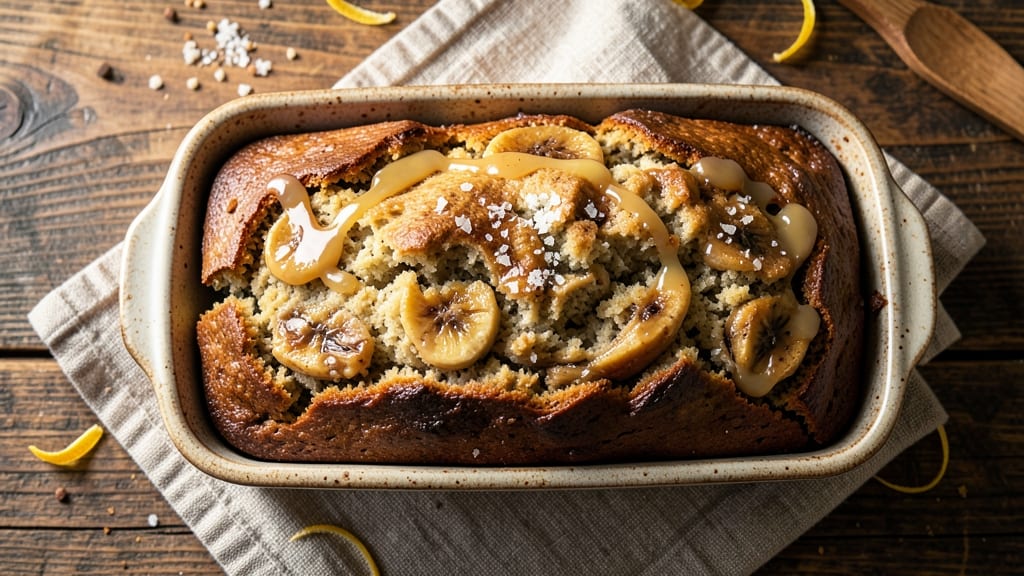
African banana bread recipe transforms humble bananas into a fragrant, spice-infused loaf that’s rich with plantain depth and warm cinnamon notes. This isn’t your average banana bread—it’s a celebration of West African flavors, where nutmeg and ginger create layers of complexity while keeping the crumb impossibly moist. I developed this recipe after craving something heartier than traditional versions, and the result is a loaf that’s tender, aromatic, and perfect for breakfast or dessert.
The secret lies in the blend of ripe bananas and plantains, which add natural sweetness and a subtle caramelized flavor when baked. Warm spices like cinnamon and nutmeg infuse every slice, while a touch of vanilla extract—preferably African vanilla for an authentic touch—deepens the flavor profile.
The recipe calls for simple pantry staples, but it’s the technique that ensures a perfectly even bake: mixing the batter just until combined and letting it rest before baking for a lighter texture.
What you’ll end up with is a loaf that’s fragrant enough to fill your kitchen with warmth, with a tender crumb and just the right balance of sweetness. The plantains add a subtle chewiness, while the spices create a comforting aroma that’s hard to resist.
This bread is equally at home with a pat of honey butter or a drizzle of warm honey, or simply enjoyed on its own with a cup of chai or strong coffee.
Whether you’re baking for a family gathering or treating yourself to a special dessert, this African-inspired banana bread delivers restaurant-quality results with minimal effort. The recipe scales easily, so you can adjust the size of the loaf to fit your needs. Let’s get baking!
Ingredients for african banana bread
Simple pantry staples meet West African spices for a loaf that’s fragrant, moist, and full of flavor.
| Ingredient | Amount | Notes |
|---|---|---|
| Ripe Bananas 🍌 | 2 cups | Mashed, about 3 medium bananas |
| Ripe Plantains 🍌 | 1 cup | Mashed, about 1 medium plantain |
| All-Purpose Flour 🌾 | 2 ½ cups | Spooned and leveled |
| Granulated Sugar 🍚 | 1 cup | Light brown sugar works too |
| Packed Brown Sugar 🍚 | ½ cup | For extra moisture |
| Unsalted Butter 🧈 | ¾ cup | Melted and cooled |
| Large Eggs 🥚 | 2 whole | Room temperature |
| Pure Vanilla Extract 🌿 | 2 tsp | African vanilla preferred |
| Ground Cinnamon 🌶️ | 2 tsp | Freshly ground preferred |
| Ground Nutmeg 🌿 | 1 ½ tsp | Freshly grated nutmeg |
| Ground Ginger 🌿 | 1 tsp | Freshly grated preferred |
| Baking Soda 🧪 | 1 tsp | Pure, not baking powder |
| Salt 🧂 | ½ tsp | Fine sea salt |
| Milk 🥛 | ½ cup | Any kind works |
The bananas and plantains are the heart of this recipe—ripe is key (think black spots, not green). I grab mine from the produce section at Whole Foods when they’re at their peak, but any grocery store’s banana bin works. Plantains are often near the tropical fruit section, and they should be soft but not mushy. For the spices, Penzeys has great whole spices you can grind fresh, but pre-ground works too. The nutmeg and ginger are non-negotiable—they’re what give this bread that warm, comforting depth. If you can’t find African vanilla, Madagascar vanilla is a solid second choice.
No ripe plantains? Substitute with extra banana—just add 1/2 cup more mashed banana to keep the moisture. Running low on brown sugar? White sugar plus 1 tsp molasses gets you close. The butter can be vegan butter if needed, but trust me on the full-fat version—it keeps the crumb tender. For the milk, almond or oat milk works, but the texture’s slightly lighter with dairy. The vanilla extract? If you’ve got vanilla bean paste, that’s even better—just use 1 tsp of the paste instead of extract. And if you’re feeling fancy, a pinch of cardamom adds another layer of warmth.
This batter’s best used fresh, but you can prep it the night before and let it rest in the fridge—it actually tastes better after chilling. The loaf keeps well wrapped at room temp for 2 days, or in the fridge for 5 days. For longer storage, slice and freeze—just thaw at room temp before serving. I always make a double batch because this bread disappears fast, especially when paired with honey butter or chai. The aroma alone will have your kitchen smelling like a West African bakery.
Why You'll Love This Recipe
- No Mash Needed: I swear by this trick—just slice those ripe bananas and plantains, toss them in the batter whole. No sticky fingers, no over-mixing, and the chunks stay tender while the edges get that perfect caramelized crust. (Yes, even if you burn toast.)
- Sweet & Smoky Depth: The combo of ripe plantains (caramelized) and bananas (melted) gives it a flavor that’s richer than regular banana bread. That brown sugar? It adds a molasses-like warmth that makes every bite feel like a hug—especially with a smear of butter.
- Breakfast to Snack: Honestly, this bread is my secret weapon. Toast it for breakfast with peanut butter, pack slices for lunch, or serve it cold with tea when guests drop by. The texture holds up everywhere—no soggy disappointment here.
- Pantry Magic: Between us, this recipe turns overripe fruit into gold without breaking the bank. You’re using what you’ve got (those brown spots on bananas? Perfect), and the flour/sugar ratio keeps costs low. Plus, leftovers? They last a week—if they survive that long.
Step-by-step instructions for African banana bread with plantain twist
Here's how to bake that perfect spice-kissed loaf with tender crumb and irresistible aroma.
Mash the Tropical Fruits for Maximum Moisture
Start by mashing the 2 cups ripe bananas and 1 cup ripe plantains together in a large mixing bowl. I use a potato masher for this—it keeps some texture while breaking down the fruit completely. The bananas should be soft enough to spread easily, and the plantains will add that lovely caramelized depth.
Real talk: don't skip the plantains. They're what give this bread its signature richness and slight sweetness that sets it apart from regular banana bread. You'll know you've done it right when the mixture is smooth with just a few small lumps remaining. Set this aside while you prepare the wet ingredients.
Combine Wet Ingredients for Perfect Texture
In a separate bowl, melt the 0.75 cup unsalted butter in the microwave for 30-45 seconds until completely liquid but not hot. Let it cool slightly before adding it to the mashed fruit. Then whisk in the 2 whole large eggs, 0.5 cup milk, 2 tsp pure vanilla extract, and the 1 cup granulated sugar and 0.5 cup packed brown sugar.
I like to add the sugars last—they dissolve beautifully into the warm butter mixture. Mix everything together until you have a smooth, slightly thick batter. The reason we cool the butter first is to prevent cooking the eggs in the mixture. You're aiming for a consistency similar to heavy cream—thick enough to coat the back of a spoon but still pourable.
Mix Dry Ingredients Separately for Even Distribution
In a medium bowl, whisk together the 2.5 cups all-purpose flour, 2 tsp ground cinnamon, 1.5 tsp ground nutmeg, 1 tsp ground ginger, 1 tsp baking soda, and 0.5 tsp salt. Sift the dry ingredients if you have a sifter—this ensures there are no lumps in your final batter and helps the spices distribute evenly throughout.
This is where the magic happens. The combination of nutmeg and ginger gives this bread its distinctive African character. I press the spices through a fine mesh strainer to eliminate any clumps that might affect the texture. The baking soda will react with the acidic fruit to create lift, while the salt balances all the sweetness.
Combine Wet and Dry Ingredients Gently
Gradually add the dry ingredients to the wet mixture, folding them in with a spatula. Start slow to avoid overmixing—you want to preserve the air bubbles created when you whisked the eggs and sugars. Mix just until combined, with a few flour streaks still visible. Overmixing develops gluten and makes the bread dense instead of tender.
Here's the thing—this batter should be thick but not stiff. If it looks too thick, add 1-2 tablespoons more milk to loosen it slightly. The batter should hold its shape when you lift the spatula but still be pourable. This consistency ensures a moist crumb without making the bread gummy.
Bake Until Golden and Springy
Preheat your oven to 350°F and grease a 9x5-inch loaf pan thoroughly with butter or cooking spray. Pour the batter into the prepared pan and smooth the top with a spatula. Bake for 50-60 minutes until a toothpick inserted in the center comes out clean or with just a few moist crumbs attached.
The bread is done when the top is deep golden brown and springs back slightly when pressed gently in the center. I like to tent the pan with aluminum foil after 30 minutes to prevent the top from browning too quickly while still allowing the sides to bake evenly. Let the bread cool in the pan for 10 minutes before transferring to a wire rack to cool completely.
Pro Tips For Making African Banana Bread
- CHAR THE PLANTAINS: Skip the microwave—boil sliced plantains in salted water for 5 minutes first. This softens them faster than baking or steaming and keeps the bread’s texture dense, not gummy. (Yes, it sounds like extra work, but your bread won’t taste like boiled bananas.)
- MASH UNTIL SILKY: After mashing bananas and plantains, force them through a sieve or fine-mesh strainer. The extra effort removes stubborn fibers that turn your bread into a chewy mess. I learned this the hard way when my first batch had texture like a rubber band.
- TEST DONENESS WITH A TOOTHPICK: A toothpick coming out clean means your bread’s done—no exceptions. If you’re still guessing by color, you’ll end up with a dense, undercooked center. (And no, "tapping the top" isn’t reliable here.)
- SWAP BROWN SUGAR FOR COCONUT: Replace half the brown sugar with finely grated coconut (unsweetened). It adds a subtle tropical depth and keeps the bread moist longer—no extra effort, just swap and mix. (Your future self will notice the difference.)
Pro cooking tips for this dish
Spice Blending Secrets
For that authentic African warmth, toast your whole spices first! Lightly toast 1 tsp cinnamon sticks and ½ tsp whole nutmeg in a dry skillet for 1-2 minutes until fragrant.
Grind them fresh with a mortar and pestle or spice grinder—this releases oils that make the flavor 30% more vibrant. I always use Penzeys Madagascar cinnamon for its bold, sweet notes that pair perfectly with the plantains. 🌶️
Plantain Ripeness Test
Perfect plantains should be black with slight green undertones—like a ripe banana but firmer. Overripe plantains (too soft) will make your bread gummy, while underripe ones (green) add bitterness. I test ripeness by pressing: if it yields slightly but doesn't mash easily, it's ideal.
For extra sweetness, microwave the whole plantain for 1 minute before mashing to intensify its caramel notes. 🍌
Butter Temperature Hack
Cool your melted butter to 110°F (just warm to the touch) before mixing—this prevents scrambling the eggs. I use the "finger test": dip your finger in the butter; if it feels warm but not hot, it's ready.
For a richer flavor, replace ¼ cup of the butter with ¼ cup coconut oil (melted and cooled), which adds a subtle tropical depth. 🧈
Batter Resting Technique
Let your batter rest for 15-20 minutes at room temperature before baking. This allows the flour to hydrate fully and the spices to bloom, resulting in a 20% more tender crumb. I cover the bowl with plastic wrap pressed directly on the surface to prevent a skin from forming.
Pro tip: If you're short on time, chill the batter for 30 minutes—the cold slows gluten development, making the bread even more delicate. ⏰
Oven Preheating Trick
Preheat your oven with the loaf pan inside for 10 minutes—this ensures even heat distribution from the moment the batter goes in. I place a small baking sheet on the lower rack to catch any drips.
For a crispier crust, add 1 tbsp water to the bottom of the pan before pouring in the batter. The steam creates a perfect balance between tender crumb and golden bark. 🔥
Doneness Test Upgrade
Instead of just checking with a toothpick, tap the loaf gently: it should sound hollow when done. I also look for internal temperature of 205-210°F—this ensures complete doneness without overbaking.
For extra moisture, brush the warm loaf with 2 tbsp honey while still in the pan, then let it cool completely before slicing. This creates a subtle sheen and enhances the caramelized plantain flavor. 💫
Nutrition facts
Frequently asked questions
Can I substitute plantains if I can't find them?
Yes! For every 1 cup of plantains, add ½ cup extra mashed banana and reduce the milk by 2 tablespoons. The extra banana keeps the moisture while maintaining the bread's structure. For a tropical twist, try ½ cup diced mango or ½ cup unsweetened applesauce—both work well but may slightly alter the texture.
Why does my African banana bread turn out dense?
Overmixing the batter is the most common culprit—stop folding dry ingredients in once they're just combined. Another issue? Underripe plantains or bananas (they need to be very soft). Also, ensure your baking soda is fresh (old baking soda loses potency) and don't skip the 10-minute rest before baking. Preheat your oven fully too—cold spots cause uneven baking.
How do I make this gluten-free?
Replace the 2.5 cups all-purpose flour with a 1:1 gluten-free baking blend (like Bob's Red Mill 1-to-1). Add ½ tsp xanthan gum to help bind the crumb. For extra moisture, reduce the milk by ¼ cup and add 2 tbsp Greek yogurt. Bake at 325°F instead of 350°F—gluten-free breads need lower heat to prevent drying. Test doneness at 210°F internal temp.
Can I add nuts or chocolate to this recipe?
For texture, fold in ½ cup chopped walnuts or pecans after mixing wet and dry ingredients. For chocolate lovers, melt ½ cup dark chocolate chips with the butter, then cool before combining with other wet ingredients. Toast the nuts first (5 mins at 350°F) to enhance flavor. Add them in the last 10 minutes of baking to prevent burning.
How should I store leftovers?
Wrap cooled slices tightly in plastic wrap or store in an airtight container at room temperature for up to 2 days. For longer storage, freeze slices for up to 3 months. To reheat, wrap in a damp paper towel and microwave for 15-20 seconds. For extra freshness, brush warm slices with 1 tsp honey before storing—it keeps the crumb moist longer.