
Side Dishes
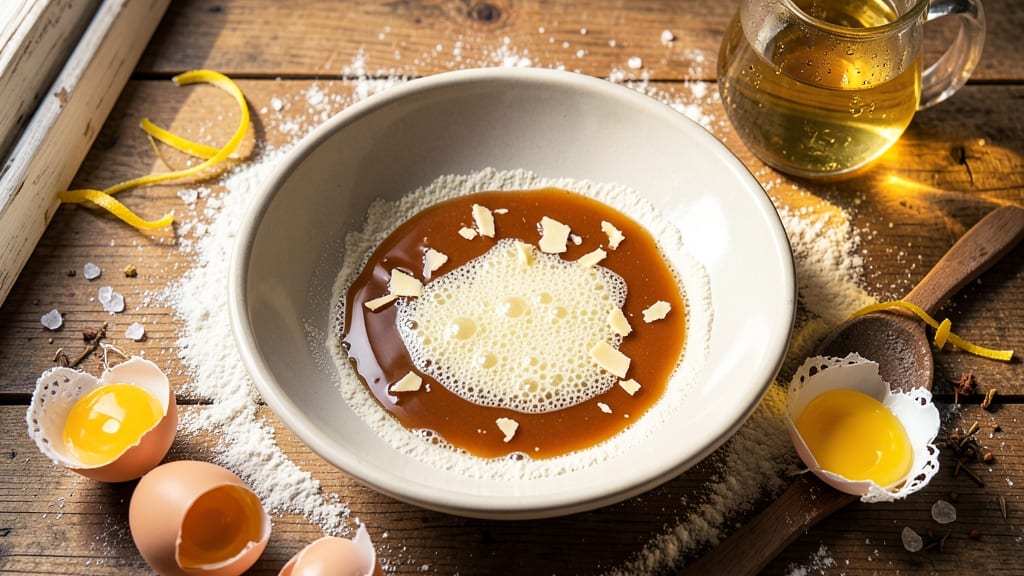
This airy French bread recipe delivers the perfect balance of light, pillowy crumb and a satisfyingly crisp crust—just like your favorite Parisian bakery. The secret lies in precise dough preparation, proper proofing, and baking with steam to create that iconic French texture.
I've perfected this method over years of baking, and it never fails to impress.
What sets this recipe apart is the traditional French technique of using just four simple ingredients—flour, water, yeast, and salt—combined with the right kneading and shaping methods. The dough develops incredible structure during a long, slow fermentation, resulting in that signature airy interior.
Baking at high heat with steam creates that beautiful golden crust with an irresistible crunch.
By following these steps, you'll achieve a loaf with an open crumb structure and a crisp exterior that's perfect for dipping in olive oil or butter.
The aroma alone will fill your kitchen with the scent of fresh-baked bread, and every bite will be a testament to the beauty of simple, traditional baking techniques.
Whether you're serving this with soups, charcuterie, or simply enjoying it with butter, this recipe delivers professional-quality results at home. Let's get started on creating your perfect baguette.
Ingredients for airy french bread
Four staples transform into the lightest French bread—just like Parisian bakeries do.
| Ingredient | Amount | Notes |
|---|---|---|
| All-Purpose Flour 🌾 | 4 cups | King Arthur or similar high-gluten |
| Active Dry Yeast 🍞 | ¼ oz | Fresh yeast if available (1 packet) |
| Granulated Sugar 🍚 | ½ tbsp | Feeds yeast for activation |
| Large Eggs 🥚 | 1 whole | Room temperature preferred |
| Unsalted Butter 🧈 | ¼ cup | Cold, cubed for dough enrichment |
| Warm Water 💧 | 1 ¼ cups | 105-110°F, not boiling |
| Kosher Salt 🧂 | 1 ½ tsp | Diamond Crystal preferred |
| Cornmeal 🌽 | ½ cup | For dusting work surface |
| Olive Oil 🫒 | 1 tbsp | For final brush on crust |
| Ice Cubes ❄️ | ½ cup | For creating steam in Dutch oven |
The flour is everything here. King Arthur or similar high-gluten flour gives that signature open crumb—all-purpose works but won't be quite as airy. Yeast matters too: check expiration dates—old yeast won't activate properly. The water temperature is critical: too hot kills the yeast, too cold won't wake it up. I always use a kitchen thermometer for this. For the butter, grab the coldest sticks from the fridge—you want it to stay in chunks during kneading. The egg adds richness and helps bind the dough without making it too sticky.
No yeast? Sourdough starter at 1 tbsp works in a pinch (double the flour). Short on butter? Olive oil at half the amount keeps it tender. The sugar can be swapped for honey or maple syrup if you prefer. For salt, Diamond Crystal is ideal—it dissolves more easily than table salt. The cornmeal is non-negotiable for dusting—it prevents sticking better than flour. And that final olive oil brush? Use the good stuff—it makes the crust shine and adds flavor.
This dough needs time—plan for at least 2 hours of proofing at room temp or overnight in the fridge. Shape it gently to avoid knocking out air bubbles. For the Dutch oven, heat it empty first to create steam. The ice cubes create extra steam when you add them—don't skip this. Bread keeps 3 days at room temp wrapped in a towel, or 1 week frozen. Toast it within 2 days of freezing for best texture.
Why You'll Love This Recipe
- No-Knead Magic: I swear by this trick—just mix the flour, yeast, sugar, and warm water, then let it rest while I make dinner. The dough practically proofs itself, and the result? That pillowy, airy crumb you’d expect from hours of kneading, but with zero elbow grease.
- Butter Kiss: A single stick of cold, cubed butter folded into the dough before baking? That’s what makes it good. The flakes melt into golden pockets, and every bite has that rich, buttery satisfaction—like a hug from a Parisian bakery.
- Weeknight Workhorse: Toss it in a loaf pan for sandwiches, tear it into croutons for salads, or freeze half for toast later. I keep a batch in the fridge just for this—because nothing beats fresh bread, but sometimes you need it to pull double duty.
- Budget Baked Gold: Flour, eggs, yeast—these are pantry staples that stretch farther than store-bought. A single batch feeds my family for days, and the leftovers? Toasted with jam or dipped in olive oil? Absolute treasure. (Yes, even on a Tuesday night.)
Step-by-step instructions for airy French bread
This method delivers a loaf so light it practically floats—with that perfect crispy crust.
Activate the Yeast for Maximum Rise
In a small bowl, combine the 1.25 cups warm water (test with your finger—it should feel like bathwater) with the 0.5 tbsp granulated sugar and 0.25 oz active dry yeast. Let it sit for 5-10 minutes until frothy. You'll see tiny bubbles forming at the surface—this means your yeast is alive and ready to work its magic.
If nothing happens after 10 minutes, your yeast might be dead. In that case, start fresh with a new packet. This step is non-negotiable—proper yeast activation is what gives your bread that signature airy texture. Once bubbly, proceed immediately to avoid over-proofing.
Mix the Dough Until Silky Smooth
In a large bowl, whisk together the 4 cups all-purpose flour and 1.5 tsp kosher salt. Make a well in the center and pour in the yeast mixture, 1 whole large egg, and 0.25 cup cold cubed butter. Using a wooden spoon, stir until a shaggy dough forms.
Transfer the dough to a stand mixer fitted with the dough hook attachment. Knead on medium speed for 5-7 minutes until the dough becomes smooth, elastic, and pulls away from the bowl. You're looking for a dough that's slightly tacky but not sticky—this indicates proper gluten development. If it's too sticky, add 1 tablespoon flour at a time until it reaches the right consistency.
First Rise for Light, Airy Texture
Lightly grease a large bowl with 1 tablespoon olive oil and place the dough inside. Cover with a damp kitchen towel and let rise in a warm place for 1-1.5 hours, or until doubled in size. The dough should feel light and springy when pressed gently with one finger—it should leave a slight indentation that slowly fills back in.
I like to place my bowl on top of my turned-off oven with the light on (the light generates warmth) for consistent rising. Avoid cold drafts or direct sunlight, as these can affect the rising time. Patience here pays off—this first rise develops the structure that will give your bread its signature pillowy interior.
Shape and Second Rise for Structure
Punch down the risen dough to release any air bubbles, then turn it out onto a surface dusted with 0.5 cup cornmeal. Gently shape the dough into a 16x12-inch rectangle, then roll it tightly into a log starting from the long side. Pinch the seam to seal, then fold the ends under to form a neat loaf shape.
Place the shaped loaf seam-side down on a parchment-lined baking sheet. Cover loosely with plastic wrap and let rise for another 30-45 minutes until it puffs up noticeably. The dough should feel firm to the touch and spring back slowly when pressed. This second rise ensures your bread maintains its shape during baking while keeping that light interior.
Bake with Steam for Crispy Crust
Preheat your oven to 450°F. While it heats, place 0.5 cup ice cubes in a small oven-safe dish. When the oven reaches temperature, carefully place the baking sheet on the middle rack and immediately pour 1 tablespoon olive oil over the loaf. The ice cubes will create steam, which helps develop that beautiful crispy crust.
Bake for 20-25 minutes until the bread is deep golden brown and sounds hollow when tapped on the bottom. For that perfect crust, I like to spray the oven walls with water during the last 5 minutes of baking to maintain steam. Remove from the oven and let cool on a wire rack for at least 15 minutes before slicing—this prevents a gummy interior.
Pro Tips For Making Airy French Bread
- Dissolve Butter in Warm Water: I learned this the hard way—adding cold butter straight to the dough makes it fight you. Instead, melt the butter in warm water (about 100°F) until it’s liquid but not greasy, then mix it into the dough. The butter incorporates smoothly, giving you that signature flaky, airy texture without fighting gluten development.
- Use Room-Temp Eggs: Cold eggs sink like stones in dough and slow fermentation. Take your eggs out of the fridge 30 minutes before mixing—just enough to let them warm to room temperature. The dough will come together faster, and the egg will distribute evenly, helping with that light, airy crumb.
- Skip the Over-Kneading: After burning three batches with dense, tough bread, I finally stopped kneading like a maniac. This dough only needs about 8-10 minutes by hand (or 5-6 minutes in a stand mixer with the dough hook) until it’s smooth and slightly tacky. Overworking it develops too much gluten, which kills that delicate, airy French bread texture you’re after.
- Let the Dough Rise Twice: Yes, even if you’re impatient like me. The first rise (about 1-2 hours) builds bulk, but the second rise (after shaping, another 1-2 hours) is what makes the bread truly airy. Cover it loosely with a towel—don’t seal it—and let it puff up almost to double. This second rise is non-negotiable for that light, pillowy interior.
Best sauces and condiments for this recipe
Classic Garlic-Herb Oil
Drizzle freshly baked French bread with a mix of 2 tbsp extra-virgin olive oil, 1 minced garlic clove, 1 tsp dried rosemary, and a pinch of sea salt.
Let it soak in for 5 minutes before serving—this simple combo enhances every bite without overpowering the bread's delicate flavor. I like to use California avocado oil for a neutral taste that lets the garlic shine. 🌿
Butter and Honey Spread
Warm 2 tbsp unsalted butter with 1 tbsp local honey until melted, then brush generously over warm bread. The honey adds natural sweetness that balances the bread's crusty texture perfectly. For extra richness, add a pinch of flaky sea salt—this is my go-to for breakfast or dessert-style bread. 🍯
Whole-Grain Mustard Dip
Mix 3 tbsp Dijon mustard with 2 tbsp crème fraîche and a splash of lemon juice for a tangy dip that pairs beautifully with French bread.
The mustard's sharpness cuts through the bread's richness while adding depth. I often serve this with charcuterie boards or as a side for soups. 🥫
Olive Tapenade
Blend ½ cup pitted Kalamata olives, 1 tbsp capers, 1 minced garlic clove, and 2 tbsp olive oil until chunky. Spread this Mediterranean-inspired tapenade on slices for a briny, flavorful bite. The olives' natural saltiness enhances the bread's crust without needing extra seasoning. 🫒
Sweet Almond Butter
Spread 2 tbsp natural almond butter (no added sugar) on toasted bread slices, then drizzle with 1 tsp maple syrup. The nutty richness complements the bread's airy texture beautifully. I love this combo for a quick breakfast or snack—it's naturally sweet and satisfying. 🌰
Spicy Harissa Cream
Combine 2 tbsp Greek yogurt with 1 tsp harissa paste and a pinch of smoked paprika for a creamy, spicy spread. The heat from the harissa wakes up the bread's crust while the yogurt adds cooling contrast. Perfect for those who enjoy a little kick with their bread. 🌶️
Nutrition facts
Frequently asked questions
Why does my French bread turn out dense instead of airy?
Dense bread usually means the gluten didn't develop properly or the yeast didn't activate fully. Make sure your yeast is fresh (test it first) and your water is 105-110°F. Knead for 5-7 minutes until the dough is smooth and elastic—this builds the structure needed for an airy crumb. Also, don't skip the proofing time; the dough needs 1-1.5 hours to rise properly.
Can I make this bread without a stand mixer?
By hand, knead the dough on a lightly floured surface for 8-10 minutes, pressing and folding it until it becomes smooth and springy. Work in short bursts to avoid overheating your hands—this prevents the yeast from dying. The key is consistent pressure to develop gluten, just like with a mixer.
How do I get that perfect crispy crust without a Dutch oven?
Create steam by placing a metal bowl filled with 1 cup boiling water on the oven rack below your bread. Alternatively, spray the oven walls with water during the last 5 minutes of baking. For extra crunch, brush the loaf with 1 tbsp olive oil before baking and bake at 450°F for 20-25 minutes—the high heat is essential for that signature crust.
Can I use whole wheat flour instead of all-purpose?
You can substitute up to 50% whole wheat flour, but expect a denser texture. Whole wheat absorbs more water and lacks the elasticity of all-purpose flour, which can affect the airy crumb. If using whole wheat, increase the water by 1-2 tablespoons and add 1 extra tablespoon of olive oil to keep the dough tender. For best results, stick to all-purpose for that classic French texture.
How long can I keep this bread fresh?
Wrap the cooled loaf in a clean kitchen towel and store at room temperature for 2-3 days. For longer storage, freeze the bread (sliced or whole) for up to 3 months. To revive, toast slices in a 375°F oven for 5-7 minutes until crispy. The crust stays fresh longer than the soft interior, so toast within 2 days of freezing for best results.