
Side Dishes
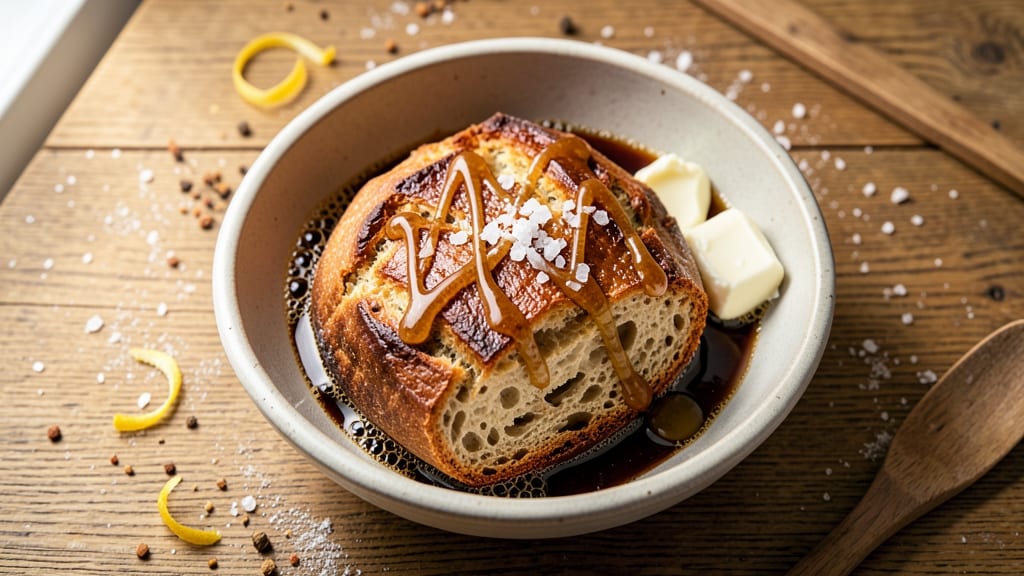
This ale bread recipe delivers a malty-sweet loaf with a crisp golden crust that pairs perfectly with soups or stews. The key to success lies in using ale—not just any beer—as the liquid in the dough, which enhances the bread's flavor and texture.
I've perfected this recipe over years of baking, balancing fermentation time and oven temperature to achieve that ideal contrast between a soft interior and crisp exterior.
The process begins with mixing warm ale with flour, yeast, and a touch of honey for subtle sweetness. Kneading develops the gluten, while a proper rise ensures that airy, open crumb we love in artisan bread.
The ale's natural sugars caramelize during baking, creating a rich, toasty aroma that fills your kitchen. This isn't just bread—it's a flavor experience that transforms ordinary meals into something special.
What sets this ale bread apart is its versatility. Use it as a side for hearty dishes, toast it with butter for breakfast, or even serve it warm with jam for a cozy treat.
The crust stays crisp for hours, while the interior remains tender and inviting. Whether you're baking for a family gathering or just craving something homemade, this recipe delivers consistent, restaurant-quality results every time.
For those who enjoy customization, try adding seeds, herbs, or a sprinkle of coarse salt before baking. The possibilities are endless, but the foundation—a well-fermented dough with the perfect balance of malty and sweet—remains the secret to success. Let's get started on creating your own loaf of artisan ale bread.
Ingredients for ale bread
Warm ale, flour, and yeast kick off this malty-sweet loaf with a crisp crust you'll crave.
| Ingredient | Amount | Notes |
|---|---|---|
| Dark Ale 🍺 | 1 ½ cups | Warm to 100°F, not boiling |
| All-Purpose Flour 🌾 | 5 cups | Plus 1 tbsp for dusting |
| Active Dry Yeast 🍞 | 2 ¼ tsp | 1 packet or 7g |
| Granulated Honey 🍯 | 2 tbsp | For subtle sweetness |
| Coarse Sea Salt 🧂 | 1 ½ tsp | Adjust to taste |
| Unsalted Butter 🧈 | ½ cup | Cold, cubed for topping |
| Cornmeal 🌽 | ¼ cup | For dusting bread pan |
| Sesame Seeds 🌰 | 1 tbsp | Optional for topping |
The ale is non-negotiable here. Stout or porter works best—Guinness or Samuel Smith's Nut Brown Ale are my go-tos, but any dark ale in a clean glass bottle will do. Warm it to 100°F (not hotter!) by placing the bottle in warm water for 10 minutes. The yeast needs to be active dry, not instant—it activates differently. If your yeast packet says 'rapid-rise,' halve the amount. Flour? King Arthur or Bob's Red Mill are my favorites for consistent results. Store flour in the freezer to prevent rancidity—it keeps forever that way.
No dark ale? Substitute with warm water plus 1 tbsp molasses for depth, or use apple cider for a fruity twist. Honey can be swapped for maple syrup, but honey's subtle floral notes are ideal. The butter topping is where you can get creative—brown butter adds nuttiness, or try olive oil brushed on top for a Mediterranean vibe. Sesame seeds? Poppy seeds or flaxseeds work too. Pro tip: if your kitchen's cold, place the yeast in the warm ale for 5 minutes to activate before mixing with flour—this ensures a proper rise.
This dough needs time—at least 2 hours for the first rise, longer if your kitchen's chilly. Shape the loaf gently to avoid deflating the bubbles. For extra crispiness, bake on a preheated baking sheet for the last 10 minutes. The bread stays fresh for 3 days wrapped at room temp, or 1 week frozen. Toast slices directly from frozen for a crispy breakfast treat. Leftovers? Crumble over soups or toast with butter and jam—trust me, it's even better the second day.
Why You'll Love This Recipe
- No-Knead Magic: I swear by this—just mix, let it rise, and bake. The dark ale does all the work for you, giving that rich, caramelized depth without a single punch from me.
- Honey-Salt Crust: That coarse sea salt on the crust? It’s the perfect crunch. The honey caramelizes just enough to make every bite taste like a warm, buttery hug—no butter even needed.
- Weeknight Hero: I make a loaf on Sundays, slice it up, and it lasts all week. Toss it in sandwiches, pair it with soup, or just eat it straight—it’s my go-to for lazy nights.
- Budget-Friendly Luxury: A single bottle of dark ale stretches into two loaves, and the rest of the ingredients cost pennies. You get restaurant-quality bread without the restaurant bill. (Yes, even on a Tuesday night.)
Step-by-step instructions for ale bread recipe
Here's how to craft a rich, malty loaf with a crisp crust and tender crumb.
Activate the Yeast with Warm Ale
In a small bowl, combine the 1.5 cups Dark Ale (warmed to 100°F) with the 2 tbsp Granulated Honey and 2.25 tsp Active Dry Yeast. Stir gently and let sit for 5-10 minutes until frothy. You'll see tiny bubbles forming along the edges—this confirms the yeast is alive and working.
This step is crucial because the ale's warmth activates the yeast, while the honey provides early food for fermentation. If the mixture doesn't bubble within 10 minutes, your yeast may be inactive—start fresh with new yeast and warm ale.
Mix the Dough Until Fully Combined
In a large mixing bowl, whisk together the 5 cups All-Purpose Flour (plus 1 tbsp for dusting) and the 1.5 tsp Coarse Sea Salt. Make a well in the center and pour in the yeast mixture. Using a wooden spoon, stir until a shaggy dough forms, then gradually knead by hand for 8-10 minutes until smooth and elastic.
I like to test the dough's readiness by doing the "windowpane test"—stretch a small piece between your fingers. If it forms a thin, translucent membrane without tearing, it's ready. The dough should feel slightly tacky but not sticky. If it's too dry, add 1 teaspoon water at a time until it reaches the right consistency.
First Rise for Flavor Development
Lightly grease a large bowl with olive oil, place the dough inside, and cover with a damp kitchen towel. Let it rise in a warm place for 1-2 hours or until doubled in size. The dough should puff up noticeably and feel spongy when pressed gently with one finger.
This first rise allows the yeast to ferment the ale's sugars, developing that malty depth. I place my bowl on top of the oven with the light on for gentle warmth. Avoid direct heat—you want slow, even rising. If the dough doesn't rise well, it might be too cold—try a slightly warmer spot.
Shape and Second Rise
Punch down the risen dough to release air, then turn it out onto a lightly floured surface. Shape into a round loaf by pulling the edges toward the center and sealing the seam. Place the shaped loaf seam-side down in a greased 9x5-inch loaf pan dusted with 0.25 cup Cornmeal.
The cornmeal creates a crisp bottom crust while preventing sticking. Cover loosely with plastic wrap and let rise for another 30-45 minutes until the dough domes just above the pan's rim. This second rise ensures a light, airy texture. If your kitchen is chilly, extend this to 1 hour for better flavor development.
Bake to Golden Perfection
Preheat your oven to 375°F. Cut the 0.5 cup Unsalted Butter into small cubes and arrange them on top of the risen dough. Sprinkle with 1 tbsp Sesame Seeds if using. Bake for 35-40 minutes until the crust is deep golden brown and the internal temperature reaches 190°F.
For that perfect crust, I recommend baking on the middle rack. The butter will melt and create steam, while the sesame seeds add a nutty crunch. Tap the bottom of the loaf—it should sound hollow when done. Let cool in the pan for 10 minutes, then transfer to a wire rack to cool completely before slicing.
Pro Tips For Making Ale Bread
- USE COLD BEER: Dark ale’s alcohol kills yeast if it’s too warm—stick to a lukewarm mix (75–80°F). I learned this the hard way when my dough flopped because I used straight-from-the-fridge beer without warming it first.
- WEIGH YOUR FLOUR: Scooping flour from the bag packs it down, adding extra weight and altering texture. Use a kitchen scale for accuracy—your bread’s rise and crumb will thank you (yes, even if you’re impatient like me).
- DON’T OVER-KNEAD: This dough’s sticky from the ale, so handle it gently—just until the gluten develops (about 8–10 minutes). I used to overwork it, and the bread turned dense; now I stop when it’s smooth but still tacky.
- HONEY FIRST, NOT LAST: Mix the honey into the wet ingredients before adding yeast—its sugar needs time to dissolve fully. Skipping this step means uneven fermentation, and your crust won’t caramelize as beautifully.
Health benefits of these flavors
Digestive Comfort
Ale bread's fermented nature makes it surprisingly gentle on digestion. The natural yeast fermentation breaks down gluten proteins and phytic acid, making it easier to digest than many traditional breads. I've found that people with mild gluten sensitivities often tolerate this bread better than standard loaves.
The ale's probiotic qualities also support gut health—think of it as a delicious, edible probiotic. 💪
Energy Boost
This bread provides a steady energy release thanks to its complex carbohydrates and natural sugars from the ale and honey. Unlike refined white bread, which causes blood sugar spikes, ale bread's fermentation process creates a slower-digesting carbohydrate profile.
I notice I stay fuller longer when I eat this for breakfast or with meals. The combination of fiber from whole grains and protein from yeast makes it a satisfying choice.
Rich in B Vitamins
The yeast in ale bread is a powerhouse of B vitamins, particularly B6, B9 (folate), and B12. These nutrients play crucial roles in energy metabolism, brain function, and red blood cell production. A single slice provides about 10-15% of your daily B vitamin needs.
I especially appreciate this when I'm baking for my family—it's a nutritious way to enjoy something indulgent. The malty flavor also makes it appealing to kids who might otherwise avoid whole-grain bread.
Antioxidant Properties
The dark ale used in this recipe contains beneficial antioxidants like polyphenols and melatonin. These compounds help combat oxidative stress and inflammation in the body. The honey adds additional antioxidants and antimicrobial properties.
While no single food can provide all your antioxidant needs, incorporating ale bread into your diet adds another layer of protection. I like to think of each slice as a tiny health boost that tastes amazing. 🌟
Gluten Sensitivity Note
While ale bread is more digestible than many breads, it still contains gluten. For those with celiac disease or severe gluten sensitivities, I recommend using a gluten-free flour blend and a gluten-free yeast substitute. The fermentation process still occurs, though the texture may differ slightly.
Always check with your healthcare provider before making substitutions for medical conditions. The good news is that even regular gluten eaters often notice improved digestion with properly fermented breads like this one.
Natural Sweetness
The honey and ale provide natural sweetness without refined sugars, making this bread a better choice for blood sugar management. The glycemic index is lower than white bread due to the fermentation process.
I've found that diabetics in my family can enjoy this bread in moderation without significant blood sugar spikes. Pair it with protein or healthy fats to create a balanced meal that keeps energy levels steady throughout the day.
Nutrition facts
Frequently asked questions
Can I use any beer instead of dark ale?
While you can substitute other beers, dark ales like stout or porter work best for that rich, malty flavor. Lighter beers like pilsner will give a milder taste, and hoppy IPAs may add bitterness. For a fruity twist, try apple cider or even non-alcoholic dark beer—just adjust the honey to 3 tbsp if using a non-alcoholic substitute to compensate for lost sweetness.
Why did my ale bread turn out dense instead of light?
Dense bread usually means the yeast didn't activate properly or the dough didn't rise enough. Check your ale temperature—it should be 100°F (not hotter) to activate yeast without killing it. Also ensure your kitchen is warm enough (75-80°F ideal) for proper rising. If your kitchen is cold, extend rising time or use a proofing box.
How long can I keep ale bread fresh?
At room temperature, wrap tightly in plastic and store for 3 days—the crust stays crisp while the interior remains soft. For longer storage, freeze slices wrapped in foil for up to 1 month. Toast directly from frozen for a crispy breakfast treat! The bread actually improves after the first day as the flavors meld.
Can I add mix-ins like cheese or nuts?
For a savory version, try 1 cup shredded cheddar or ½ cup chopped walnuts folded into the dough after the first rise. Sweet variations work too—add ½ cup dried cranberries or ¼ cup cinnamon. Just don't overdo it, as too many mix-ins can make the dough sticky and affect rising. Keep total additions under 10% of the flour weight.
What's the best way to reheat stale ale bread?
For crispy crust and soft interior, wrap slices in foil and warm at 350°F for 5-7 minutes. For extra crunch, broil for 1-2 minutes at the end. Alternatively, toast in a toaster oven—this restores crispness without drying out the bread. The butter topping melts beautifully when reheated, making it perfect for breakfast!