
Side Dishes
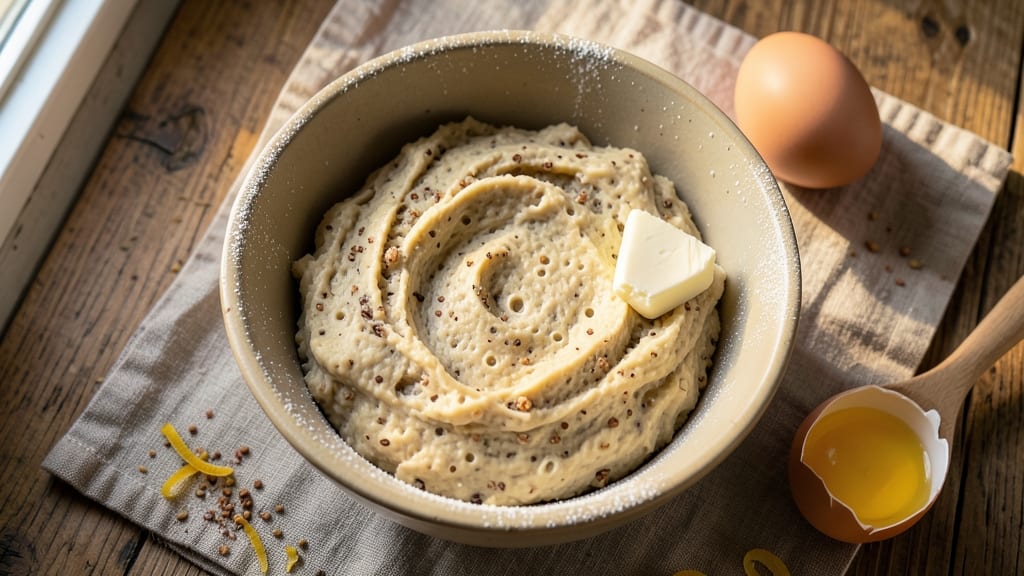
This all-purpose sourdough bread recipe delivers restaurant-quality results with minimal effort—perfect for sandwiches, toast, or French toast. The secret lies in a no-knead method that develops deep flavor while creating an airy crumb and crisp crust, all without the need for specialized equipment or years of experience.
I've refined this technique over countless batches, ensuring reliability whether you're a beginner or seasoned baker.
What sets this recipe apart is its versatility—the same dough works for artisan loaves, dinner rolls, or even pizza crust, all while maintaining that signature sourdough tang and open crumb structure.
The process begins with maintaining an active starter, then moves through a simple autolyse and bulk fermentation that does most of the work for you. This isn't just bread; it's a foundation for countless meals.
By the time you pull that golden-brown loaf from your oven, you'll have a bread with crisp edges and a tender interior, capable of holding up to grilled cheeses or soaking up soups with equal grace.
The fermentation process enhances digestibility while building complex flavors that improve with each day the bread sits. This is the kind of bread that transforms ordinary meals into something special.
Whether you're making sandwiches for lunch or dinner rolls for a family gathering, this recipe delivers consistent results with minimal active time. The beauty of sourdough lies in its patience—letting time work in your favor to create something extraordinary with simple ingredients. Let's get started on creating your perfect loaf.
Ingredients for all purpose sourdough bread
Simple ingredients, transformative results—this versatile sourdough dough creates restaurant-quality bread with minimal effort.
| Ingredient | Amount | Notes |
|---|---|---|
| Active Sourdough Starter 🍞 | ½ cup | 100% hydration, bubbly and aromatic |
| All-Purpose Flour 🌾 | 3 ½ cups | King Arthur or similar high-gluten |
| Whole Wheat Flour 🌾 | ½ cup | For added nutrition and texture |
| Granulated Sugar 🍚 | ½ tsp | Feeds starter for fermentation |
| Unsalted Butter 🧈 | ¼ cup | Cold, cubed for flavor and richness |
| Large Eggs 🥚 | 1 whole | Room temperature for even mixing |
| Diamond Crystal Kosher Salt 🧂 | 1 ½ tsp | Adjusts to taste after baking |
| Water 💧 | 1 ¼ cups | Room temperature, filtered preferred |
| Cornmeal 🌽 | ¼ cup | For dusting baking surface |
| Ice Water ❄️💧 | ¼ cup | For shaping and tension |
The sourdough starter is the heart of this recipe. For best results, maintain your starter with a consistent feeding schedule—King Arthur's sourdough starter guide is perfect if you're new to this. Look for a starter that's doubled in size within 4-6 hours after feeding, with plenty of bubbles and a tangy aroma. Whole Foods or local bakeries often sell reliable starters if you're starting from scratch. The flour matters too: high-protein all-purpose like King Arthur or Caputo creates that signature open crumb structure. Save the whole wheat for adding texture—too much can make the dough gummy.
No sourdough starter? Store-bought pizza dough with extra water can work in a pinch, but the flavor won't develop properly. Running short on whole wheat? Substitute with spelt flour at the same amount for similar texture. The butter is non-negotiable for that rich flavor—European-style butter like Plugrá has higher fat content and melts beautifully. Need to omit? Olive oil at half the amount works, though the texture will be slightly denser. The egg adds structure and shine, but if you're avoiding it, 1 tbsp ground flaxseed mixed with 3 tbsp water mimics the binding properties perfectly.
This dough improves with time—ferment it overnight in the fridge for deeper flavor, or bake it immediately for a quicker rise. Store finished loaves in a paper bag at room temperature for 2-3 days to maintain freshness, or freeze for up to 3 months. For dinner rolls, shape and bake immediately after bulk fermentation. The cornmeal prevents sticking during baking, but semolina works even better if you've got it. Leftovers? Toast them—sourdough toast with butter and jam is a game-changer for breakfast.
Why You'll Love This Recipe
- This bread handles everything: toast for breakfast, sandwiches that don’t fall apart, or even a quick French toast when I’m in a hurry. The whole wheat keeps it interesting, so it’s not just "plain bread" sitting in my fridge.
- No Stiff Dough: I swear by this mix—just 30 minutes of folding and resting, no kneading marathon. The whole wheat adds weight without the fuss, and that butter? It keeps things tender even when I forget to proof it long enough.
- Sweet Tang Magic: Honestly, the sugar isn’t just for flavor—it caramelizes just enough during baking to give the crust that golden crackle. Pair that with the starter’s funk and you’ve got a loaf that tastes like a bakery’s secret, not my kitchen.
- Weeknight Swiss Army Knife: This bread handles everything: toast for breakfast, sandwiches that don’t fall apart, or even a quick French toast when I’m in a hurry. The whole wheat keeps it interesting, so it’s not just "plain bread" sitting in my fridge.
Step-by-step instructions for all purpose sourdough bread
This no-knead method transforms simple ingredients into artisanal loaves with minimal effort.
Mix the Dough for Optimal Fermentation
In a large mixing bowl, combine the 0.5 cup active sourdough starter, 1.25 cups water, 3.5 cups all-purpose flour, 0.5 cup whole wheat flour, and 0.5 tsp granulated sugar. Stir with a wooden spoon until a shaggy dough forms—you'll see pockets of flour still visible, and that's perfect. The whole wheat flour adds subtle nuttiness while maintaining the bread's light texture.
Next, add the 1 whole large egg and 0.25 cup cold cubed unsalted butter. Mix gently until the butter begins to incorporate, then add 1.5 tsp diamond crystal kosher salt. The butter should remain in small chunks rather than fully melting—this creates pockets of richness in the finished loaf. Let the dough rest at room temperature for 15 minutes while you prepare your workspace. This brief rest helps the gluten begin to relax, making shaping easier later.
Shape and Score for Professional Results
Lightly dust a clean surface with 0.25 cup cornmeal—this prevents sticking and adds a subtle crunch to the bread's exterior. Transfer the dough to the surface and gently shape it into a round boule by pulling the edges toward the center. I like to use the "stretch and fold" technique here: grab one side of the dough, stretch it upward, and fold it over itself, rotating the dough as you work. Repeat this process 4-5 times until the dough feels smooth and elastic.
For scoring, use a sharp razor blade or lame. Dip it in water and make a ½-inch deep cut along the top of the boule. The tension in the dough will cause the cut to open beautifully during baking. Place the shaped loaf on a parchment-lined baking sheet and cover loosely with plastic wrap. Let it proof at room temperature for 1-2 hours until it has visibly risen by about 50%—you'll see the dough spring back slowly when gently pressed.
Bake with Steam for Crusty Perfection
Preheat your oven to 425°F with a Dutch oven inside for 45 minutes. This step is crucial—the Dutch oven traps steam, creating that iconic crust while keeping the interior moist. Once preheated, carefully transfer the dough (still on its parchment) into the hot Dutch oven. Bake covered for 30 minutes, then remove the lid and bake uncovered for another 15-20 minutes until the crust turns a deep golden brown.
Here's the thing about sourdough—it's done when the internal temperature reaches 205-210°F at the center. Use an instant-read thermometer to check, as visual cues can be deceiving. The bread should sound hollow when tapped on the bottom. If the top browns too quickly, tent it loosely with foil during the final baking phase to prevent over-browning while ensuring the interior cooks through.
Cool and Slice for Maximum Flavor Development
Remove the bread from the Dutch oven and let it cool on a wire rack for at least 1 hour before slicing. This resting period allows the steam inside to redistribute, preventing a gummy crumb. The crust will continue to crisp up as it cools, developing those complex caramelized flavors. If you can't resist, slice a small piece after 30 minutes—you'll notice how the crumb firms up beautifully while retaining its open, airy texture.
For serving, slice with a serrated knife and brush the cut surfaces with melted butter if desired. The combination of the tangy sourdough starter, buttery richness, and crisp crust makes this bread perfect for sandwiches, toast, or simply enjoyed with soup. Store wrapped at room temperature for up to 3 days, or freeze slices for quick toast later in the week.
Pro Tips For Making All Purpose Sourdough Bread
- WEIGH YOUR FLOURS: Mixing whole wheat and all-purpose flour by volume leads to inconsistent results—this recipe relies on the balance of their weights. Use a digital scale for precision, especially since whole wheat flour packs differently. I learned this after two batches where the bread turned dense; the scale fixed it every time.
- STRETCH AND FOLD AT 75°F: Your kitchen’s warmth matters more than you think. Perform the stretch-and-fold routine when the dough is between 75–77°F—use an instant-read thermometer if needed. Cold dough resists shaping, while warm dough overproofs faster; I’ve ruined batches by eyeballing it and ending up with gummy centers.
- KNEAD THE BUTTER IN: Don’t just melt the butter and pour it in—cut it into small cubes first and work them into the dough during the final mix. This creates pockets of fat that mimic laminated bread, giving your loaf a tender crumb. I was skeptical until I tried it; the difference in texture is noticeable.
- STEAM THE OVEN FIRST: Place a metal tray on the bottom rack and fill it with boiling water before baking. The steam helps the crust form evenly and prevents a dry top, which is especially important when using whole wheat flour. Skip this, and you’ll end up with a crust that’s too dark before the center is done—trust me, I’ve done it.
Perfect pairings for this all purpose sourdough bread
Butter and Jam
Nothing beats the classic combo of salted butter and fruit preserves on warm sourdough toast. I love using European-style butter like Plugrá—its high fat content melts beautifully while adding richness.
For jam, go for high-quality fruit spreads like Bonne Maman or St. Dalfour—their intense fruit flavors complement the bread's tangy notes. Try raspberry or apricot jam for a perfect balance of sweet and tart. 🍓
Grilled Cheese Perfection
This sourdough holds up beautifully to grilled cheese sandwiches. Use sharp cheddar and Gruyère for a classic combo, or go gourmet with Comté and Brie. Butter both sides of the bread generously before adding cheese—this creates a golden crust while keeping the interior gooey.
For extra decadence, add a slice of prosciutto or jam between the cheeses. The bread's open crumb structure soaks up all the melted goodness without getting soggy. 🧀
Soup Dippers
Thick soups like French onion or tomato basil become even better with this bread. I like to cut the sourdough into thick slices and toast them lightly before serving. The bread's crisp edges contrast perfectly with creamy soups while the airy interior soaks up every last drop.
For extra flavor, brush slices with garlic-infused olive oil before serving. The combination of the bread's tang and the soup's richness is pure comfort food magic. 🍲
Breakfast French Toast
Transform leftover sourdough into ultra-rich French toast using this recipe. Cut the bread into ½-inch thick slices and soak them in a mixture of 2 eggs, ¼ cup milk, 1 tsp vanilla, and 1 tbsp cinnamon.
Cook in butter over medium-low heat until golden brown. Top with powdered sugar and maple syrup for a breakfast that feels like a treat. The bread's structure holds up perfectly to the custardy egg mixture. 🍳
Dinner Rolls
Shape the dough into smaller rounds (about 4-inch diameter) for dinner rolls. Bake them in a muffin tin lined with parchment paper for easy release. These rolls pair perfectly with roast chicken, steak, or meatloaf.
For extra flavor, brush the tops with garlic butter before baking. The rolls stay soft for hours, making them ideal for family-style dinners. 🍽️
Pizza Crust
Roll out the dough into a ¼-inch thick circle for a rustic pizza crust. Top with san marzano tomato sauce, fresh mozzarella, and your favorite toppings. The sourdough's tang cuts through rich cheeses beautifully.
For extra crispiness, bake on a preheated pizza stone at 475°F for 12-15 minutes. The crust develops a perfect balance of chewiness and crispness. 🍕
Nutrition facts
Frequently asked questions
How do I know my sourdough starter is ready for this recipe?
Your starter should be active and bubbly, doubling in size within 4-6 hours after feeding with equal parts flour and water. It should have a pleasantly tangy aroma and pass the "float test"—drop a small spoonful in water; if it floats, it's ready to use! For best results, feed it 12-24 hours before mixing your dough.
Can I make this bread without a Dutch oven?
If you lack a Dutch oven, try baking on a preheated baking sheet with a metal bowl inverted over the loaf to trap steam. Alternatively, place a pan of boiling water on the lower oven rack during baking. The crust may be slightly less crisp, but the interior will still be tender and flavorful.
Why did my sourdough turn out dense instead of airy?
Dense bread usually results from underproofing (not enough fermentation time) or over-kneading. Since this is a no-knead recipe, skip vigorous mixing—the dough should look shaggy. Let it ferment longer (up to 12 hours in the fridge) for better rise. Also check your starter's strength—weak starter can't develop proper gluten.
How can I use this dough for dinner rolls instead of a loaf?
Divide the dough into 8-10 equal pieces (about 4 ounces each) and shape into small rounds. Place them in a muffin tin lined with parchment and let proof until doubled. Bake at 400°F for 15-18 minutes until golden. For extra flavor, brush tops with garlic butter before baking. These rolls stay soft for hours!
What's the best way to store leftover sourdough?
Wrap cooled bread in beeswax wrap or a cotton towel and store at room temperature for 2-3 days in a paper bag (plastic traps moisture). For longer storage, freeze slices wrapped in parchment—thaw at room temperature for 1-2 hours before toasting. The flavor actually improves over 24-48 hours as starches convert to sugars!