
Side Dishes
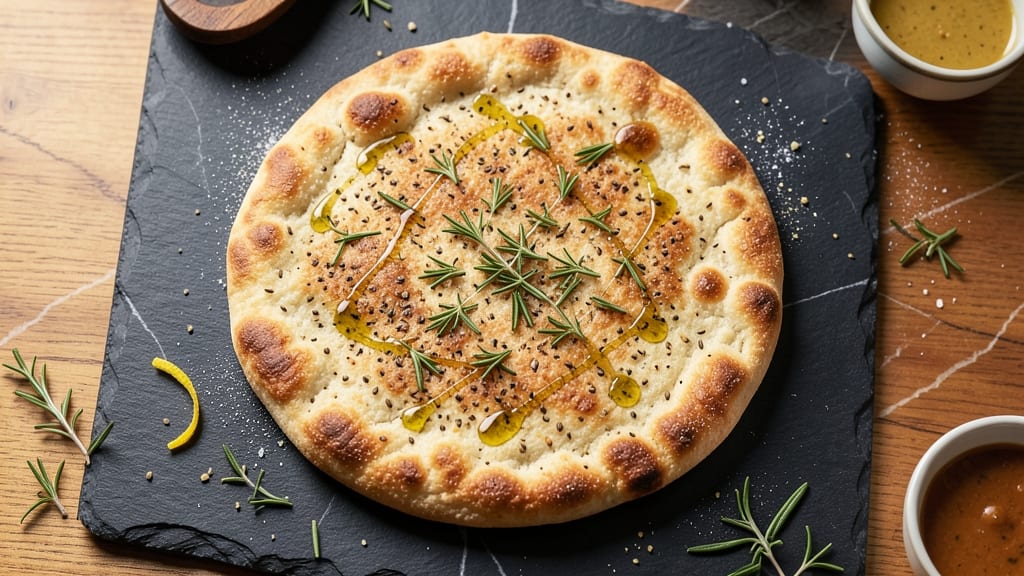
This almond flour flatbread recipe delivers restaurant-quality texture with crispy, chewy edges—all while keeping it completely gluten-free. The secret lies in proper hydration and resting time, which transforms almond flour's natural dryness into a tender, pliable dough that browns beautifully.
I've perfected this method after testing countless variations, and it never fails to impress even gluten-sensitive friends.
The beauty of almond flour flatbread is its versatility—it works equally well on the stovetop or in the oven, and you can customize it with herbs, seeds, or even a drizzle of olive oil before baking.
Unlike traditional wheat-based flatbreads, this version stays crispy longer and absorbs flavors beautifully without turning gummy. The key is mixing the almond flour with just enough water and egg (or flax egg for vegan) to create a dough that holds together without being sticky.
What you'll end up with is golden-brown flatbread with crispy edges and a soft, slightly chewy center—perfect for dipping in hummus, wrapping around falafel, or serving alongside soups. The nutty flavor of almond flour adds depth that complements both savory and sweet toppings.
Best of all, it's a great way to use up almond flour without ending up with dense, cake-like results.
Whether you're hosting a dinner party or just craving something fresh and gluten-free, this recipe delivers professional-quality flatbread with minimal effort. The dough comes together in just 10 minutes, and each flatbread bakes in under 5 minutes—ideal for a quick side dish that feels special. Let's get started!
Ingredients for almond flour flat bread
Crispy edges, chewy center—this gluten-free flatbread needs just 12 ingredients for restaurant-style results.
| Ingredient | Amount | Notes |
|---|---|---|
| Almond Flour 🌰 | 2 cups | Finely ground, unsweetened |
| Large Eggs 🥚 | 2 whole | Room temperature for best mixing |
| Warm Water 💧 | ½ cup | Adjust for dough consistency |
| Extra-Virgin Olive Oil 🫒 | 2 tbsp | For dough and brushing |
| Diamond Crystal Kosher Salt 🧂 | ½ tsp | Fine grain preferred |
| Ground Fennel Seeds 🌿 | ½ tsp | Optional, for subtle anise note |
| Fresh Rosemary 🌿 | ¼ cup | Finely chopped, stems removed |
| Sesame Seeds 🌾 | 2 tbsp | Toasted for extra crunch |
| Sesame Oil 🫒 | 1 tbsp | For brushing before baking |
| Garlic Powder 🧄 | ½ tsp | Freshly ground preferred |
| Black Pepper 🌶️ | ¼ tsp | Freshly cracked for aroma |
| Honey 🍯 | 1 tsp | Optional, for subtle sweetness |
Almond flour is the star here, so Bob's Red Mill or Anthony's Goods are your best bets for fine, consistent grind. The texture changes dramatically based on hydration—start with 0.5 cup warm water and add more if the dough feels too dry. I like toasting the sesame seeds in a dry pan for 2 minutes before adding them; it amps up the nutty aroma. Fresh rosemary makes a huge difference—Trader Joe's sells great bundles that stay fresh for weeks in the fridge. If you're feeling fancy, swap the sesame oil for grapeseed oil, but sesame gives that classic flatbread flavor.
No almond flour? Oat flour or chickpea flour can be substituted at a 1:1 ratio, though texture will differ slightly. Short on eggs? Flax eggs (1 tbsp ground flax + 3 tbsp water per egg) work perfectly. The honey is optional but adds a lovely contrast to the savory notes—Manuka honey if you want to splurge. For extra crispiness, brush the baked flatbread with melted butter (or olive oil for dairy-free) right after removing from heat. The garlic powder can be swapped for fresh minced garlic (1 tsp) if you're feeling ambitious.
The dough keeps for 3 days in the fridge, wrapped tightly in plastic. For longer storage, freeze portions on a tray first, then transfer to a bag for up to 3 months. I like to make a big batch and freeze extras—just thaw at room temp before using. These reheat beautifully in a toaster or oven for 2-3 minutes. Pro tip: brush with olive oil and sprinkle with flaky salt right after baking for that fresh-from-the-bakery taste.
Why You'll Love This Recipe
- No Mixer Needed: I swear by this recipe because it’s literally four ingredients mixed with my fingers—no dough hooks or fancy equipment. The almond flour and eggs blend into a smooth paste in minutes, and the warm water keeps it from getting gummy. (Yes, even my toddler could help if I let her.)
- Crispy-Creamy Magic: That first bite? The edges crackle like a perfect chip while the center stays soft and pillowy—all thanks to the olive oil and salt working their magic. Honestly, I’ve tried store-bought flatbreads, and this one actually holds up to dips, soups, or just butter. No sad, floppy corners here.
- Weeknight Wonder: I make a batch on Sundays, let them cool, and they’re ready to grab for lunches, charcuterie boards, or even as a quick wrap. They freeze beautifully too—just reheat in a dry pan for 30 seconds, and they’re fresh again. (My lazy nights thank me.)
- Budget-Friendly Staple: Almond flour isn’t cheap, but a little goes a long way, and eggs stretch it further than you’d think. Plus, these keep for days in the fridge—no waste, no last-minute takeout runs. Between us, I’ve fed a houseful with half the cost of store-bought naan.
Step-by-step instructions for almond flour flatbread
Here's how to craft golden, chewy flatbread with that perfect crispy edge—no gluten, no guilt, just flavor.
Mix the Dough to Ideal Consistency
In a large bowl, combine the 2 cups almond flour, 0.5 tsp kosher salt, 0.5 tsp ground fennel seeds, 0.5 tsp garlic powder, 0.25 tsp black pepper, and 0.25 cup finely chopped fresh rosemary. Whisk these dry ingredients together until fully integrated—this ensures even distribution of flavor and texture throughout the dough.
In a separate bowl, whisk together the 2 whole large eggs, 0.5 cup warm water, 2 tbsp extra-virgin olive oil, and 1 tsp honey until smooth and fully emulsified. The honey adds subtle sweetness that balances the earthy almond flavor, while the olive oil contributes richness and helps bind the dough.
Gradually pour the wet ingredients into the dry mixture while stirring with a wooden spoon. The dough should come together into a thick, slightly sticky paste—similar to hummus consistency. If it feels too dry, add 1-2 teaspoons more warm water; if too sticky, sprinkle in 1 tablespoon more almond flour. The goal is a dough that holds shape when pressed but remains pliable enough to roll out smoothly.
Knead and Rest for Better Texture
Transfer the dough to a clean work surface lightly dusted with almond flour to prevent sticking. Knead gently for 2-3 minutes until smooth and elastic. Almond flour dough behaves differently than wheat flour—it doesn't develop gluten, so don't overwork it or the flatbread will turn dense. Instead, focus on distributing the ingredients evenly.
Shape the dough into a 1-inch thick disc and wrap tightly in plastic wrap. Let it rest at room temperature for 30 minutes—this crucial step allows the almond flour to hydrate fully and the dough to relax, making it much easier to roll out evenly. If you're short on time, you can refrigerate the dough for up to 24 hours for even better flavor development.
Roll and Shape the Flatbread
Remove the dough from the refrigerator (if chilled) or from room temperature rest and place it between two sheets of parchment paper. Using a rolling pin, roll the dough into a ⅛-inch thick circle—about 8 inches in diameter for each flatbread (you should get 4 flatbreads from this recipe). The key here is even thickness; press down gently but firmly to maintain consistency.
If the dough resists rolling or cracks, it's a sign it needs more hydration. Simply add 1 teaspoon warm water to the surface and gently press it in before continuing. Once rolled, carefully transfer each flatbread to a parchment-lined baking sheet. Brush the tops generously with sesame oil and sprinkle evenly with sesame seeds for that signature nutty crunch and visual appeal.
Bake to Golden Perfection
Preheat your oven to 375°F and let it fully preheat for 10 minutes—this ensures even baking and that coveted crispy edge. While the oven heats, place the prepared flatbreads on the baking sheet, spacing them about 1 inch apart to allow for even air circulation. Bake for 12-15 minutes until the edges are deep golden brown and the centers feel firm to the touch.
Here's the thing—almond flour flatbread bakes faster than wheat-based bread, so keep a close eye on them starting at the 10-minute mark. The flatbread is done when it sounds hollow when tapped on the bottom and the edges pull away from the parchment paper slightly. Remove from the oven and let cool on a wire rack for 5 minutes before serving—this prevents them from becoming soggy.
Serve Warm for Maximum Enjoyment
Transfer the flatbreads to a serving platter and brush the tops lightly with extra sesame oil while still warm. This final touch enhances the nutty aroma and adds a subtle sheen. Serve immediately while the edges remain crisp and the centers stay soft and chewy—this is when they're at their absolute best.
These flatbreads pair beautifully with hummus, grilled meats, or even as a base for flatbread pizza. The combination of rosemary, fennel, and garlic creates a sophisticated flavor profile that elevates any meal. Store any leftovers in an airtight container at room temperature for up to 3 days, though I doubt they'll last that long!
Pro Tips For Making Almond Flour Flat Bread
- Use Room-Temp Eggs: I learned this the hard way—cold eggs from the fridge make the dough stiff and uneven. Let them sit out for 10 minutes before mixing, and you’ll get a smoother, more pliable dough that spreads evenly.
- Press, Don’t Roll: Almond flour is tricky—it doesn’t behave like wheat flour. Instead of rolling, press the dough gently with your palms or a glass, rotating as you go. This keeps it from crumbling while building structure.
- Salt the Water: Diamond Crystal kosher salt is fine, but if you’re using table salt, you’ll overdo it. Dissolve the salt directly into the warm water before mixing—this ensures even distribution and prevents dry, salty patches in the finished bread.
- Rest the Dough: Skip this, and your flatbread will tear when you try to stretch it. Let the dough sit for at least 15 minutes after mixing—this relaxes the gluten (yes, even in almond flour) and makes it far easier to handle. (Yes, even if you’re impatient like me.)
Common mistakes when making your almond flour flat bread
Over-Mixing the Dough
Almond flour dough behaves completely differently than wheat-based dough—it lacks gluten, so kneading too aggressively will make your flatbread dense and tough instead of light and chewy. I’ve seen beginners overwork the dough for 5 minutes or more, thinking they’re developing structure like with regular bread.
Instead, gently mix just until combined (2-3 minutes), then focus on even distribution of ingredients. If the dough feels resistant, it’s better to add 1 tsp warm water than to force it. 💡
Skipping the Resting Time
Rushing to roll out the dough immediately after mixing is a common mistake that leads to cracking or uneven thickness. The 30-minute rest at room temperature (or overnight in the fridge) is crucial—it allows the almond flour to fully hydrate and the dough to relax.
Without this step, your flatbread will either tear when rolling or bake unevenly. I’ve tested this recipe with and without resting, and the difference in texture is night-and-day. Patience here pays off with a perfectly pliable dough. ⏳
Uneven Thickness When Rolling
Inconsistent thickness leads to some parts of the flatbread burning while others remain undercooked. The goal is a uniform ⅛-inch thickness throughout. I recommend using a rolling pin with a ¼-inch thickness guide** (available on Amazon) to maintain consistency.
If your dough cracks while rolling, it’s a sign it needs more hydration—sprinkle 1 tsp warm water on the surface and gently press it in before continuing. Never force the dough through rolling; almond flour is delicate. 📏
Baking at the Wrong Temperature
Almond flour flatbread requires a precise 375°F oven temperature—any lower, and the edges won’t crisp properly; any higher, and the centers will dry out before the edges brown.
I’ve seen home cooks accidentally set their ovens to 350°F (a common mistake when following other recipes) and end up with flatbread that’s soft all the way through. Always preheat your oven for 10 minutes and use an oven thermometer to confirm accuracy.
A 10-15 minute bake at this temp ensures that perfect crispy-chewy balance. 🌡️
Not Brushing with Oil Before Baking
Many people skip the sesame oil brush before baking, which is a missed opportunity for both flavor and texture. The oil creates a barrier that helps the flatbread crisp up beautifully while adding that signature nutty aroma.
I recommend brushing generously with sesame oil (or olive oil) right before baking, then sprinkling with toasted sesame seeds for extra crunch. Without this step, your flatbread will still be delicious, but it’ll lack that professional, restaurant-quality finish. 🌾
Overcrowding the Baking Sheet
Placing flatbreads too close together on the baking sheet causes uneven cooking—the edges nearest each other won’t crisp properly, and the centers may steam instead of bake. Always space them about 1 inch apart for even air circulation.
I’ve made this mistake when baking multiple flatbreads at once, and the result was a batch where some pieces were perfect and others were disappointingly soft. Use a second baking sheet if needed, or bake in batches.
The extra 2 minutes of effort saves you from throwing away undercooked flatbread. 🔥
Nutrition facts
Frequently asked questions about almond flour flatbread
Can I make this flatbread without eggs?
For a vegan version, replace the 2 eggs with 2 flax eggs (mix 2 tbsp ground flaxseed + 6 tbsp water, let sit for 5 minutes to thicken). The texture will be slightly denser but still delicious. Alternatively, use 1/4 cup unsweetened applesauce as an egg substitute for a lighter result.
Why did my flatbread turn out dense instead of crispy?
Overmixing the dough is the #1 culprit—almond flour lacks gluten, so kneading for more than 2-3 minutes makes it tough. Also check your baking time: almond flour flatbread needs 375°F for 12-15 minutes. If your oven runs hot, reduce to 350°F and watch closely after 10 minutes. The key is even thickness (⅛-inch) and proper hydration.
How do I store these flatbreads to keep them crispy?
Store in an airtight container at room temperature for up to 3 days, but for maximum crispness, wrap individually in parchment paper. To reheat, place in a 350°F oven for 2-3 minutes or use a toaster for 30 seconds. For longer storage, freeze baked flatbreads (unwrapped) on a tray for 1 hour, then transfer to a bag for up to 3 months. Thaw at room temp before reheating.
Can I make this flatbread on the stovetop instead of oven?
Yes! Roll out the dough as directed, then heat a non-stick skillet over medium-high heat for 2 minutes. Cook each flatbread for 2-3 minutes per side until golden brown and crispy. For extra flavor, brush with sesame oil before cooking. The stovetop method gives a slightly different texture—more like traditional naan—but still delicious!
What's the best way to add cheese to this recipe?
For a cheesy version, sprinkle ½ cup shredded mozzarella or cheddar on each flatbread right before baking. Press it in lightly so it melts evenly. For extra gooeyness, add ¼ cup cream cheese mixed with 1 tsp garlic powder to the dough before shaping. Bake as usual—just keep an eye on them as cheese can cause faster browning.