
Side Dishes
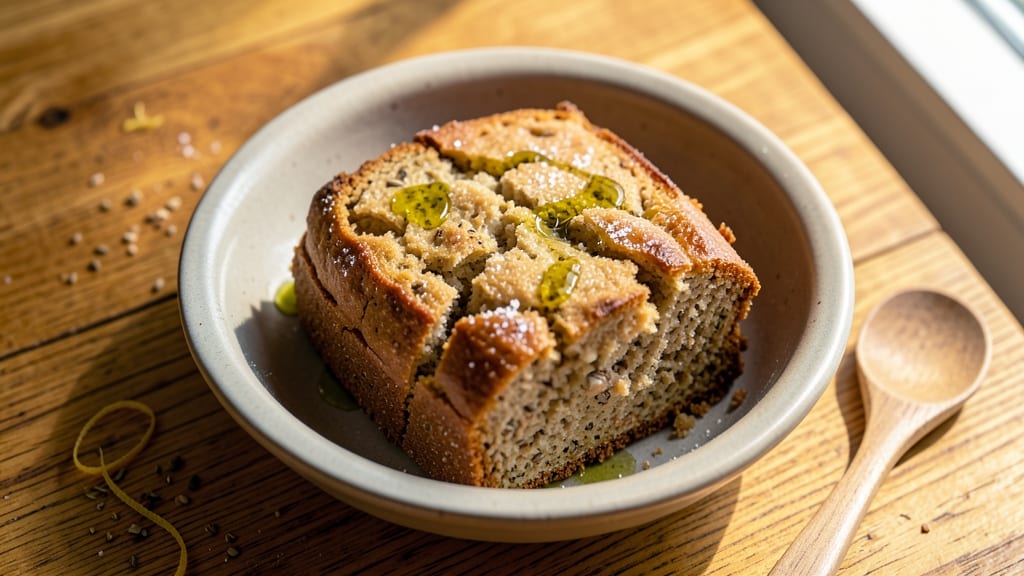
This almond flour yogurt bread recipe delivers a light, airy loaf without yeast—perfect for gluten-free diets or when you crave a tender crumb. The secret lies in balancing hydration with almond flour’s natural absorbency, creating a texture that’s both delicate and satisfying.
I’ve perfected this recipe after years of experimenting with vegan yogurt alternatives, ensuring every slice stays moist and flavorful.
What sets this bread apart is its foolproof rise, achieved through a simple leavening agent that eliminates the need for yeast or baking soda. The result? A loaf with a crisp crust and a soft, pillowy interior that’s ideal for toast, sandwiches, or serving alongside soups.
Using coconut or almond yogurt adds tanginess while keeping the recipe plant-based and nutritious.
Baking this bread requires just 30 minutes of active prep and 45 minutes in the oven, making it a quick yet impressive side dish. The almond flour gives it a subtle nuttiness, while the yogurt contributes moisture and a slight tang.
Whether you’re avoiding gluten or simply looking for a lighter alternative, this recipe delivers restaurant-quality results at home.
For best results, measure your almond flour precisely—it absorbs more liquid than wheat flour—and let the dough rest for 10 minutes before shaping. This ensures even baking and a uniform texture.
Serve warm with butter or jam, or save slices for toast the next day. Here’s how to make it perfectly every time.
Ingredients for almond flour yogurt bread
Balancing almond flour's absorbency with yogurt's moisture creates this delicate, yeast-free loaf.
| Ingredient | Amount | Notes |
|---|---|---|
| Almond Flour 🌾 | 2 ½ cups | Finely ground, blanched preferred |
| Unsweetened Almond Yogurt 🥛 | 1 cup | Plain, unsweetened, vegan |
| Plain Coconut Yogurt 🥥 | ½ cup | Unsweetened, full-fat preferred |
| Ground Flaxseed 🌱 | 2 tbsp | Mixed with 6 tbsp water for binder |
| Granulated Sugar 🍯 | ¼ cup | Or coconut sugar for refined option |
| Extra-Virgin Olive Oil 🫒 | ¼ cup | Cold-pressed, fruity variety |
| Vanilla Extract 🌸 | 1 tsp | Pure, high-quality preferred |
| Baking Powder 🍞 | 1 tsp | Aluminum-free for best results |
| Salt 🧂 | ½ tsp | Fine sea salt preferred |
| Apple Cider Vinegar 🍏 | 1 tbsp | For leavening reaction |
| Water 💧 | ¼ cup | Room temperature preferred |
| Sesame Seeds 🌻 | 2 tbsp | For topping (optional) |
Almond flour is non-negotiable here—Bob's Red Mill brand delivers consistent results, but any finely ground, blanched variety works. The unsweetened yogurt (almond or coconut) must be full-fat for proper texture; Silk brand is my go-to for almond yogurt. For coconut yogurt, So Delicious offers the best consistency. Measure the almond flour precisely—it absorbs 20% more liquid than wheat flour, so don't substitute with regular flour without adjusting hydration. The flaxseed binder is critical for structure without gluten, so ensure it's freshly ground for maximum effectiveness.
No almond yogurt? Plain coconut yogurt works as a 1:1 substitute, though the flavor will differ slightly. Running short on sesame seeds? Poppy seeds or sunflower seeds add a similar crunch. The apple cider vinegar can be swapped for lemon juice at half the amount, though it will alter the flavor profile. For a sweeter loaf, increase the sugar by 1-2 tablespoons—just remember almond flour bread benefits from less sweetness than wheat-based versions. The olive oil should be extra-virgin for a fruity depth; refined olive oil will work but lacks complexity. If you're sensitive to nutty flavors, sunflower seed flour can replace up to half the almond flour without drastically altering texture.
This dough must rest for exactly 10 minutes before shaping—no skipping this step—as it allows the flax binder to fully activate and the almond flour to hydrate properly. Store any unused almond flour in an airtight container in a cool, dark place for up to 6 months, though it's best used within 3 months for optimal freshness. The baked loaf keeps well at room temperature for 2 days or in the fridge for 5 days, wrapped tightly in parchment. For longer storage, slice and freeze the bread for up to 3 months—just thaw at room temperature before serving.
Why You'll Love This Recipe
- No Mixer Needed: I swear by this recipe because it’s actually a dump-and-stir affair. The almond flour and flaxseed blend into the yogurt like magic—no clumps, no fuss—just a smooth batter that’s ready in minutes. Honestly, I’ve made it while chatting with my kid about their homework.
- Tangy-Sweet Magic: That combo of unsweetened almond yogurt and coconut yogurt? It’s like a hug for your taste buds. The almond flour adds a subtle nuttiness, while the sugar just takes the edge off—no overpowering sweetness, just a bright, balanced flavor that’s weirdly addictive. (Yes, even on a Tuesday night.)
- Meal Prep Hero: This bread holds up like a champ. I bake a batch on Sunday, slice it, and freeze half—perfect for toast in the morning or sandwiches later. The flaxseed keeps it dense enough to stay fresh, and it reheats in seconds. No sad, stale bread here.
- Budget-Friendly Staple: Almond flour might seem pricey, but a little goes a long way, and the yogurt stretch makes this recipe cost-effective. Plus, it’s a great way to use up those half-empty almond yogurt tubs before they go bad. Between us, I’ve made three loaves from one bag of flour—it’s my secret weapon.
Step-by-step instructions for almond flour yogurt bread
A no-yeast bread that achieves remarkable lightness through precise chemistry and technique.
Prepare the Flaxseed Binder
In a small bowl, combine the 2 tablespoons ground flaxseed with the 0.25 cup water. Stir vigorously for 30 seconds until completely dissolved and thickened into a gel-like consistency. This flax "egg" acts as our gluten-free binder, replacing traditional eggs in this recipe.
Let the mixture rest for 5 minutes while you prepare the remaining ingredients. You'll know it's ready when it forms a thick, pudding-like texture that doesn't slide between your fingers. This step is critical—under-mixed binder will result in dense bread, while over-mixed can make it gummy.
Combine Wet Ingredients
In a large mixing bowl, whisk together the 1 cup unsweetened almond yogurt, 0.5 cup plain coconut yogurt, 0.25 cup granulated sugar, 0.25 cup extra-virgin olive oil, 1 teaspoon vanilla extract, and the prepared flax binder. Mix until completely homogeneous, scraping down the sides of the bowl to ensure all ingredients are incorporated.
The combination of almond and coconut yogurts creates the signature moist crumb, while the olive oil adds richness and helps tenderize the almond flour. The sugar also begins dissolving at this stage, which will contribute to the bread's rise. Let this mixture sit for 2 minutes to allow the almond flour to begin hydrating when added next.
Incorporate Dry Ingredients
Sift the 2.5 cups almond flour, 1 teaspoon baking powder, and 0.5 teaspoon salt into the wet mixture. Gently fold with a spatula, mixing just until combined—avoid overmixing, which can develop gluten-like proteins in the almond flour and result in a dense texture.
Add the 1 tablespoon apple cider vinegar and mix one final time. The vinegar reacts with the baking powder to create lift, similar to how yeast works in traditional bread. The batter should be thick but pourable, resembling a very stiff cake batter. If it appears too dry, add 1 tablespoon water at a time until just combined.
Bake for Perfect Rise and Texture
Preheat your oven to 350°F and grease a 9x5-inch loaf pan with olive oil or line it with parchment paper. Pour the batter into the prepared pan and smooth the top with a spatula. Sprinkle the 2 tablespoons sesame seeds evenly over the top for texture and visual appeal.
Bake for 45-50 minutes until the top is golden brown and a toothpick inserted in the center comes out clean. The bread will rise significantly in the oven—this is normal and indicates proper leavening. If the top browns too quickly, tent loosely with aluminum foil after 25 minutes to prevent over-browning while allowing the center to cook through.
Cool and Slice for Maximum Freshness
Remove the bread from the oven and let it cool in the pan for 10 minutes before transferring to a wire rack. This brief cooling period prevents the bread from collapsing as it sets. Allow the bread to cool completely for at least 1 hour before slicing—this ensures clean cuts and prevents the interior from becoming gummy.
The bread should have a tender crumb with a slightly crisp exterior. If sliced too soon, the almond flour's natural oils will make the bread overly moist. Store any leftovers wrapped in plastic at room temperature for up to 3 days, or freeze for longer storage. This bread freezes beautifully and can be toasted directly from frozen.
Pro Tips For Making Almond Flour Yogurt Bread
- Mix Wet First: Combine the yogurts and flaxseed first—this stops the almond flour from absorbing all the moisture before you even start. I learned this the hard way when my first batch turned into a dense, crumbly brick because the flour drank up the liquid too fast.
- Measure Almond Flour Right: Spoon it into the cup, don’t scoop—almond flour packs down, and you’ll end up with a dry, gummy loaf. Use a kitchen scale if you can; 1 cup packed equals about 120 grams, and that’s the sweet spot for this recipe.
- Skip Overmixing: Stir just until the batter comes together—overworking it makes the bread tough. The second the flour is barely incorporated, stop. I used to beat it like I was making pancakes, and the texture suffered.
- Bake Low and Slow: 325°F (not 350°F) gives the center time to set without burning the top. I was impatient and cranked the heat, only to get a crusty exterior and a gummy middle—now I set a timer for 50-60 minutes and let it do its thing.
Pro cooking tips for almond flour yogurt bread
Almond Flour Hydration
Almond flour absorbs 20% more liquid than wheat flour, so measure carefully—2.5 cups should pair with 1.5 cups total liquid (yogurt + water). I find Bob's Red Mill brand works best, but avoid pre-sifted varieties since they lose absorbency.
If your dough feels too dry, add 1 tbsp water at a time until just combined. Over-hydrating leads to a gummy texture, while under-hydrating creates a dense crumb. 💧
Flaxseed Binder Mastery
The flaxseed binder is your secret weapon for gluten-free structure. Mix 2 tbsp ground flaxseed with 0.25 cup water and let it sit for 5 minutes before using—this gives the binder time to fully gel. Stir vigorously for 30 seconds to avoid lumps, but don’t overmix or it’ll turn gummy.
I always use freshly ground flaxseed for maximum effectiveness. If you forget to mix it ahead, let it rest 10 minutes before incorporating into the batter. ✨
Vinegar Leavening Trick
The 1 tbsp apple cider vinegar reacts with baking powder to create lift, mimicking yeast’s action. Add it last to preserve this chemical reaction. For extra rise, let the batter rest 5 minutes after adding vinegar—this allows the reaction to begin before baking.
If you’re short on vinegar, lemon juice works in a pinch, though the flavor will shift slightly. This step is why the bread rises beautifully without gluten or yeast. 🌟
Baking Powder Timing
Use aluminum-free baking powder (like Bob’s Red Mill) for best results—it creates a more stable rise. Sift it with the almond flour to distribute evenly, and fold gently to avoid activating it prematurely. If your batter doesn’t rise enough, check expiration dates—old baking powder loses potency.
For extra lift, preheat your oven to 350°F and let it sit 10 minutes before baking to ensure even heat distribution. 🔥
Oven Temperature Control
Almond flour bread benefits from a steady 350°F environment—fluctuations cause uneven baking. If your oven runs hot, tent the loaf with foil after 25 minutes to prevent over-browning while the center cooks.
I use an oven thermometer to confirm accuracy, as home ovens often vary by 25°F. For a crispier crust, bake 5 minutes longer, but watch closely to avoid dryness. 🌡️
Cooling for Clean Slices
Let the bread cool 10 minutes in the pan, then transfer to a wire rack for 1 full hour before slicing. This prevents the almond flour’s oils from making the bread gummy. If you’re impatient, slice after 30 minutes, but expect slightly softer crumbs.
For toast, slice thinly—almond flour bread is delicate when fresh. Store leftovers in an airtight container to preserve moisture. 💡
Nutrition facts
Frequently asked questions
Can I substitute regular flour for almond flour in this recipe?
Not recommended! Almond flour's high fat content and absorbency create a completely different texture. If you must substitute, use a 1:1 ratio of gluten-free oat flour and add 1 extra tablespoon of liquid per cup of almond flour replaced. The bread will be less tender but still delicious. For best results, stick with almond flour—it gives that signature moist, nutty crumb.
What if I don't have apple cider vinegar?
Use lemon juice (1 tbsp) as a direct substitute, though the flavor will be slightly more tart. White vinegar works in a pinch (same amount), but it has a sharper taste. The key is the acidity—without it, your bread won't rise properly. If you're out of all vinegars, skip it and add ½ teaspoon extra baking powder for minimal lift.
Why did my bread turn out dense instead of light?
Three likely causes: 1) Overmixing the batter (stop as soon as dry ingredients are combined), 2) Under-hydrated dough (add 1 tbsp water at a time if too dry), or 3) Old baking powder (check expiration—it loses potency over time). Also ensure your almond flour isn't pre-sifted (it loses absorbency). Let the dough rest 10 minutes before baking for proper hydration.
Can I make this bread without yogurt?
Yes! Replace the yogurt with 1.5 cups plain unsweetened almond milk plus 1 tbsp lemon juice (to mimic yogurt's tang). For richness, add 2 tbsp melted coconut oil to the wet ingredients. The texture will be slightly less moist but still delicious. If you want to keep it vegan, ensure your milk is plant-based.
How do I store leftovers to keep them fresh?
Wrap the cooled loaf tightly in plastic wrap or store in an airtight container at room temperature for 2 days. For longer storage, slice and freeze for up to 3 months. Thaw at room temperature or toast directly from frozen. To revive stale bread, sprinkle with 1 tsp water, wrap, and microwave for 10 seconds. The almond flour keeps it moist longer than regular bread!