
Side Dishes
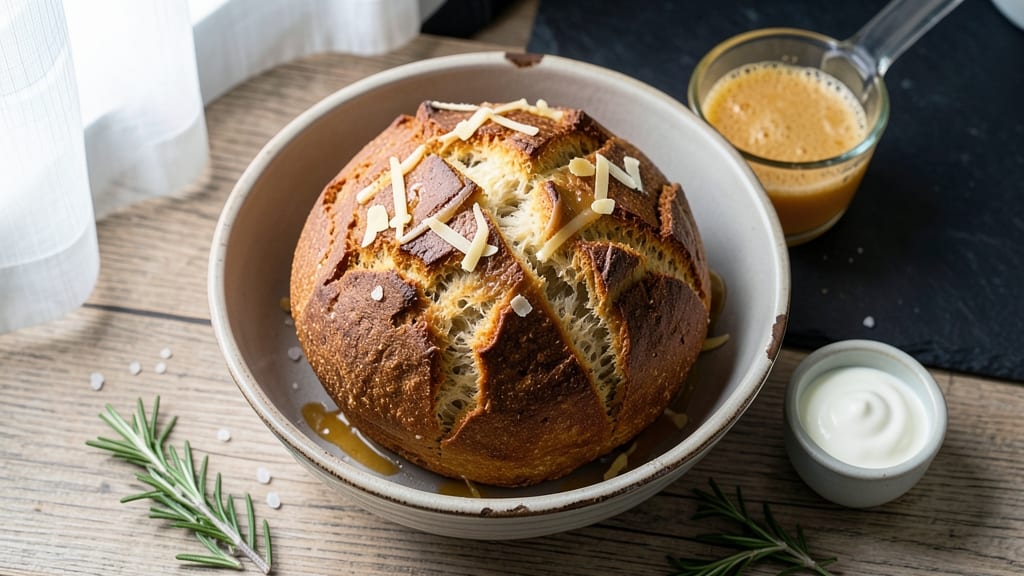
Alton Brown's beer bread recipe delivers the perfect balance of crispy crust and tender crumb, all thanks to the magic of beer and buttermilk. This isn't your average bread—it's a game-changer that transforms a simple bake into a showstopping side dish with malty sweetness and a satisfying crunch. The secret lies in the combination of ingredients and technique, creating a loaf so good, it'll disappear faster than you can say "good bread."
What sets this recipe apart is Alton Brown's signature approach: using a mix of beer and buttermilk for moisture and flavor, while keeping the ingredients list short and accessible. No fancy techniques required—just a bowl, a whisk, and a hot oven.
The beer adds depth, while the buttermilk ensures a tender crumb that's impossible to resist. Ready in under an hour, this bread is perfect for game day, dinner parties, or just because.
The result is a loaf with a golden, crispy crust that gives way to a soft, pillowy interior—every bite delivers that perfect contrast. The malty aroma fills your kitchen, and the flavor is rich without being overpowering.
Whether you're serving it warm with butter or saving slices for sandwiches, this beer bread is a crowd-pleaser that feels like a hug in bread form.
For extra indulgence, brush the warm loaf with melted butter and a drizzle of honey, or sprinkle with flaky sea salt for a savory twist. The possibilities are endless, but the foundation is foolproof. Let's get baking!
Ingredients for alton brown beer bread
Nine simple ingredients transform into Alton Brown's legendary beer bread—crispy, malty, and irresistible.
| Ingredient | Amount | Notes |
|---|---|---|
| All-Purpose Flour 🌾 | 3 cups | Sifted for even texture |
| Dry Yeast 🍞 | 1 package | Active dry yeast (2 1/4 tsp) |
| Granulated Sugar 🍚 | 1 tbsp | Feeds the yeast |
| Salt 🧂 | 1 tsp | Kosher or sea salt |
| Light Beer 🍺 | 1 cup | Lager or pale ale preferred |
| Buttermilk 🥛 | 1 cup | Full-fat for richness |
| Unsalted Butter 🧈 | ½ cup | Cold, cubed |
| Garlic Cloves 🧄 | 2 cloves | Minced for flavor |
| Large Egg 🥚 | 1 whole | Room temperature |
| Olive Oil 🫒 | 1 tbsp | For greasing loaf pan |
| Coarse Sea Salt 🧂 | 1 tbsp | For sprinkling crust |
The beer is non-negotiable for that signature malty flavor. Lager or pale ale works best—avoid dark beers like stouts, which can overpower the bread. I always grab Budweiser or Coors Light from the grocery store, but craft beers like Sierra Nevada Pale Ale add extra depth. The buttermilk? Full-fat is key—it keeps the crumb tender while adding richness. If you're out, a mix of milk and vinegar works in a pinch (let it sit 5 minutes). The yeast needs to be fresh—if it's past its expiration, toss it. Bob's Red Mill active dry yeast is my go-to, but any brand will do.
No buttermilk? Plain yogurt thinned with milk is a great swap. Short on beer? Substitute with warm water and 1 tsp apple cider vinegar—it mimics the acidity. The butter should be cold and cubed for maximum flakiness. European-style unsalted butter like Plugrá gives the best flavor, but any good brand works. The garlic is optional but adds a nice depth—skip it if you're sensitive to strong flavors. For the egg, room temperature ensures even mixing. If you're gluten-free, swap the flour for a 1:1 gluten-free blend, but expect a denser texture. The olive oil is just for greasing—use whatever you've got on hand.
This bread is best baked fresh, but leftovers reheat beautifully. Wrap cooled slices in foil and warm for 10 seconds in the microwave. Store wrapped at room temperature for 2 days or freeze for 3 months. For extra indulgence, brush warm slices with melted butter and a drizzle of honey. The crust gets crispier as it cools, so slice it when it's still slightly warm. I always make a double batch—one for the table, one for sandwiches. Trust me, you'll want seconds.
Why You'll Love This Recipe
- No-Knead Magic: Mixing this dough takes about two minutes—just flour, yeast, sugar, salt, and that light beer you already have chilling. No rolling, no fuss, just dump and stir.
- Beer’s Secret Boost: The light beer isn’t just for drinking—it keeps the bread moist and gives it that subtle, malty depth you won’t find in regular bread. Honestly, the first time I tried it, I thought, “Why didn’t I do this sooner?”
- Game for Any Meal: Toss it in a loaf pan for sandwiches, tear it into chunks for soup, or serve it warm with butter—it’s my go-to for breakfast, lunch, or even a quick dinner side. (Yes, even on a Tuesday night.)
- Budget-Friendly Staple: A single batch costs pennies and stretches for days. Freeze half the dough, and you’ve got fresh bread anytime without the grocery run. My wallet and my family thank me weekly.
Step-by-step instructions for alton brown's beer bread
Here's how to bake a perfectly crusty, malty beer bread with a tender interior.
Activate the Yeast with Beer and Sugar
In a small bowl, combine the 1 cup light beer with the 1 tablespoon granulated sugar and 1 package dry yeast. Let this mixture sit for 5-10 minutes until it becomes frothy and bubbly—this tells you the yeast is alive and ready to work. If it doesn't bubble, your yeast might be dead, and you'll need to start over.
I always use a warm beer (not hot) for this step—around 105-110°F. If your kitchen is cold, warm the beer slightly in the microwave first. The sugar feeds the yeast, and the beer adds that signature malty flavor right from the beginning. Don't rush this step; the yeast needs time to activate properly for a good rise later.
Mix the Dough and Incorporate Butter
In a large mixing bowl, whisk together the 3 cups all-purpose flour and 1 teaspoon salt. Create a well in the center and pour in the yeast mixture, 1 cup buttermilk, and 1 whole large egg. Mix with a wooden spoon until a shaggy dough forms.
Cut in the ½ cup unsalted butter (cold and cubed) using a pastry cutter or your fingers. Work quickly but gently—you want the butter to stay in chunks for maximum flavor and texture. The dough should be soft but not sticky. If it's too dry, add a splash more buttermilk; if too sticky, sprinkle in a little more flour. This dough should feel like wet sandpaper when you press it.
Fold in Garlic and Let the Dough Rise
Add the 2 minced garlic cloves to the dough and mix until evenly distributed. Transfer the dough to a lightly oiled bowl, cover with a damp kitchen towel, and let it rise in a warm place for 1-1½ hours or until it has doubled in size. I place my bowl on top of my turned-off oven with the light on for consistent warmth.
Real talk: Don't skip this step. The rise develops the bread's texture and allows the yeast to work its magic. You'll know it's ready when the dough springs back slowly when poked with a finger. If your kitchen is cold, the dough might take longer—be patient. Overproofing leads to dense bread, so keep an eye on it.
Shape and Bake for Crusty Perfection
Grease a 9x5-inch loaf pan with 1 tablespoon olive oil. Turn the risen dough onto a lightly floured surface and gently shape it into a rectangle. Fold the long sides toward the center, then roll it up tightly from the short end to form a log. Place it seam-side down in the prepared pan.
Brush the top with a little more of the light beer (about 1 tablespoon) and sprinkle generously with 1 tablespoon coarse sea salt. Bake in a preheated 375°F oven for 50-55 minutes until the top is deep golden brown and sounds hollow when tapped. The internal temperature should reach 190-195°F.
Cool and Serve with Confidence
Remove the bread from the pan immediately and place it on a wire rack to cool for at least 15 minutes. This resting period is crucial—it allows the steam inside to escape and the crumb to set properly. If you cut it too soon, you'll end up with a gummy interior.
Here's the thing—this bread tastes best warm, but it's still delicious at room temperature for a day or two. The exterior should be crispy with a beautiful crackly crust, while the interior reveals a tender, slightly chewy crumb with pockets of air from the yeast. Slice it thick and serve with butter melting on top—you've earned it!
Pro Tips For Making Alton Brown Beer Bread
- STIR THE YEAST FIRST: Skip mixing the yeast with the beer right away—it’ll fizz over and make a mess. Instead, sprinkle it directly into the warm beer (110°F) in the bowl first, let it foam for 5 minutes, then add the flour. This guarantees the yeast is active before it hits the dry ingredients.
- USE COLD BEER: Beer bread tastes flatter when you use room-temperature beer. Grab a cold one straight from the fridge—it slows the yeast just enough to give the dough proper structure without overproofing. (Yes, even if you’re eager to start.)
- DON’T OVERMIX THE DOUGH: Once you add the flour, stop stirring after 2 minutes. Overworking it develops gluten, and this bread’s magic is in its tender, airy crumb. A few sticky lumps? That’s fine—it’ll still rise beautifully.
- BAKE UNTIL 200°F: The recipe says 190°F, but pull it out at 200°F—it’ll drop to 190°F while resting. That extra 10°F ensures the center is fully set and won’t turn gummy. A toothpick should come out clean, not damp. (I learned this after cutting into a sad, underdone loaf.)
Regional styles of this recipe
Southern Comfort
In the heart of the South, beer bread isn't just a side—it's a tradition. Here, I use Budweiser or Miller Lite for that classic malty sweetness, and I always add 1 teaspoon smoked paprika to the dough for a subtle BBQ hint.
The crust gets extra crispy thanks to a 375°F oven and a 15-minute bake after brushing with beer. Southern cooks swear by serving it warm with honey butter or sliced pimento cheese—trust me, it’s a game-day staple. 🍺
Northwest Crisp
Up in the Pacific Northwest, craft beers take center stage. I swap the standard lager for Sierra Nevada Pale Ale or Deschutes IPA, which adds a hoppy depth that pairs perfectly with fresh rosemary in the dough.
The cooler climate means I let the dough rise 2 hours for extra fluffiness. For serving, I brush slices with garlic-infused olive oil and sprinkle with flaky sea salt—it’s the perfect match for smoked salmon or hearty chili. 🌲
Midwest Heartland
The Midwest loves its beer bread hearty and sturdy—ideal for sandwiches. Here, I use Coors Light and boost the dough with 1 tablespoon caraway seeds for a rye-like flavor.
The loaf bakes in a 9x5-inch pan at 375°F for 55 minutes, yielding a dense, chewy crumb perfect for Reuben sandwiches or chicken pot pie. Leftovers? I freeze slices and toast them straight from the freezer—no reheating needed. 🥪
East Coast Twist
On the East Coast, beer bread gets a gourmet upgrade. I use Allagash White (a Belgian-style ale) and fold in 1 tablespoon fresh thyme for an herbal note.
The dough rises 1.5 hours, and I bake it in a cast-iron skillet at 400°F for 30 minutes to get that rustic, crusty exterior. Serve with whipped brown butter and crumbled feta—it’s fancy enough for brunch but easy enough for weeknight dinners. 🍽️
Texas-Style
In Texas, beer bread is all about bold flavors. I use Shiner Bock (a local favorite) and add ½ teaspoon cayenne pepper for a kick.
The dough gets a 1-hour rise, and I bake it in a cast-iron Dutch oven at 350°F for 45 minutes to keep the crust extra crispy. Serve with spicy honey or sliced jalapeños—it’s the perfect side for brisket or BBQ ribs. 🔥
Global Fusion
For a twist, try Mexican-style beer bread with Corona beer, 1 teaspoon cumin, and ½ cup cotija cheese folded into the dough. Bake at 375°F for 50 minutes and top with chili powder before serving.
Or go Italian with Peroni beer, dried oregano, and a sprinkle of Parmesan—it’s a crowd-pleaser at any gathering. 🌎
Nutrition facts
Frequently asked questions
Why does Alton Brown's beer bread use both beer and buttermilk?
The beer adds that signature malty flavor while keeping the crumb moist, while the buttermilk creates a tender texture and helps activate the yeast. Together, they create the perfect balance of crispy crust and soft interior. The acidity in buttermilk also helps develop gluten for better structure.
Can I substitute beer with another liquid if I don't drink alcohol?
Yes! Use 1 cup non-alcoholic beer or a mix of 1 cup warm water + 1 teaspoon apple cider vinegar to mimic the acidity. For extra flavor, try ginger ale or root beer—they add a similar sweetness without the alcohol. The bread will still taste delicious!
How do I know when the beer bread is fully baked?
Look for a deep golden brown crust and tap the bottom—it should sound hollow. The internal temperature should reach 190-195°F. If the top browns too quickly, tent it with foil after 30 minutes to prevent over-browning while the interior finishes baking.
Why did my beer bread turn out dense instead of light and airy?
This usually happens from overproofing (letting the dough rise too long) or dead yeast. Always check your yeast is fresh and the beer is warm (105-110°F) before mixing. For cold kitchens, use a proofing box or place the bowl on your oven light to speed up rising. Keep an eye on it—dough should double in 1-1.5 hours.
What's the best way to store and reheat beer bread?
Wrap cooled slices in foil and store at room temperature for 2 days or freeze for 3 months. To reheat, warm in a 350°F oven for 5-10 minutes or microwave for 10-15 seconds wrapped in a damp paper towel. For extra crispiness, toast slices in a dry skillet over medium heat for 1-2 minutes per side.