
Side Dishes
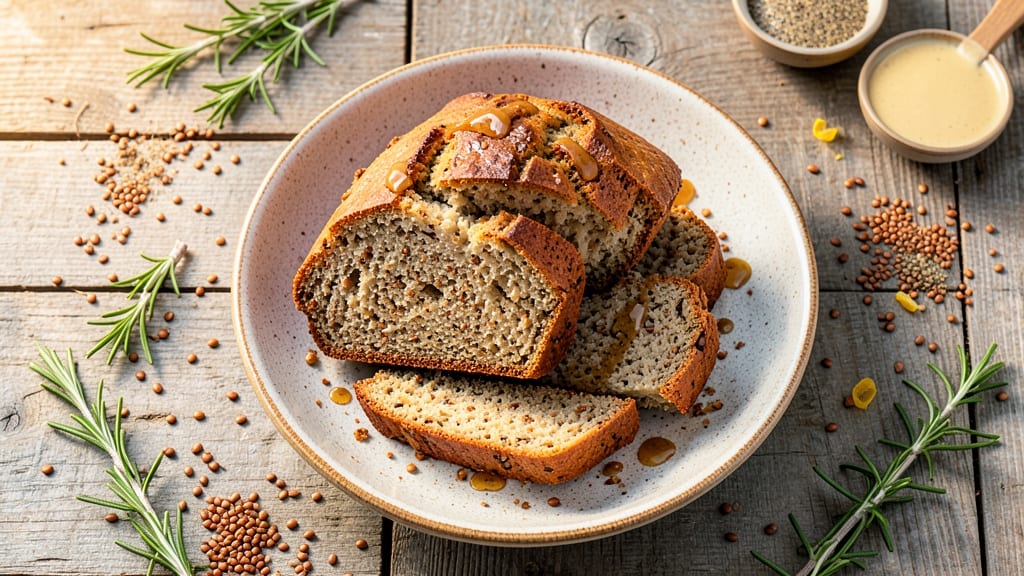
This gluten-free amaranth bread recipe delivers a perfect balance of nutty crunch and light, airy texture—ideal for those avoiding gluten without sacrificing flavor or structure. The secret lies in combining amaranth flour with gluten-free binders like xanthan gum, creating a loaf that holds its shape while staying tender inside.
Unlike dense gluten-free breads, this recipe achieves a satisfying rise and crispy crust, making it a game-changer for sandwiches or toast.
What sets this recipe apart is its vegan-friendly formula, eliminating eggs and dairy while still achieving a moist crumb. The amaranth flour adds earthy depth and a subtle crunch, while a touch of apple cider vinegar enhances browning and flavor.
With precise hydration adjustments, you’ll avoid the common pitfalls of gluten-free baking—like dryness or crumbly texture—ensuring every slice is perfect.
By the time it emerges from the oven, you’ll have a golden-brown loaf with a crisp exterior and tender interior, ready to be sliced for toast, sandwiches, or served alongside soups.
The nutty aroma alone makes this bread worth baking, and its versatility ensures it fits seamlessly into any meal. Let’s get baking!
For best results, use certified gluten-free ingredients and measure flour precisely—this recipe is designed to deliver restaurant-quality texture at home. The key steps include proper mixing, a short proofing time, and baking at the right temperature to lock in that ideal crumb.
Trust the process, and you’ll never miss traditional bread again.
Ingredients for amaranth bread gluten free
Nutty amaranth flour meets gluten-free precision for a loaf that rivals artisanal bread.
| Ingredient | Amount | Notes |
|---|---|---|
| Amaranth Flour 🌾 | 2 cups | Certified gluten-free, freshly milled preferred |
| Brown Rice Flour 🌾 | 1 cup | Certified gluten-free, light variety |
| Tapioca Starch 🌾 | ½ cup | For elasticity and structure |
| Xanthan Gum 🌾 | ¼ tsp | Essential for gluten-free binding |
| Active Dry Yeast 🍞 | 1 ½ tsp | Certified non-GMO preferred |
| Apple Cider Vinegar 🍎 | 1 tbsp | Enhances browning and flavor |
| Flaxseed Meal 🌿 | 2 tbsp | Mixed with 6 tbsp water for egg substitute |
| Coconut Sugar 🍯 | ¼ cup | Natural sweetener, adds moisture |
| Extra-Virgin Olive Oil 🫒 | ¼ cup | High-quality, fruity variety |
| Warm Water 💧 | 1 ¼ cups | 110°F, not boiling |
| Salt 🧂 | 1 ½ tsp | Diamond Crystal kosher preferred |
| Ground Cinnamon 🌿 | ½ tsp | Optional, enhances nutty flavor |
| Sesame Seeds 🌱 | 1 tbsp | For topping, toasted |
Amaranth flour is the star here—Bob's Red Mill or Anthony's Goods are top-tier choices, but any certified gluten-free brand works. The key is freshness: amaranth loses its crunch when stored too long, so buy small batches or grind your own. Pair it with Bob's Rice Flour for the perfect lightness-to-crunch ratio. Xanthan gum is non-negotiable—it’s what gives this bread its structure, and NOW Foods makes a reliable brand. If you’re new to gluten-free baking, measure your flours with a kitchen scale for precision—this recipe demands accuracy to avoid dryness.
No flaxseed meal? Chia seeds work too—just double the amount (4 tbsp chia + 12 tbsp water). Substituting coconut sugar? Maple syrup at half the amount keeps moisture, but expect slightly darker bread. Olive oil can be swapped for avocado oil, but stick to extra-virgin for that fruity depth. The yeast is active dry, so make sure it’s fresh—test it in warm water with a pinch of sugar to confirm it foams within 5 minutes. For the vinegar, white vinegar in a pinch, but apple cider adds that subtle tang that makes this bread sing.
This dough is sticky—wet your hands when handling to prevent sticking. Let it rest 30 minutes before shaping for easier handling. For storage, wrap cooled loaves in beeswax wrap or foil—keeps fresh for 3 days at room temp or 1 week refrigerated. Freeze slices for up to 3 months by wrapping individually in parchment. Toasting revives stale bread instantly—2 minutes at 350°F brings back that crispy crust. The sesame seeds toast beautifully in a dry pan for 30 seconds—worth the extra minute for that nutty crunch.
Why You'll Love This Recipe
- No-Knead Magic: I swear by this—just mix, let it rise, and bake. The amaranth flour does all the heavy lifting while I sip coffee, no stand mixer required.
- Nutty Earthy Richness: That toasted amaranth flavor? It’s like a warm hug for your taste buds. The brown rice flour keeps it light, but the tapioca starch gives it that perfect chewy bite.
- Weeknight Wonder: Toss a loaf in the fridge for breakfast toast or pack slices for lunch. It’s my go-to when I need something reliable—no sad, stale bread here.
- Budget-Friendly Staple: Amaranth flour might sound fancy, but a little goes a long way. This recipe stretches my grocery dollars while keeping my pantry stocked for days. (Yes, even on a Tuesday night.)
Step-by-step instructions for gluten-free amaranth bread
This loaf delivers a perfect balance of nutty depth and tender crumb—every step is key to that light rise.
Create the Flaxseed Egg Substitute
In a small bowl, whisk together the 2 tablespoons flaxseed meal with 6 tablespoons warm water (about 110°F). Let this mixture sit for 5 minutes until it thickens into a gel-like consistency resembling an egg. This flaxseed "egg" provides the binding and moisture that traditional eggs would offer in gluten-free baking.
I always use this method because it mimics the functionality of eggs perfectly while keeping the bread moist. The gel should be thick but still pourable—if it's too runny, add another ½ teaspoon flaxseed meal. This step is non-negotiable for proper texture later on.
Mix the Wet Ingredients
In a large mixing bowl, combine the 1.25 cups warm water, 0.25 cup coconut sugar, 0.25 cup extra-virgin olive oil, 1 tablespoon apple cider vinegar, and the flaxseed egg mixture. Stir until the sugar and oil are fully incorporated, creating a smooth, slightly viscous liquid. The vinegar here isn't just for flavor—it helps develop that beautiful golden crust we're aiming for.
Next, sprinkle in the 1.5 teaspoons active dry yeast and 1.5 teaspoons salt, stirring gently to dissolve completely. Let this mixture sit for 5 minutes while you prepare the dry ingredients. You'll see small bubbles forming at the surface—that's your yeast coming to life, which is crucial for that light rise we want in gluten-free bread.
Combine All Ingredients for the Dough
In a separate large bowl, whisk together the 2 cups amaranth flour, 1 cup brown rice flour, 0.5 cup tapioca starch, 0.25 teaspoon xanthan gum, and 0.5 teaspoon ground cinnamon. The xanthan gum is essential here—it mimics gluten's binding properties, so don't skip it. Sift these dry ingredients together to eliminate any lumps that could affect your bread's texture.
Gradually pour the wet ingredient mixture into the dry ingredients while stirring with a wooden spoon or spatula. Mix just until combined—overmixing can develop gluten-like properties in gluten-free flours, making the bread dense. The dough will be thick and sticky, but that's exactly what we want. Let it rest for 10 minutes at room temperature while you prepare your baking pan.
Shape and Proof the Dough
Lightly grease a 9x5-inch loaf pan with olive oil. Using wet hands (this prevents sticking), transfer the dough to the prepared pan and spread it evenly, leaving about ½ inch space at the top for rising. The dough will be quite thick—don't worry, it will expand as it proofs.
Cover the pan tightly with plastic wrap and let the dough proof in a warm place (like your oven with the light on) for 1 to 1.5 hours, or until the dough has risen noticeably and feels springy when gently pressed. You're looking for about ½ inch of rise in the center. The proofing time is critical—rushing it will result in a dense loaf, while over-proofing can cause collapse.
Bake to Golden Perfection
Preheat your oven to 350°F. Remove the plastic wrap and sprinkle the 1 tablespoon sesame seeds evenly over the top of the dough. Bake for 45 to 50 minutes, until the top is deep golden brown and the internal temperature reaches 205°F when measured with an instant-read thermometer. The bread should pull away slightly from the sides of the pan and have a hollow sound when tapped on the bottom.
For the best results, I recommend baking on the middle rack of your oven. This ensures even heat distribution throughout the loaf. If the top browns too quickly, tent the pan loosely with aluminum foil after 25 minutes to prevent over-browning while allowing the bread to continue baking. Let the bread cool in the pan for 10 minutes before transferring to a wire rack to cool completely.
Pro Tips For Making Amaranth Bread Gluten Free
- Sift the Flours First: Amaranth flour is dense—don’t skip sifting it with the brown rice flour before mixing. I learned this the hard way when my first batch turned into a brick; those little lumps never dissolve properly. Use a fine-mesh sieve and tap the bowl gently to break up clumps.
- Bloom the Yeast Slowly: Active dry yeast in gluten-free dough needs patience—mix it with warm (not hot) water and a pinch of sugar, then wait 10 full minutes before adding to the wet ingredients. I’ve rushed this step and ended up with flat, sad bread every time. If it doesn’t foam, start over.
- Don’t Overmix the Dough: Gluten-free dough behaves differently—once you add the wet ingredients, mix just until combined. Overworking it turns the amaranth-tapioca blend gummy and dense. My first loaf was a chewy disaster because I kept stirring like wheat dough. Stop when it’s shaggy, not smooth.
- Use a Loaf Pan with Oil: Grease that pan thoroughly—amaranth bread sticks like glue to bare metal or nonstick coatings. Brush the inside with neutral oil (like avocado or grapeseed) and dust with a little brown rice flour before shaping the dough. I now line mine with parchment and oil; yes, it’s overkill, but it saves tears.
Wine and beer pairings for this amaranth bread gluten free
Crisp White Wine
Pair this nutty amaranth bread with a dry Riesling or Sauvignon Blanc—their bright acidity and citrus notes cut through the bread's earthy richness beautifully. I love Dr. Loosen Blue Slate Riesling from Germany; its crisp finish balances the amaranth's nuttiness without overpowering it.
For a budget-friendly option, Kim Crawford Sauvignon Blanc delivers zesty grapefruit flavors that complement the sesame seeds. 🍷
Light Beer Pairings
A wheat beer or pilsner enhances the bread's subtle sweetness and crunch. Blue Moon Belgian White with its coriander and orange peel notes creates a refreshing contrast, while Heineken's clean, crisp profile lets the bread's flavors shine.
For something bolder, try a German Helles—its malty sweetness pairs wonderfully with the toasted sesame topping. 🍺
Bold Red Options
If you prefer red wine, go for a Pinot Noir with moderate tannins. Meiomi Pinot Noir has juicy cherry flavors that won't clash with the bread's earthiness.
A Gamay like Beaujolais also works, offering bright red fruit notes that complement the amaranth's nuttiness. Avoid heavy Cabernets—their bold tannins can overpower the delicate crumb. 🍇
Non-Alcoholic Choices
For a refreshing non-alcoholic pairing, try sparkling apple cider—its effervescence cleanses the palate between bites. Martinelli's Sparkling Cider with a splash of ginger beer adds a spicy kick that enhances the bread's cinnamon notes.
A cold hibiscus iced tea sweetened with honey also works beautifully, especially when served with jam. 🍏
Coffee & Tea Pairings
For breakfast or brunch, pair this bread with a medium-roast coffee like Peet's Major Dickason's Blend—its balanced acidity and chocolate notes harmonize with the amaranth's earthiness. A chamomile tea with honey adds a soothing contrast, while Earl Grey's bergamot aroma elevates the sesame seeds' nutty profile. 💛
Nutrition facts
Frequently asked questions
Why does this gluten-free amaranth bread need xanthan gum?
Xanthan gum replaces gluten's natural elasticity, which gluten-free flours like amaranth lack. Without it, your bread would crumble or fall apart. Just ¼ teaspoon creates that perfect chewy texture—don't skip it! The gum also helps retain moisture, preventing that dry, gummy texture common in gluten-free loaves.
Can I make this bread without a loaf pan?
Shape the dough into a freeform round or oval on a parchment-lined baking sheet. For extra crustiness, brush with olive oil before baking. The sesame seeds will add beautiful texture—just bake at 350°F for 35-40 minutes until golden. This works especially well for dinner rolls or sandwich bread shapes.
What's the secret to getting this bread to rise properly?
Three things: warm environment, active yeast, and patience. Proof in a slightly warm spot (like your oven with light on) for 1-1.5 hours. Test your yeast first by mixing with warm water and sugar—it should foam within 5 minutes. If your dough doesn't rise enough, try adding ½ tsp more yeast next time.
How do I store leftovers to keep them fresh?
Wrap cooled slices in beeswax wrap or foil and store at room temperature for 3 days. For longer storage, freeze slices individually for up to 3 months. To revive stale bread, toast at 350°F for 2 minutes—the heat reactivates the starches, making it crispy again. Never refrigerate unless you're freezing—it dries out gluten-free bread faster.
Can I add seeds or nuts to this recipe?
Yes! Try sunflower seeds (¼ cup) or chopped walnuts (½ cup) for extra crunch. Toast them first in a dry pan for 2-3 minutes to enhance flavor. For texture contrast, fold them into the dough before proofing. Just reduce the sesame seeds to ½ tablespoon to balance the mix. Avoid adding too many nuts—stick to ½ cup total to maintain the bread's structure.