
Desserts
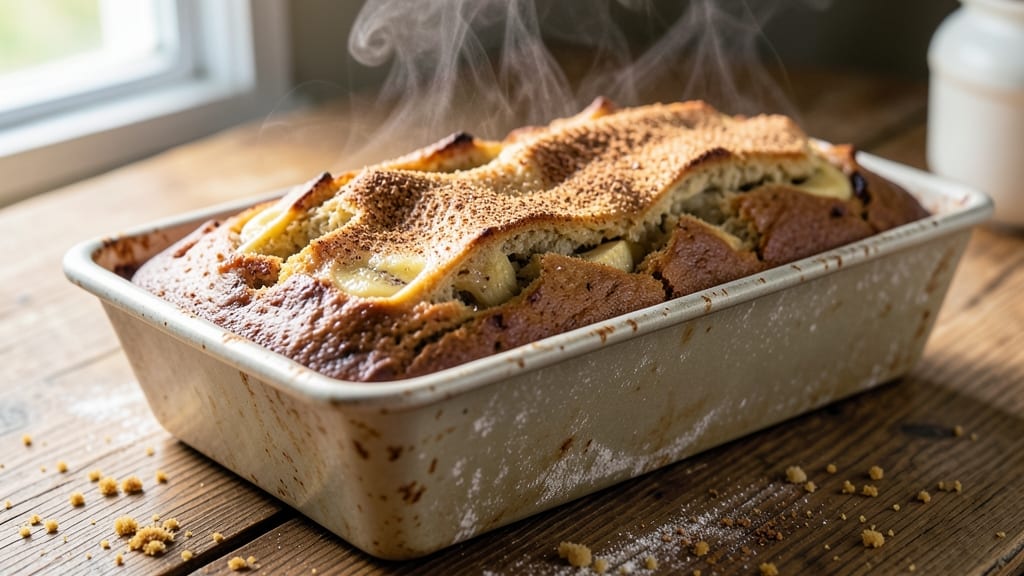
This moist banana bread recipe from Amy Grant's grandma delivers the perfect balance of warm spices and tender crumb that feels like a hug in every bite. The secret lies in ripe bananas and a simple, foolproof method that transforms basic ingredients into something extraordinary.
I've baked this version countless times—it never fails to impress, whether served fresh from the oven or reheated for a comforting treat.
What sets this recipe apart is its traditional approach, using just six core ingredients that work together to create that signature moist texture and aromatic spice blend. The butter and sugar create a tender base, while the bananas add natural sweetness and moisture.
A pinch of cinnamon and nutmeg infuses each slice with warmth, making it taste like a cozy kitchen memory.
By the time it emerges from the oven, you'll have a loaf with a golden crust and a crumb that's perfectly tender—not too dense, not too cakey. The aroma alone will have everyone gathering around the kitchen, and each slice will be rich with banana flavor and spiced warmth.
This is the kind of recipe that becomes a family favorite, passed down through generations.
Perfect for breakfast, dessert, or an afternoon pick-me-up, this banana bread also freezes beautifully for quick treats. Whether you're baking for a crowd or treating yourself to a single slice, the result is always the same: comfort in every bite. Let's get started on this timeless classic.
Ingredients for amy grant's grandma's banana bread
Six simple ingredients transform into the moist, spiced banana bread you'll crave for weeks.
| Ingredient | Amount | Notes |
|---|---|---|
| Unsalted Butter 🧈 | ½ cup | Softened to room temperature |
| Granulated Sugar 🍚 | 1 cup | White or light brown sugar |
| Ripe Bananas 🍌 | 3 medium | Mashed, spots preferred |
| All-Purpose Flour 🌾 | 1 ½ cups | Sifted for even texture |
| Large Eggs 🥚 | 2 whole | Room temperature preferred |
| Ground Cinnamon 🌶️ | 1 ½ tsp | Freshly ground preferred |
| Ground Nutmeg 🌶️ | ½ tsp | Freshly grated nutmeg |
| Baking Soda 🧂 | ½ tsp | Pure baking soda |
| Salt 🧂 | ¼ tsp | Fine sea salt |
| Vanilla Extract 🍯 | 1 tsp | Pure vanilla extract |
The bananas make or break this recipe—look for ones with brown spots, not just yellow. Walmart or Trader Joe's usually have perfect ones, or grab a bunch and let them ripen on the counter. The butter should be softened but not melted—microwave 40 seconds if it's too hard. For the flour, King Arthur is my go-to, but any all-purpose brand works. The cinnamon and nutmeg are where the magic happens—Penzeys spices are worth the splurge if you're a frequent baker, but regular grocery store brands are fine for occasional baking.
No ripe bananas? Use 2 tbsp unsweetened applesauce per missing banana—it keeps the moisture. Short on butter? Coconut oil works in a pinch, but the flavor won't be identical. For nutmeg, freshly grated from a whole nutmeg tastes best, but pre-ground is fine if you don't have one. The vanilla extract can be imitation, but pure Madagascar bourbon makes a noticeable difference. Want extra moisture? Add 2 tbsp sour cream or Greek yogurt to the batter. The baking soda and salt are non-negotiable—baking powder won't substitute for the soda, and the salt balances all that sweetness.
This loaf keeps beautifully—3 days at room temperature in an airtight container, 1 week in the fridge, or 3 months frozen. I always make a double batch and freeze half—wrapped tightly in foil—so I always have a quick breakfast. To reheat, wrap a slice in a damp paper towel and microwave 15 seconds. The crust gets slightly stale after a day, but the inside stays perfectly moist. Store the batter in the fridge for up to 24 hours if you want to bake fresh the next morning.
Why You'll Love This Recipe
- Fewer Ingredients, Same Magic: I swear by this recipe because it’s the kind of thing you can make with what’s already in your pantry. No fancy add-ins—just ripe bananas (the spottier, the better), butter that’s softened but not melted, and a handful of flour. That’s it. Honestly, if I forget an ingredient, I’ll just eyeball it and still end up with something worth eating.
- Butter-Sugar Banana Bliss: The moment that warm, slightly caramelized crust meets the soft, moist center? That’s when you know you’ve hit the jackpot. The sugar and butter create this buttery-sweet crust that cracks just enough, while the bananas keep the crumb tender and packed with natural sweetness. It’s the kind of flavor that makes you want to slice a second piece before the first one’s even cooled.
- Breakfast to Dessert: Between us, this bread is my go-to for breakfast when I’m in a rush—just toast a slice and slather it with peanut butter. But it’s also the star of my Sunday brunch when I’m feeling fancy, or the perfect after-school snack when my kids come home hungry. (Yes, even on a Tuesday night.)
- No Waste, All Gain: Ripe bananas? Use them up instead of tossing them. A loaf that keeps for days? Perfect for meal prep or when you’re too tired to bake. And here’s the kicker: it’s cheaper than store-bought, and honestly, nothing beats the taste of homemade. Plus, the leftovers? They’re even better the next day—if there are any left.
Step-by-step instructions for Amy Grant's grandma's banana bread
Here's how to bake this legendary banana bread with a moist crumb and warm spice aroma that fills every kitchen.
Preheat and Prepare the Loaf Pan
Preheat your oven to 350°F while you prepare the ingredients. Generously grease a 9x5-inch loaf pan with 0.5 cup unsalted butter, then dust it lightly with all-purpose flour, tapping out any excess. This ensures easy removal and prevents sticking—especially important for a dense, moist banana bread that loves to cling to its vessel.
I like to place the prepared pan on a baking sheet to catch any potential drips during baking. The butter should be softened to room temperature, but not melted—it needs to coat the pan evenly without pooling. If you're using a nonstick pan, skip the flouring step but still butter it thoroughly.
Cream Butter and Sugar Together
In a large mixing bowl, beat the 0.5 cup unsalted butter and 1 cup granulated sugar together using an electric mixer on medium speed for 3-4 minutes. The mixture should become light and fluffy, nearly doubling in volume. This step incorporates air, which helps create the bread's signature tender crumb.
Here's the thing—don't rush this process. You'll know it's ready when the butter-sugar mixture is pale in color and leaves faint ribbons when the beaters are lifted. If you skip this step or do it too quickly, your banana bread will turn out dense rather than moist and light.
Add Eggs and Wet Ingredients
Add the 2 whole large eggs one at a time, mixing well after each addition. Then stir in the 1 tsp vanilla extract and the 3 medium ripe bananas, which should be mashed thoroughly—spots and all. The bananas should be completely incorporated, leaving no lumps behind.
I always use ripe bananas with brown spots because they're sweeter and more flavorful. If your bananas are too firm, they won't mash smoothly and will make your bread denser. The mixture should be thick but pourable at this stage—almost like a thick batter.
Combine Dry Ingredients
In a separate bowl, whisk together the 1.5 cups all-purpose flour, 1.5 tsp ground cinnamon, 0.5 tsp ground nutmeg, 0.5 tsp baking soda, and 0.25 tsp salt. Sift the flour first for an even texture, then add the spices and leavening agents.
Gradually add the dry ingredients to the wet mixture, mixing on low speed just until combined. Avoid overmixing—you should still see a few flour streaks. Overmixing develops gluten, which can make your banana bread tough instead of moist. Stop mixing as soon as the batter comes together smoothly.
Bake to Golden Perfection
Pour the batter into the prepared loaf pan and smooth the top with a spatula. Bake in the preheated 350°F oven for 50-60 minutes, or until a toothpick inserted into the center comes out clean. The bread is done when the top is golden brown and springs back slightly when touched.
Real talk: Your oven might run hot or cold, so start checking at the 50-minute mark. If the top browns too quickly, tent the pan with aluminum foil to prevent overbrowning while the center finishes cooking. Let the bread cool in the pan for 10 minutes, then transfer it to a wire rack to cool completely before slicing.
Pro Tips For Making Amy Grant'S Grandma'S Banana Bread
- Mash Those Bananas Well: The recipe calls for ripe bananas, but don’t just chop them—give them a good mash with a fork until smooth. I learned this the hard way: lumps in the batter mean dense, uneven texture. If you’re lazy, blend them briefly in a food processor, but don’t overdo it—you don’t want banana puree.
- Use Room-Temp Butter: Cold butter from the fridge won’t cream properly with sugar, and that means a heavier, greasier loaf. Let that butter sit out for 30-60 minutes before mixing—just until it’s soft but not melted. Trust me, your future self will notice the difference in crumb texture.
- Don’t Overmix the Batter: Once you fold in the flour, stop stirring the second it’s just combined. Overmixing develops gluten, and that turns your tender banana bread into a dry, cakey brick. The recipe’s simplicity works because it’s meant to be mixed until barely unified—no need to make it smooth.
- Check for Doneness Early: This loaf can go from perfect to overdone fast. Start testing with a toothpick at 50-55 minutes (standard recipes vary). If it comes out with moist crumbs but no wet batter, it’s done—even if the center looks slightly undercooked. The residual heat finishes it off. (Yes, even if the recipe says 60 minutes.)
Pro cooking tips for perfect results
Banana Ripeness Matters
Never skip the spotty bananas—they're the secret to that signature sweetness and moisture. Look for 3-4 brown spots on each banana, which means they're perfectly ripe. If your bananas are too firm, place them in a paper bag on the counter overnight—they'll ripen faster.
I've learned the hard way that underripe bananas make for a dense, dry loaf. 🍌
Butter Temperature Trick
The butter should be softened but not melted—it should dent when pressed but not be greasy to the touch. If it's too hard, microwave it for 20-30 seconds in 10-second bursts to avoid overheating.
I use my fingers to test: if it leaves a slight indentation, it's perfect. This ensures proper creaming for that light, airy texture.
Mixing Like a Pro
Cream the butter and sugar for 3-4 minutes until pale and fluffy—this incorporates air for a tender crumb. When adding eggs, mix just until combined, then fold in bananas gently to avoid deflating the batter.
Overmixing develops gluten, which can make your bread tough. I use a spatula for this step to keep things light. 💫
Spice Blend Balance
The cinnamon and nutmeg are where the magic happens, but don't overdo it. 1.5 tsp cinnamon and 0.5 tsp nutmeg create that warm, cozy flavor without overpowering.
For extra depth, toast the spices in a dry pan for 30 seconds before adding to the dry ingredients. This enhances their aroma dramatically—worth the extra step!
Baking Time Flexibility
Every oven behaves differently, so start checking at 50 minutes. If the top browns too quickly, tent the pan with foil to prevent overbrowning while the center finishes cooking. The bread is done when a toothpick comes out clean or with a few moist crumbs.
I always let it cool in the pan for 10 minutes before transferring—this prevents cracking.
Storage Secrets
Wrap cooled banana bread tightly in plastic wrap or foil, then store at room temperature for 2-3 days or in the fridge for 1 week. For longer storage, freeze it for up to 3 months.
To reheat, wrap a slice in a damp paper towel and microwave for 10-15 seconds. The crust will soften slightly, but the inside stays perfectly moist. 💡
Nutrition facts
Frequently asked questions
Why does your banana bread recipe use ripe bananas with brown spots?
The brown spots mean the bananas are sweeter and more flavorful, which is key for that signature moist texture and rich banana taste. Underripe bananas won't mash smoothly and can make the bread dense instead of tender. Look for bananas with 3-4 brown spots per banana for best results.
Can I substitute oil for butter in this recipe?
You can try, but the texture will be different. Butter creates a richer flavor and tender crumb, while oil makes the bread slightly denser. If substituting, use 0.4 cup melted coconut oil (cooled slightly) or vegetable oil, but reduce the sugar by 1 tablespoon since oil is sweeter than butter.
How do I know when the banana bread is fully baked?
Insert a toothpick into the center—it should come out clean or with just a few moist crumbs. The top should also be golden brown and spring back slightly when touched. Start checking at 50 minutes since ovens vary, and tent with foil if the top browns too quickly.
Can I make this banana bread without eggs?
Yes! Replace the 2 eggs with 2 tablespoons ground flaxseed mixed with 6 tablespoons water (let it sit for 5 minutes to thicken) or 0.5 cup unsweetened applesauce. The texture will be slightly denser but still delicious. For best results, reduce the baking time by 5 minutes.
Why does my banana bread turn out dry?
Dry banana bread usually means overbaking or underripe bananas. Check your oven temperature with an oven thermometer—it might be running hot. Also, make sure your bananas have brown spots and don't overmix the batter. For extra moisture, add 2 tablespoons sour cream or 0.5 cup Greek yogurt to the wet ingredients.