
Side Dishes
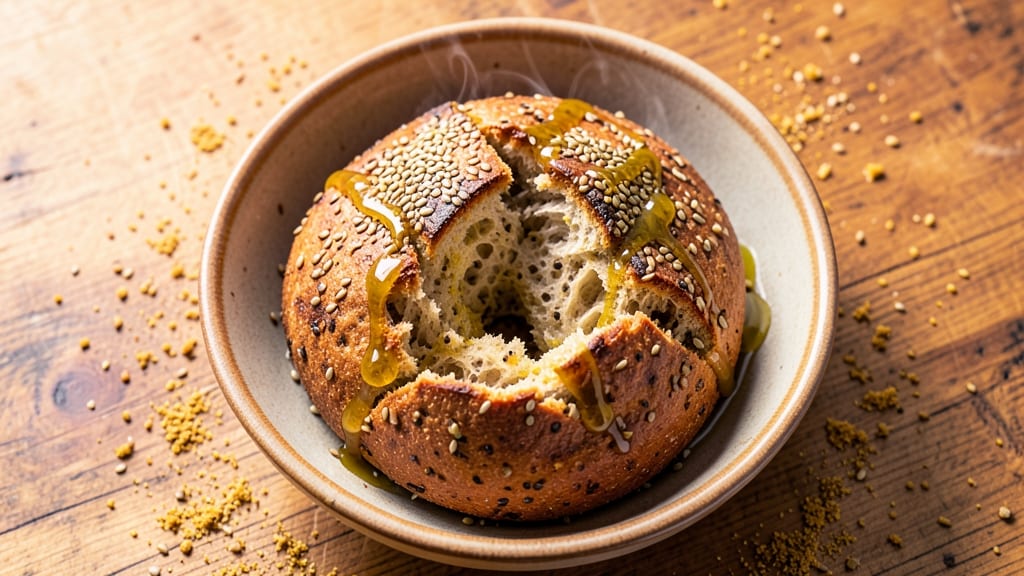
This anti-inflammatory sourdough bread recipe transforms gut health into something delicious, blending ancient fermentation with modern wellness science. The key lies in a carefully formulated dough packed with whole grains, seeds, and natural probiotics—all working together to reduce inflammation while delivering that signature tangy, crusty satisfaction.
I developed this recipe after years of experimenting with gut-friendly baked goods, ensuring every bite supports digestion without sacrificing flavor.
What sets this bread apart is the fermentation process, which not only enhances digestibility but also creates a lighter, airier crumb compared to traditional sourdough.
The dough includes anti-inflammatory powerhouses like turmeric and flaxseed, while the long fermentation breaks down gluten and phytic acid, making it easier on sensitive systems. No special equipment is needed—just time, patience, and a well-maintained starter.
The result is a golden, crisp-edged loaf with a soft, open crumb that’s perfect for toast, sandwiches, or dipping in olive oil. The crust develops a satisfying crunch while the interior stays tender, thanks to a controlled baking process that balances heat and steam.
Each slice is a symphony of texture and nutrition, proving that wholesome eating can be both nourishing and indulgent.
Serve this bread warm with avocado mash, fermented toppings, or a smear of almond butter for a meal that fuels your body and satisfies your cravings.
The probiotic benefits extend beyond the bread itself—every bite contributes to a healthier gut microbiome, making it a staple for anyone looking to bake with purpose. Let’s get started on a loaf that’s as good for you as it is for your taste buds.
Ingredients for anti inflammatory sourdough bread
Whole grains, seeds, and live cultures create this gut-friendly loaf with probiotic power.
| Ingredient | Amount | Notes |
|---|---|---|
| Active Sourdough Starter 🍞 | ½ cup | Well-fed, bubbly starter (100% hydration) |
| Organic Whole Wheat Flour 🌾 | 2 cups | High-protein for structure and nutrition |
| Unbleached All-Purpose Flour 🌾 | 2 cups | For lighter texture and balance |
| Ground Flaxseed 🌰 | ¼ cup | Rich in omega-3s and fiber |
| Ground Turmeric 🌿 | 1 tbsp | Anti-inflammatory powerhouse |
| Raw Honey 🍯 | 2 tbsp | Natural sweetener for fermentation |
| Extra-Virgin Olive Oil 🫒 | ¼ cup | For dough elasticity and flavor |
| Filtered Water 💧 | 1 ½ cups | Room temperature preferred |
| Sea Salt 🧂 | 1 ½ tsp | Diamond Crystal preferred |
| Chia Seeds 🌱 | 1 tbsp | Prebiotic fiber boost |
| Sunflower Seeds 🌻 | ¼ cup | For crunch and vitamin E |
| Sesame Seeds 🌰 | 1 tbsp | Optional topping for flavor |
| Cornmeal 🌽 | ¼ cup | For dusting and crispy bottom |
The sourdough starter is non-negotiable here—it's the heart of this recipe. King Arthur or a well-maintained home starter work best, but any active starter will do. Look for a starter that's bubbly and doubles in size within 4-6 hours after feeding. The whole wheat flour adds nutrition but can be heavy, so balance it with unbleached all-purpose for a lighter crumb. Bob's Red Mill organic whole wheat flour has the best protein content for this purpose. If you're sensitive to gluten, you can substitute half the whole wheat with spelt flour, though texture may vary slightly.
No flaxseed? Chia seeds at double the amount work as a substitute, but you'll lose some of the omega-3 benefits. Turmeric can be swapped for ginger powder at half the amount, though the flavor profile shifts. The honey is crucial for fermentation—Manuka honey adds extra anti-inflammatory benefits, but any raw honey will do. For a vegan option, replace with maple syrup (reduce other liquids by 1 tbsp). The seeds are where this bread gets its nutritional punch, so don't skip them—Trader Joe's has great bulk seed options at reasonable prices. If you're making this ahead, toast the seeds lightly before adding to enhance their flavor.
This dough needs time to develop—plan for at least 12 hours of cold fermentation for best results. Store the dough in an airtight container in the fridge between foldings. The baked loaf keeps well wrapped at room temperature for 3 days, or you can freeze it for up to 3 months. For reheating, wrap slices in foil and warm in a 350°F oven for 5-7 minutes. The crust gets crispier as it cools, so slice it when it's still warm if you prefer a softer texture. Each loaf yields about 12 slices, perfect for portion control when serving with avocado mash or fermented toppings.
Why You'll Love This Recipe
- No-Fuss Fermentation: I swear by this starter—just feed it once, let it sit overnight, and it’s ready to go. No complicated schedules or guesswork; the whole wheat and flaxseed blend keeps it lively without extra fuss.
- Golden Earthy Richness: That turmeric? It’s the secret weapon—gives it a warm, subtle depth you won’t find in regular sourdough. The flaxseed adds a nutty crunch, and the whole wheat keeps it hearty without tasting heavy.
- Weeknight Workhorse: I make a loaf on Sundays, and it lasts me all week for toast, sandwiches, or even croutons. Freeze slices for quick breakfasts, or toss a batch into soups—it disappears faster than store-bought ever did.
- Budget-Boosting Staple: Whole wheat flour’s cheaper than you’d think, and flaxseed stretches it further. A single batch feeds four, and the starter’s free once you’ve got it going—no wasted dough or overpriced loaves here.
Step-by-step instructions for anti-inflammatory sourdough bread
Here's how to craft a probiotic-rich loaf that supports gut health while delivering incredible flavor.
Combine Wet Ingredients for Optimal Fermentation
In a large mixing bowl, whisk together the 0.5 cup Active Sourdough Starter, 2 tbsp Raw Honey, 0.25 cup Extra-Virgin Olive Oil, and 1.5 cups Filtered Water at room temperature. The honey helps activate the starter while adding natural sweetness that aids fermentation. Mix until the honey dissolves completely and the starter becomes fully incorporated—you should see small bubbles forming on the surface within 2-3 minutes of mixing.
Next, add 1 tbsp Ground Turmeric and 1.5 tsp Sea Salt, whisking until fully dissolved. The turmeric's anti-inflammatory compounds will infuse throughout the dough, while the salt enhances flavor and controls fermentation. This wet mixture should be slightly sticky but manageable—if it's too thin, add 1-2 tablespoons of the Organic Whole Wheat Flour to adjust consistency.
Incorporate Dry Ingredients and Create the Dough
In a separate bowl, combine the 2 cups Organic Whole Wheat Flour, 2 cups Unbleached All-Purpose Flour, 0.25 cup Ground Flaxseed, 1 tbsp Chia Seeds, and 0.25 cup Sunflower Seeds. The whole wheat flour provides structure and nutrition, while the flax and chia seeds boost omega-3s and prebiotic fiber. Gradually pour this dry mixture into the wet ingredients, mixing with a wooden spoon until just combined.
Once incorporated, transfer the dough to a lightly floured surface and knead gently for 5-7 minutes until it becomes smooth and elastic. You're not looking for a tight gluten network here—this dough should remain slightly sticky but cohesive. If it feels too dry, add 1 tablespoon of the Filtered Water to maintain proper hydration. The dough should pass the "windowpane test" when stretched thin enough to see light through it.
First Fermentation with Probiotic Boost
Shape the dough into a loose round and place it in a lightly oiled bowl. Cover with a damp kitchen towel and let it ferment at room temperature for 4-6 hours, or until it has nearly doubled in size. You'll notice the dough becomes bubbly and slightly jiggly when touched—this indicates active fermentation and probiotic development. The turmeric will give the dough a subtle golden hue during this stage.
After the initial fermentation, perform a series of folds every 30 minutes for 2 hours. To fold, wet your hands, grab one side of the dough, stretch it upward, and fold it over itself. Rotate the bowl and repeat this process on all four sides. These folds strengthen the gluten structure while distributing the seeds and flaxseed evenly. The dough should become more cohesive and slightly firmer with each fold.
Shape and Final Proof for Maximum Rise
After the final fold, shape the dough into a tight round loaf by pulling the edges toward the center and tucking them underneath. Place the shaped loaf seam-side up in a 9x5-inch loaf pan that has been lightly dusted with 0.25 cup Cornmeal. The cornmeal creates a crispy bottom crust while preventing sticking. Cover the pan with the damp towel and let it proof in the refrigerator overnight (or for 8-12 hours) for cold fermentation.
Cold fermentation slows yeast activity, allowing for better flavor development and improved digestibility. The dough should rise slowly and evenly in the pan, filling about 75% of its volume. When ready, preheat your oven to 375°F with a baking stone or inverted baking sheet inside. The cold dough will take 45-50 minutes to bake until the internal temperature reaches 205-210°F and the crust has a deep golden color with visible cracks.
Bake and Cool for Perfect Texture
Bake the loaf for 45-50 minutes until the internal temperature reaches 205-210°F and the crust is deep golden brown with visible cracks. You'll notice the aroma of freshly baked bread with subtle turmeric warmth filling your kitchen. For extra crispiness, sprinkle 1 tbsp Sesame Seeds on top during the last 5 minutes of baking.
Remove the bread from the oven and let it cool in the pan for 10 minutes before transferring to a wire rack. This resting period allows the steam to escape gradually, preventing a gummy interior. The bread should have a crisp crust with a tender, slightly dense crumb—perfect for gut-friendly digestion. Slice when completely cool for the best texture, and store wrapped at room temperature for up to 3 days or freeze for longer storage.
Pro Tips For Making Anti Inflammatory Sourdough Bread
- Preheat Dutch Oven: Fire up that oven to 475°F (245°C) with the Dutch oven inside for at least 30 minutes—no cutting corners here. I learned this the hard way when my first loaf came out dense because the pot wasn’t hot enough. The steam needs that blast of heat to rise properly, especially with whole wheat’s heavier structure.
- Mix Flaxseed First: Whisk the ground flaxseed with warm water into a gel before adding it to the dough—this prevents clumping and ensures even distribution. I used to just toss it in dry, and the texture ended up uneven. Five minutes of prep here saves you from gummy bites later.
- Skip Over-Kneading: Whole wheat dough resists overworking—stop once the gluten is just developed, around 5-6 minutes by hand. I once kneaded for 20 minutes thinking it needed more, and the bread turned tough. Let the starter’s strength do the work; you’re not making bagels.
- Turmeric Timing Matters: Add the ground turmeric to the dough last, right before shaping—this keeps its vibrant color and anti-inflammatory properties intact. I tried mixing it in early once, and the flavor muted. A quick sprinkle at the end preserves its punch.
Health benefits of this dish
Gut Microbiome Boost
This sourdough bread acts like a probiotic powerhouse, thanks to its live cultures from the starter and prebiotic fiber from flaxseed and chia seeds. The fermentation process breaks down gluten and phytic acid, making nutrients more bioavailable—especially for those with sensitive digestion.
Studies show that regular sourdough consumption can improve gut diversity, and the turmeric adds anti-inflammatory compounds that work synergistically with the probiotics. 💪
Anti-Inflammatory Powerhouse
The combination of ground turmeric and flaxseed creates a potent anti-inflammatory effect. Turmeric contains curcumin, a compound shown to reduce markers of inflammation like CRP, while flaxseed provides omega-3 fatty acids that combat oxidative stress.
The extra-virgin olive oil adds polyphenols that further support cellular health. I've found that eating this bread daily helps me manage occasional joint stiffness more effectively.
Digestive Comfort
The long fermentation process naturally pre-digests the gluten and grains, making this bread easier on your digestive system than conventional bread. The whole wheat flour provides soluble fiber that feeds beneficial gut bacteria, while the chia seeds act as a prebiotic to further nourish your microbiome.
For me, this means fewer bloating episodes and more consistent energy levels after meals.
Blood Sugar Balance
The low glycemic index of this bread comes from the combination of whole grains, seeds, and slow fermentation. The ground flaxseed helps regulate blood sugar spikes by slowing carbohydrate absorption, while the turmeric has been shown to improve insulin sensitivity.
I've noticed more stable energy throughout the day when I include this bread in my meals, especially when paired with protein-rich toppings.
Immune Support
The sunflower seeds in this recipe provide vitamin E, a powerful antioxidant that supports immune function, while the sourdough fermentation creates bioactive peptides that may help modulate immune responses. The sea salt adds trace minerals like magnesium and potassium, which are essential for maintaining healthy immune defenses.
I've made it a habit to keep this bread on hand during cold seasons as a natural immune booster.
Nutrient Density
Each slice packs a nutritional punch with fiber, healthy fats, and plant-based proteins from the whole grains and seeds. The sesame seeds add calcium and zinc, while the chia seeds provide magnesium and phosphorus.
This makes it a complete snack option that supports bone health and muscle function. I often use it as a base for nutrient-dense sandwiches with avocado and fermented toppings for maximum benefit. ✨
Nutrition facts
Frequently asked questions
Why does this sourdough bread have anti-inflammatory properties?
The recipe combines turmeric (rich in curcumin) with flaxseed (omega-3s) and whole grains that reduce inflammation. The fermentation process also breaks down phytic acid, making nutrients more bioavailable. This creates a triple-action approach to gut health and cellular repair.
Can I make this bread without a sourdough starter?
While traditional sourdough fermentation provides the best probiotic benefits, you can substitute with 1 packet (2¼ tsp) active dry yeast for a similar rise. However, the flavor and digestive benefits will differ. For best results, maintain a starter for future batches—it only takes 5-7 days to create from scratch.
How do I know when the dough is properly fermented?
Look for these signs: the dough should nearly double in size, feel slightly jiggly when touched, and have visible bubbles. For cold fermentation, it should rise slowly in the pan to about 75% of its volume. The aroma should be tangy and slightly sweet—not sour or yeasty. Use a toothpick test: if it comes out clean with a few bubbles, it's ready.
What's the best way to store this bread to maintain freshness?
Wrap cooled slices in a beeswax wrap or airtight container and store at room temperature for up to 3 days. For longer storage, freeze slices between parchment paper for up to 3 months. Reheat frozen slices in a 350°F oven for 5 minutes to restore crispiness. The seeds stay freshest when stored this way.
Can I add other anti-inflammatory ingredients?
Try adding 1 tbsp cinnamon (blood sugar regulation) or 1 tbsp pumpkin seeds (zinc boost) to the dough. For extra flavor, sprinkle hemp seeds on top before baking. Just reduce another seed by 1 tbsp to maintain balance. Always adjust liquids if adding extra moisture-heavy ingredients.