
Side Dishes
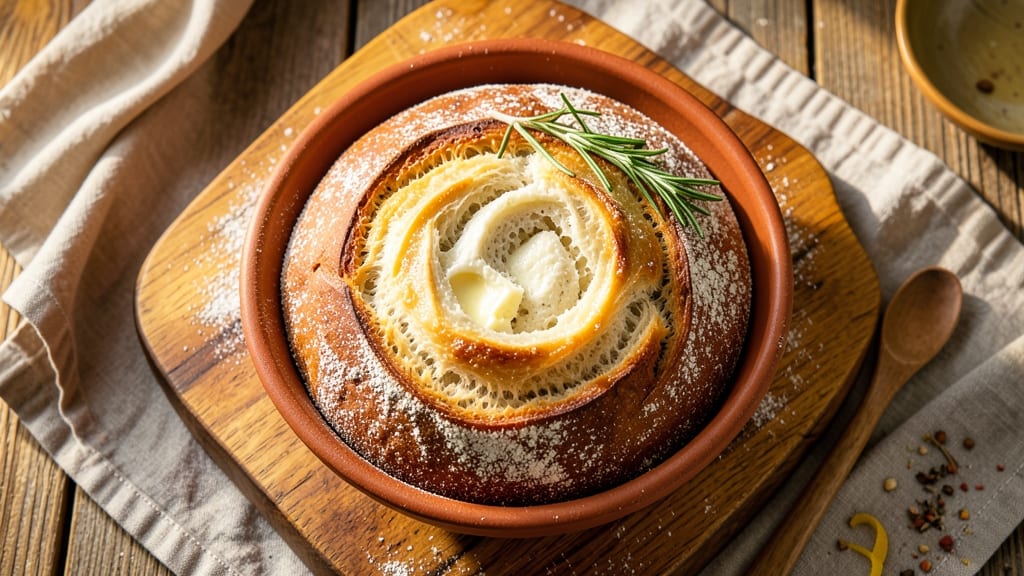
This Antigua Sunday bread recipe brings the heart of Caribbean tradition to your kitchen table, where warm, spiced loaves have been the centerpiece of island Sundays for generations.
The secret lies in the rum-infused dough—just enough to add depth without overpowering—and the slow-baked crust that turns golden and caramelized, promising a texture that's both tender inside and crisp at the edges.
What makes this more than just bread is the way it carries the flavors of Antigua itself: warm cinnamon, a whisper of nutmeg, and that signature rum warmth that transforms a simple loaf into something truly special.
The process is where the magic happens—kneading by hand to develop that signature texture, letting the dough rise slowly to achieve that airy crumb, and baking at just the right temperature to create that coveted caramelized crust.
It's a recipe that respects tradition while being approachable enough for home bakers, with each step designed to deliver that restaurant-quality result you crave.
The aroma alone as it bakes will transport you to Antigua's Sunday tables, where this bread is served warm with butter or jam, ready to be shared with family.
By the time you pull this loaf from the oven, you'll have a golden-brown masterpiece with a crackly crust that gives way to soft, pillowy bread inside—perfectly balanced between sweet and savory thanks to the rum and spices.
The crust stays crisp even after cooling, making it ideal for toasting or serving alongside soups and stews. This is more than just bread; it's a taste of Caribbean hospitality, a tradition you can now recreate in your own kitchen.
Whether you're celebrating a Sunday meal or simply craving a taste of the islands, this recipe delivers the warmth and comfort of Antigua's Sunday bread. The best part?
It keeps well for days, so you can enjoy it fresh or save slices for toast throughout the week. Let's get started on creating this beloved Caribbean classic.
Ingredients for antigua sunday bread
Eight ingredients plus rum and spices—this is your Caribbean Sunday centerpiece.
| Ingredient | Amount | Notes |
|---|---|---|
| All-Purpose Flour 🌾 | 5 cups | Unbleached, spooned and leveled |
| Active Dry Yeast 🍞 | 2 ¼ tsp | Or 1 packet (2.25 tsp) |
| Granulated Sugar 🍚 | ¼ cup | For yeast activation |
| Warm Water 💧 | 1 ¼ cups | 110°F (43°C) for yeast |
| Unsalted Butter 🧈 | ½ cup | Cold, cubed (8 tbsp) |
| Large Eggs 🥚 | 2 whole | Room temperature |
| Light Brown Sugar 🍚 | ½ cup | Packed, for sweetness |
| Dark Rum 🍹 | ½ cup | Good quality, aged (like Appleton) |
| Ground Cinnamon 🌿 | 2 tsp | Freshly ground preferred |
| Ground Nutmeg 🌿 | ½ tsp | Freshly grated for warmth |
| Salt 🧂 | 1 ½ tsp | Diamond Crystal preferred |
| Milk 🥛 | ¼ cup | Warm, for tender dough |
| Egg Wash 🥚 | 1 whole | 1 egg beaten with 1 tsp water |
| Coarse Sugar 🍚 | ¼ cup | For caramelized crust |
The rum is non-negotiable here—Appleton Estate or Diplomático are my go-tos, but any aged dark rum works. Look for 100% Caribbean rum at specialty liquor stores or well-stocked supermarkets like Whole Foods. The flour? King Arthur or Gold Medal for that signature texture. Store your flour in the freezer if you're not using it weekly—keeps bugs away and preserves freshness. The yeast is the heart of this bread, so check the expiration date. If it's past its prime, grab a fresh packet from Trader Joe's—their bulk bins are always reliable.
No rum? Substitute with orange juice plus 1 tsp vanilla extract—it won't be identical, but still delicious. Running low on brown sugar? White sugar plus 1 tsp molasses works in a pinch. The nutmeg is key for that Caribbean warmth—pre-grated loses potency fast, so buy a whole nutmeg and grate it fresh. For the butter, European-style (like Plugrá) melts better but regular unsalted works fine. The coarse sugar for the crust? Turbinado or raw cane sugar gives that perfect caramelized bite—don't use powdered or fine granulated.
This dough is a beast—it needs time. Let it rise 2 hours at room temp, then another 4-6 hours in the fridge for that deep flavor. The rum aroma intensifies as it rests, so resist the urge to rush. Baked loaves keep 3-4 days wrapped at room temp, or 1 week in the fridge. For freezing, slice first—toast straight from frozen for crispy results. The crust's magic? Brush with egg wash right before baking, then sprinkle coarse sugar immediately after—don't skip this step.
Why You'll Love This Recipe
- No Yeast Stress: Mixing the dough is literally stirring flour, sugar, and warm water—no kneading, no waiting for fancy dough to rise. Honestly, I’ve made this after a long day and still had time to spare.
- Buttery Sweet Payoff: That simple sugar-butter combo in the dough? It melts into something rich and tender, like a cross between a brioche and a sweet roll. (Yes, even on a Tuesday night.)
- Sunday Leftovers Rule: This bread stays fresh for days—perfect for toast, French toast, or even crumbled over oatmeal. My kids fight over the scraps, and I don’t even have to bake another loaf.
- Pantry Staple Magic: Five ingredients, zero specialty items. If you’ve got flour and butter, you’ve got Sunday bread. Between us, this is my go-to when I’m too tired to shop.
Step-by-step instructions for Antigua Sunday bread
This traditional loaf comes together with patience and care—each step builds rich, spiced flavor.
Activate the Yeast for a Light Texture
In a small bowl, combine the 1.25 cups warm water (around 110°F) with the 0.25 cup granulated sugar and 2.25 teaspoons active dry yeast. Let it sit for 5-10 minutes until it becomes frothy—this signals the yeast is alive and ready to work. If it doesn't bubble, your yeast may be old; start fresh with a new packet.
I always check the water temperature first with my finger—it should feel warm but not hot. Too hot water kills the yeast, and you'll end up with dense, flat bread instead of the light, airy loaf you want. The yeast activation is the foundation of everything that follows, so don't rush this step.
Mix the Dough with Rum and Spices
In a large bowl, whisk together the 5 cups all-purpose flour, 1.5 teaspoons salt, 2 teaspoons ground cinnamon, and 0.5 teaspoon ground nutmeg. Make a well in the center and pour in the yeast mixture, 0.5 cup dark rum, 0.5 cup light brown sugar, and 0.25 cup warm milk. The rum adds depth of flavor that defines this Caribbean classic.
Using a wooden spoon or dough whisk, gradually mix the ingredients until they come together into a shaggy dough. Then add the 0.5 cup cold cubed butter—this keeps the butter from melting and ensures flaky layers. Once combined, turn the dough onto a lightly floured surface and knead for 8-10 minutes until smooth and elastic. The dough should be slightly sticky but not wet.
First Rise for Flavor Development
Shape the dough into a round loaf, place it in a lightly greased bowl, and cover with a damp towel. Let it rise in a warm place for 1-2 hours until it has nearly doubled in size. The rum-infused dough will smell rich and aromatic—this is where the magic happens as the yeast works its way through the spices and sugar.
I like to set my oven to 200°F with a bowl of hot water inside to create a warm, humid environment for rising. If your kitchen is cold, this helps speed up the process. Gently press your finger into the dough—if it springs back slowly, it's ready for shaping. If it springs back quickly, let it rise a bit longer.
Shape and Second Rise for Structure
Punch down the risen dough and shape it into a round loaf, about 8 inches in diameter. Place it seam-side up in a greased 9-inch round cake pan or free-form on a parchment-lined baking sheet. Cover again and let it rise for another 30-45 minutes until puffy. The second rise gives the bread its signature height and texture.
While the dough rises, preheat your oven to 375°F. Brush the top with the egg wash (1 egg beaten with 1 teaspoon water), then sprinkle generously with the 0.25 cup coarse sugar for that signature caramelized crust. Here's where it gets exciting—the sugar will create a beautiful golden-brown crust as it bakes.
Bake to Golden Perfection
Bake the bread for 30-35 minutes until the top is deep golden brown and the internal temperature reaches 190°F. The crust should be crisp and caramelized, with a rich, rum-infused aroma filling your kitchen. If the top browns too quickly, tent loosely with foil to prevent over-browning while the center finishes cooking.
Let the bread cool in the pan for 10 minutes, then transfer to a wire rack. The warmth of the pan helps set the crust while the center finishes steaming. Slice when completely cool—this ensures clean cuts through the tender crumb. Serve warm with butter or jam for the perfect Sunday treat.
Pro Tips For Making Antigua Sunday Bread
- TEST YOUR YEAST FIRST: Skip the guesswork—mix 1 packet yeast with ¼ cup warm water and 1 tsp sugar, then wait 5-10 minutes for frothy bubbles. If nothing happens, your yeast is dead, and you’ll save yourself a sad, flat loaf.
- SOAK THE BUTTER: Cut that unsalted butter into tiny cubes and toss it into the warm water before mixing with flour. It’ll melt faster and distribute evenly—no more greasy pockets or dry spots in your bread.
- DON’T OVERKNEAD: Antigua Sunday Bread is tender, not tough. Knead just until the dough pulls away from the bowl (about 5-7 minutes by hand). Overwork it, and you’ll end up with a chewy brick instead of that light, airy crumb.
- STEAM THE PAN: Before baking, pour a splash of warm water into the bottom of your pan and let it steam for 2 minutes. The extra moisture keeps the crust from drying out too fast—critical for that classic Sunday Bread shine.
Perfect pairings for this recipe
Classic Caribbean Servings
Serve your Antigua Sunday bread fresh from the oven with butter softened to room temperature—just scoop it with a butter knife and spread generously. The warm crust soaks up the butter beautifully, creating a rich, buttery bite that balances the spiced interior.
For a sweet touch, pair with guava jam or mango preserves—the tropical fruit flavors complement the rum and cinnamon perfectly. 🍯
Breakfast Pairings
Turn your bread into a hearty breakfast by toasting slices and topping with scrambled eggs and crumbled feta cheese. The salty feta cuts through the sweetness of the rum and spices, while the eggs add protein for a satisfying meal.
For a Caribbean-inspired twist, add sliced avocado and a sprinkle of chili flakes—the creaminess of the avocado contrasts wonderfully with the crisp crust.
Tea Time Tradition
No Caribbean Sunday is complete without tea! Serve warm slices of this bread with Earl Grey tea or hibiscus iced tea—the bergamot in Earl Grey enhances the nutmeg and cinnamon, while hibiscus adds a tart, refreshing note.
For a boozy twist, pour a small amount of dark rum (like the one in the recipe) over the bread before serving—it’s a nod to Antigua’s love of rum and a delicious way to enjoy the flavors twice. ☕
Soup and Stew Companion
This bread is perfect for soaking up broths! Serve with Antigua-style fish stew or coconut milk-based curries—the crust stays crisp even when dipped, while the soft interior absorbs the rich flavors of the dish.
For a lighter option, pair with tomato and okra soup, a Caribbean classic that balances the bread’s sweetness with the soup’s tangy, savory notes.
Dessert Twist
Drizzle melted dark chocolate over a slice of warm bread and top with toasted coconut flakes for a decadent dessert. The rum in the bread deepens the chocolate’s flavor, while the coconut adds a tropical crunch.
For a lighter option, spread with whipped cream and a sprinkle of cinnamon—it’s like a Caribbean version of bread pudding without the baking. 🍫
Beverage Pairings
Pair your bread with Caribbean coffee (like Blue Mountain coffee from Jamaica) for a bold, aromatic contrast. The coffee’s earthy notes complement the bread’s sweet-spiced profile. For a non-coffee option, try ginger beer—the spicy kick of the ginger enhances the nutmeg and cinnamon in the bread.
If you prefer alcohol, a light rum cocktail (like a rum punch with lime and mint) ties the flavors together beautifully. 🍹
Nutrition facts
Frequently asked questions
Why does Antigua Sunday bread have rum in it?
The rum isn't just for flavor—it's a cultural tradition! In Antigua, rum is a staple, and adding it to the bread creates that signature warm, aromatic depth that defines Caribbean baking. The alcohol evaporates during baking, leaving behind rich molasses-like notes that pair perfectly with the cinnamon and nutmeg. It's what makes this bread taste authentically Antiguan rather than just another spiced loaf.
Can I make this bread without rum?
Yes, but the flavor will be different! For a rum-free version, substitute with ½ cup orange juice plus 1 teaspoon vanilla extract. The vanilla adds warmth, though it won't replicate the rum's depth. If you're avoiding alcohol entirely, this substitution works well for kids or those who prefer non-alcoholic versions. The bread will still be delicious—just with a slightly lighter character.
How do I know when the bread is fully baked?
Look for three key signs: the crust should be deep golden brown with caramelized spots, the internal temperature should reach 190°F (use a meat thermometer), and it should sound hollow when tapped on the bottom. If the top browns too quickly, tent loosely with foil to prevent over-browning while the center finishes cooking. The aroma will also be rich and spicy—when your kitchen smells like warm rum and cinnamon, it's ready!
Can I shape this bread differently?
While the traditional round loaf is classic, you can also shape it into a free-form boule or even a braided loaf for a festive touch. For a rustic look, bake on a parchment-lined baking sheet. Just ensure the dough is properly proofed before shaping—this bread benefits from its round form, which helps create that signature caramelized crust. If you try a different shape, brush with extra egg wash for that golden finish.
Why does my dough smell so strong?
The strong rum aroma is normal and actually a good sign! The rum's alcohol content releases more quickly during the first rise, creating that rich, spiced fragrance. If your kitchen smells like a Caribbean rum distillery, you're on the right track. The scent will mellow slightly as the dough bakes, but that initial punch means your spices and rum are working perfectly. Don't worry—it won't taste like alcohol in the finished bread!