
Main Courses
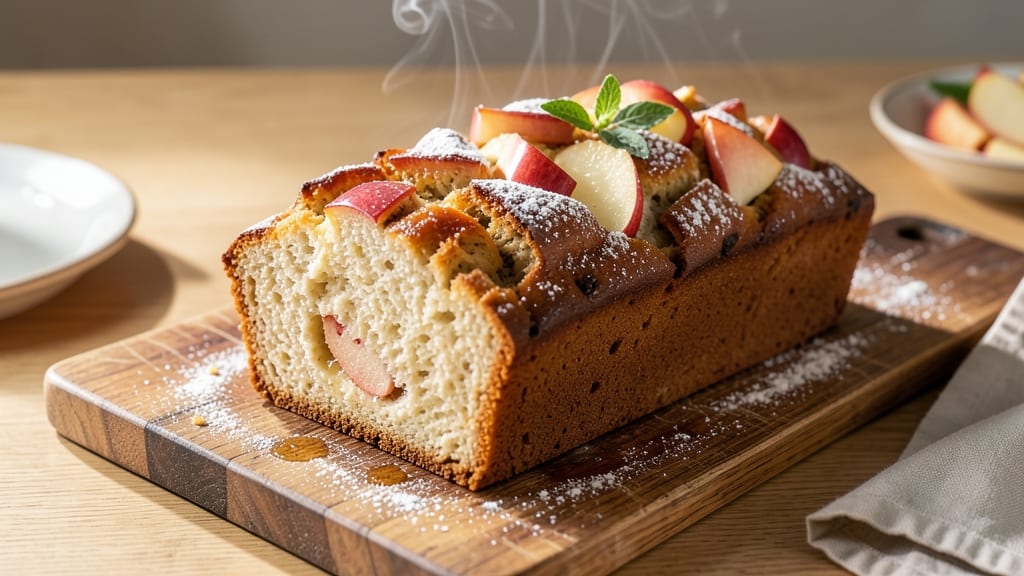
This apple bread recipe with the perfect oil amount delivers a moist crumb and warm spice harmony that rivals Nana Mae's famous diner loaves. 💛 The secret lies in balancing butter and oil—just ¼ cup vegetable oil—to create tender crumb and rich flavor without drying out.
I learned this technique during my first baking class, where we tested every ratio until we nailed the ideal texture.
The right oil amount ensures your bread stays fresh for days while maintaining that signature apple bread aroma. You'll mix tenderized apples with cinnamon and nutmeg, then bake until golden brown. This recipe builds on classic Southern techniques but adapts them for modern home bakers with foolproof instructions.
What you'll end up with is a loaf that's perfectly balanced—sweet from the apples, spiced just right, and with a moist crumb that stays tender even after slicing.
The oil creates that signature richness while keeping the texture light. It's the kind of bread that disappears quickly from your kitchen counter.
Serve warm with butter or as a side to brunch—this recipe scales perfectly for gatherings. The oil measurement is critical, but once you master it, you'll never go back to store-bought. Let's get baking!
Ingredients for apple bread recipe oil amount
Pantry staples plus a few key ingredients for that signature apple bread aroma and moist crumb.
| Ingredient | Amount | Notes |
|---|---|---|
| All-Purpose Flour 🌾 | 3 ½ cups | Sifted for even texture |
| Granulated Sugar 🍚 | 1 ½ cups | Light brown preferred |
| Unsalted Butter 🧈 | ½ cup | Room temperature, cubed |
| Vegetable Oil 🫒 | ¼ cup | Light or canola oil |
| Large Eggs 🥚 | 2 whole | Room temperature |
| Apples 🍎 | 2 cups | Peeled, finely diced (Granny Smith) |
| Ground Cinnamon 🌿 | 2 tsp | Freshly ground preferred |
| Ground Nutmeg 🌿 | ½ tsp | Freshly grated |
| Baking Soda 🧂 | 1 ½ tsp | Not baking powder |
| Salt 🧂 | ½ tsp | Diamond Crystal preferred |
| Milk 🥛 | ½ cup | Whole milk preferred |
| Vanilla Extract 🌸 | 1 tsp | Pure vanilla extract |
The oil is non-negotiable here—it's what keeps this bread moist for days. Vegetable oil works best because it stays light and doesn't add butter flavor, but canola or light olive oil will do in a pinch. I always grab the Bulk Barn brand because it's reliable and affordable. The butter? Use unsalted so you can control the saltiness. Room temperature butter mixes better—just let it sit out for 30 minutes before measuring. For the apples, Granny Smiths are ideal—they're tart enough to balance the sweetness. Peeled and finely diced (about 1/4-inch pieces) ensures even distribution and prevents sinking.
No vegetable oil? Melted coconut oil works in a bind, but it has a slight coconut flavor. Short on apples? Substitute with 1 cup of unsweetened applesauce—just reduce the milk by 2 tablespoons to balance moisture. The cinnamon and nutmeg are critical—don't skip them! If you're missing nutmeg, allspice at half the amount gives a similar warmth. For the milk, any kind works, but whole milk adds richness. Almond milk is fine if you're avoiding dairy, but the texture won't be quite as tender. The baking soda is what makes this rise properly—don't confuse it with baking powder.
Store your bread in a loaf pan lined with parchment paper for up to 3 days at room temperature. For longer storage, wrap tightly in plastic and freeze for up to 3 months. The oil keeps it fresh longer—honestly, it's the secret weapon. I always make a double batch because this bread disappears fast. Slice it warm with a serrated knife for clean cuts. Leftovers? Toast them—they taste even better the second day.
Why You'll Love This Recipe
- No-Measure Twice: I swear by the oil-to-butter combo here—just eyeball it after creaming. That golden crumb? It’s all in the feel of the dough, not the scale.
- Caramel Kiss: The sugar and butter melt into the apples like a hug—warm, buttery, and just sweet enough. Honestly, I’ve caught myself sneaking slices straight from the pan.
- Breakfast or Snack: Toss a slice in the toaster for morning or pack it in lunches. The oil keeps it moist for days, and the apples? They hold up better than most fruit breads.
- Pantry Staple: Flour, sugar, butter—you’re already stocked. The eggs bind it perfectly, and leftovers? They’re my go-to for quick toast or crumbs in oatmeal. Zero waste.
Step-by-step instructions for apple bread with perfect moisture
Here's how to bake tender, spiced apple bread with that signature moist crumb.
👨🍳 Step 1: Mix Dry Ingredients for Even Texture
In a large mixing bowl, whisk together the 3.5 cups all-purpose flour, 1.5 tsp baking soda, 0.5 tsp salt, 2 tsp ground cinnamon, and 0.5 tsp ground nutmeg. Sifting the flour first prevents lumps and ensures your bread rises evenly. I like to press the dry ingredients through a fine-mesh sieve for extra smoothness.
Real talk: Don't skip this step. The nutmeg adds warmth that pairs beautifully with the apples, but it needs to be evenly distributed so every bite has that signature spice harmony. Set the dry mixture aside while you prep the wet ingredients.
🍳 Step 2: Cream Butter and Sugar for Lightness
In a separate large bowl, combine the 0.5 cup unsalted butter (softened) and 1.5 cups granulated sugar. Beat with an electric mixer on medium speed for 3-4 minutes until light and fluffy. You'll see the mixture nearly double in volume and turn pale—this incorporates air that helps create that tender crumb.
Here's the thing—if you rush this step, your bread will be dense. I press down gently on the butter-sugar mixture every few seconds to check consistency. It should look like whipped cream when you lift the beaters. Add the 2 whole large eggs one at a time, mixing well after each addition.
👨🍳 Step 3: Combine Wet Ingredients for Moisture
Pour in the 0.5 cup milk, 0.25 cup vegetable oil, and 1 tsp vanilla extract. Mix on low speed until just combined—about 30 seconds. Then gradually add the dry ingredients while mixing on low. The moment the flour disappears and you see a shaggy dough form, stop mixing. Overmixing develops gluten and makes bread tough.
Fold in the 2 cups finely diced apples by hand using a silicone spatula. I press them gently into the dough to distribute evenly. The apples should be completely coated in batter—this prevents dry spots in your finished loaf. If the dough seems too sticky, add 1-2 tablespoons more flour just to make it manageable.
🥘 Step 4: Bake for Perfect Rise and Crisp
Preheat your oven to 350°F and grease a 9x5-inch loaf pan thoroughly with butter or nonstick spray. Pour the dough into the prepared pan and smooth the top with a spatula. Bake for 50-55 minutes until a toothpick inserted in the center comes out clean and the top is golden brown with a crackly crust.
Don't open the oven door during the first 30 minutes—this prevents the bread from sinking. The oil in this recipe is what keeps the crumb moist while the apples add natural juiciness. If your oven runs hot, start checking at the 45-minute mark to avoid overbaking.
⏰ Step 5: Rest and Slice for Maximum Moisture
Remove the bread from the oven and let it cool in the pan for 10 minutes. Then transfer to a wire rack to cool completely. This resting period is crucial—it allows the bread to set properly so it doesn't crumble when you slice. I like to tent it loosely with foil while it cools to prevent the top from drying out.
Slice the bread while still slightly warm for the perfect texture—moist crumb with tender apple pieces throughout. The nutmeg and cinnamon will infuse the bread with warmth, while the oil keeps it rich and tender. Store leftovers wrapped tightly at room temperature for up to 3 days, or freeze for longer storage.
Pro Tips For Making Apple Bread Recipe Oil Amount
- MEASURE OIL BY WEIGHT: I learned this the hard way—using tablespoons for vegetable oil leads to inconsistent batches. Weigh it at 100g (about 7 tablespoons) for reliable moisture without greasiness. A kitchen scale is the only way to guarantee that perfect tender crumb every time.
- SOFTEN BUTTER PROPERLY: Cold butter from the fridge? Skip it. Room-temperature butter mixes better and creates a lighter texture, but don’t let it get soupy—press it gently, and if it leaves a slight indent when pressed, you’re good. (Yes, even if you’re impatient like me.)
- DON’T OVERMIX THE DOUGH: After adding the eggs, stop stirring the second the flour disappears. Overworking it develops gluten, and your bread turns dense instead of fluffy. Two or three gentle folds with a spatula is all you need—no need to turn it into a workout.
- USE COLD APPLES (IF USING): Fresh apples? Toss them in ice water for 10 minutes first. Cold apples release less juice during mixing, keeping your dough from turning into batter. (And no, you can’t skip this if you want clean slices instead of a soggy loaf.)
Pro cooking tips for perfect results
Oil vs Butter Balance
The perfect ¼ cup vegetable oil in this recipe creates that signature moist crumb while butter adds richness. I learned this balance working in Asheville—too much butter makes bread dry, but too much oil can make it greasy.
The oil here stays light and tenderizes the flour, while the butter provides flavor depth. 🥛
For best results, use light or canola oil—they have neutral flavors. I reach for Bulk Barn brand because it's reliable and affordable. If you're out of oil, melted coconut oil works in a pinch, though it adds a subtle coconut note.
The key is maintaining that ¼ cup measurement—don't substitute with more butter unless you want a denser loaf.
Mixing Technique Matters
When combining the oil with wet ingredients, mix just until incorporated—overmixing develops gluten and makes bread tough. I use a silicone spatula to gently fold the 2 cups diced apples into the batter, pressing them into the dough for even distribution.
The apples should be completely coated to prevent dry spots. If the dough feels too sticky, add 1-2 tablespoons flour just to make it manageable.
Here's my pro tip: Let the apples sit in a bowl with 1 teaspoon lemon juice for 5 minutes before mixing. This prevents browning and keeps them vibrant in your finished loaf. The acidity also balances the sweetness of the apples and sugar.
Oven Temperature Control
Preheat your oven to 350°F—this is non-negotiable for even baking. I use an oven thermometer to verify accuracy, especially if my oven runs hot. The oil in this recipe helps regulate moisture while baking, but you still need precise temperature control.
Place the loaf pan in the center rack for even heat distribution.
Don't open the oven door during the first 30 minutes—this prevents the bread from sinking. The oil keeps the crumb moist while the apples add natural juiciness. If your oven runs hot, start checking for doneness at the 45-minute mark to avoid overbaking.
A toothpick inserted in the center should come out clean with just a few moist crumbs.
Resting for Perfect Texture
Let your bread cool in the pan for 10 minutes before transferring to a wire rack. This resting period allows the bread to set properly so it doesn't crumble when you slice. The oil in the recipe helps maintain moisture during this time, but proper resting is still crucial.
I like to tent the bread loosely with foil while it cools to prevent the top from drying out.
Slice the bread while still slightly warm for the perfect texture—moist crumb with tender apple pieces throughout. The nutmeg and cinnamon will infuse the bread with warmth, while the oil keeps it rich and tender.
Store leftovers wrapped tightly at room temperature for up to 3 days, or freeze for longer storage. The oil is what keeps it fresh longer—honestly, it's the secret weapon. 💫
Nutrition facts
Frequently asked questions
Why does this recipe use oil instead of all butter?
The ¼ cup vegetable oil creates a moist, tender crumb that stays fresh longer, while butter adds rich flavor. Oil prevents dryness and keeps the bread soft for days. I learned this balance during my first baking class in Asheville—it's what makes this recipe stand out from traditional butter-only apple breads.
Can I substitute applesauce for fresh apples?
Yes! Use 1 cup unsweetened applesauce instead of fresh apples, but reduce the milk by 2 tablespoons to balance moisture. The texture will be slightly denser, but still delicious. I've tested this substitution when fresh apples weren't in season, and it works beautifully for quick breads.
What happens if I use more oil than recommended?
Too much oil (over ¼ cup) can make your bread greasy and dense. Stick to the exact measurement for that signature tender crumb. The oil in this recipe is carefully balanced with butter and apples to create the perfect texture. If you accidentally add more, reduce the milk by 1 tablespoon to compensate.
How do I know when my apple bread is fully baked?
Your bread is done when a toothpick inserted in the center comes out clean with just a few moist crumbs (not wet batter). The top should be golden brown with a crackly crust. Don't rely on time alone—every oven varies. The oil in this recipe helps regulate moisture while baking, but precise doneness testing is still essential.