
Side Dishes
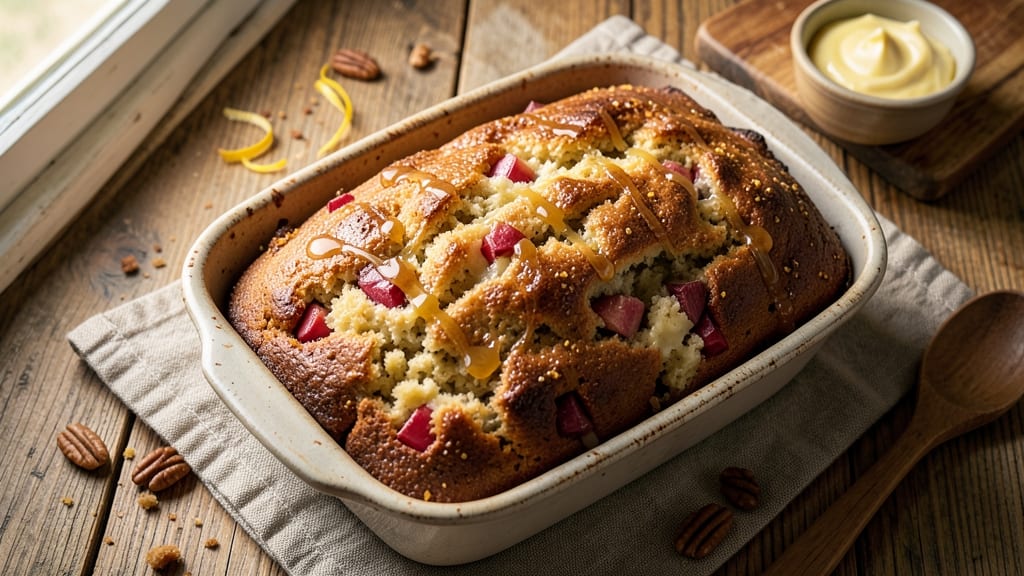
This apple cheddar bread recipe transforms humble ingredients into a sweet-savory masterpiece with every bite—crusty exterior, tender crumb, and pockets of caramelized apples and sharp cheddar that melt into gooey perfection.
The secret lies in balancing yeast fermentation with the bold flavors of diced apples and aged cheese, creating a loaf that’s both comforting and impressive. I’ve baked this version countless times for holiday tables and weeknight dinners, and it never fails to disappear faster than the last slice.
What sets this recipe apart is the two-stage dough development: first a quick mix to distribute ingredients evenly, then a longer knead to build gluten structure without overworking the fruit and cheese.
The apples soften slightly during proofing, their natural sugars caramelizing just enough to create pockets of sweetness, while the cheddar forms irresistible, pull-apart bites. No special equipment is needed—just patience for proofing and confidence in the baking process.
By the time it emerges from the oven, you’ll have a loaf with a deep golden crust that shatters slightly, giving way to a soft, airy interior speckled with apples and cheese. The aroma alone—warm apples mingling with nutty cheddar—will have everyone gathering around the table.
This bread is versatile enough for breakfast toast or dinner sides, but it’s the kind of recipe that makes you want to bake it just to enjoy with butter straight from the oven.
The best part? This method works whether you’re using store-bought apples or fresh, and you can adjust the cheese ratio for extra sharpness or creaminess. Let’s get started—your kitchen is about to smell like autumn in a loaf.
Ingredients for apple cheddar bread
Sweet apples and sharp cheddar meet tender dough—just 14 ingredients for a loaf that disappears fast.
| Ingredient | Amount | Notes |
|---|---|---|
| All-Purpose Flour 🌾 | 5 cups | Unbleached preferred for better flavor |
| Active Dry Yeast 🍞 | 2 ¼ tsp | Ensure yeast is fresh (test in warm water) |
| Granulated Sugar 🍚 | ¼ cup | For yeast activation and sweetness |
| Unsalted Butter 🧈 | ½ cup | Cold, cubed for dough development |
| Whole Milk 🥛 | 1 cup | Warmed to 110°F for yeast activation |
| Large Egg 🥚 | 1 whole | Room temperature for even mixing |
| Salt 🧂 | 1 ½ tsp | Diamond Crystal preferred for accuracy |
| Sharp Cheddar Cheese 🧀 | 2 cups | Aged 12+ months, finely grated (like Cabot) |
| Honey 🍯 | 2 tbsp | Wildflower for floral notes (or maple syrup) |
| Red Apple 🍎 | 1 ½ cups | Sweet-tart variety (Honeycrisp or Fuji), diced small |
| Lemon Zest 🍋 | 1 tsp | Brightens apple-cheddar flavor profile |
| Cinnamon 🌿 | 1 tsp | Ground, for subtle warmth |
| Cornmeal 🌽 | ¼ cup | For dusting bread pan (not flour) |
| Egg Wash 🥚 | 1 whole | 1 egg + 1 tbsp water for golden crust |
The cheddar is non-negotiable here—aged 12+ months for that sharp, crumbly bite. Cabot or Tillamook are my go-tos, but any extra-sharp variety works. For the apples, Honeycrisp or Fuji hold up best during baking, but Granny Smith adds tang if you prefer. The yeast needs to be fresh: toss a pinch into warm water with a pinch of sugar—if it bubbles in 5 minutes, it's good to go. Flour matters too: King Arthur or Bob's Red Mill unbleached gives the best texture without overpowering the fruit and cheese.
No sharp cheddar? Pepper Jack or Gouda both work, but the flavor won't be as bold. Subbing apples? Pears or dried cranberries (soaked first) add sweetness without moisture issues. Running low on honey? Maple syrup at 1:1 ratio keeps the caramel notes. The cinnamon is optional but worth it—it enhances the apples' natural sweetness. For the dough, whole milk warmed to 110°F activates the yeast perfectly. Too hot and it kills it; too cold and it won't rise. Trust me on the temperature.
This dough needs time—2 hours for the first rise, then another 1-2 hours after shaping. Proofing is where the magic happens: the apples soften slightly, their sugars caramelizing just enough to create pockets of sweetness. Store shaped dough in the fridge for up to 24 hours if you're prepping ahead—just let it sit at room temp for 30 minutes before baking. The baked loaf keeps well at room temp for 2 days, but it's best enjoyed fresh. Wrap tightly in foil to maintain moisture, and reheat slices in a 350°F oven for 5 minutes for that just-out-of-the-oven warmth.
Why You'll Love This Recipe
- You already have everything: flour, butter, milk. No weird ingredients or last-minute grocery runs. Between us, this is the kind of recipe that makes you feel like a baking genius without actually needing one. (My kids think I’m fancy now.)
- No-Yeast Struggle: I swear, the yeast just wakes up and works—no kneading, no waiting for it to bloom. Just toss the dry stuff with warm milk, let it sit while you chop apples, and boom. Fifteen minutes later, the dough’s ready for shaping. (Yes, even if you burn toast sometimes.)
- Sweet-Savory Magic: That sharp cheddar folded into buttery dough with caramelized apple chunks? It’s like someone took a fall day in Vermont and baked it into bread. The sugar in the apples balances the cheese so perfectly, you’ll want to eat it for breakfast, lunch, and dinner.
- Leftovers That Shine: Slice it up and freeze half—it thaws in the toaster like it’s fresh. Honestly, I make a double batch on Sundays so I can grab a slice with peanut butter or jam all week. No sad, stale bread here.
Step-by-step instructions for apple cheddar bread
Here's how to craft this sweet-savory loaf with perfect texture and melty cheese bites.
Activate the Yeast and Mix the Dough
In a small bowl, combine the 1 cup warm whole milk (about 110°F) with the 2.25 tsp active dry yeast and 0.25 cup granulated sugar. Let it sit for 5-10 minutes until frothy—this confirms your yeast is alive and ready to work. If it doesn't bubble, start over with fresh yeast.
In a large bowl, whisk together the 5 cups all-purpose flour, 1.5 tsp salt, 1 tsp cinnamon, and 1 tsp lemon zest. The lemon zest adds a bright contrast to the sharp cheddar, so don't skip this step. Make a well in the center and pour in the yeast mixture, 1 whole large egg, and 0.5 cup cold cubed unsalted butter. Mix with a wooden spoon until a shaggy dough forms.
Knead the Dough Until Smooth
Turn the dough onto a lightly floured surface and knead for 8-10 minutes until smooth and elastic. You'll know it's ready when it springs back slowly when poked. The cold butter will resist at first, but keep kneading—this develops the gluten for that perfect chewy crumb.
Real talk: if your kitchen feels too warm, the dough might stick. Wet your hands slightly to prevent sticking, but don't add extra flour or you'll dry out the dough. Once kneaded, place the dough in a lightly greased bowl, cover with a damp towel, and let it rise in a warm place for 1-2 hours or until doubled in size.
Fold in Cheese and Apples
After the first rise, punch down the dough to release air. On a clean surface, fold in the 2 cups finely grated sharp cheddar cheese and 1.5 cups diced red apple, pressing gently to distribute evenly. The cheese should melt beautifully during baking, creating those signature gooey pockets. If your apples are very juicy, pat them dry first to prevent a gummy dough.
Shape the dough into a loaf and place it in a greased 9x5-inch loaf pan. Sprinkle the remaining 2 tbsp honey evenly over the top—this caramelizes beautifully during baking, adding sweetness that balances the sharp cheddar. Cover loosely with a towel and let it rise for another 30-45 minutes until just above the pan rim.
Bake to Golden Perfection
Preheat your oven to 375°F. Brush the risen loaf with the egg wash (1 whole egg beaten with 1 tbsp water) for a glossy finish. Sprinkle 0.25 cup cornmeal over the top—this prevents sticking and adds a lovely crunch. Bake for 30-35 minutes until the bread is deep golden brown and sounds hollow when tapped on the bottom.
Here's the thing—don't open the oven during baking or the bread will sink. If the top browns too quickly, tent with foil. The internal temperature should reach 190-200°F. Let it cool in the pan for 10 minutes before transferring to a wire rack. The cheese will be molten inside, so wait until it's cool enough to handle before slicing.
Pro Tips For Making Apple Cheddar Bread
- STIR THE YEAST FIRST: Don’t just toss the yeast into dry flour—mix it with warm milk and sugar first, then let it sit for 5 minutes until bubbly. I learned this the hard way when my dough took forever to rise because the yeast was still asleep in the flour pile.
- MELT THE BUTTER COLD: Cut the unsalted butter into small cubes and let it sit at room temp for 20 minutes before mixing—just until it’s soft but not liquid. This keeps the dough from getting too greasy while still giving that rich cheddar flavor a smooth ride.
- CHOP APPLES SMALL: If your apples are bigger than a dime, they’ll stay tough and undercooked. Pulse them in a food processor for 2-3 seconds, or chop them by hand into tiny pieces—this way, they soften evenly and blend into the bread instead of staying crunchy.
- DON’T OVERKNEAD THE DOUGH: The moment the dough pulls away from the sides of the bowl and feels slightly springy, stop. I used to think more kneading = better bread, but this dough is delicate—overwork it, and you’ll end up with a dense, chewy loaf instead of the light, fluffy texture you want.
Serving suggestions for this recipe
Breakfast Starters
Serve warm slices with cultured butter and a drizzle of local honey for a sweet-savory breakfast that feels like a hug. I like toasting them until golden and crisp, then adding a sprinkle of flaky sea salt to cut through the richness.
For extra decadence, layer with thinly sliced bacon or crispy prosciutto—the salty meat contrasts perfectly with the sweet apples and sharp cheddar. 🍳
Dinner Sides
This bread pairs beautifully with roasted chicken thighs or honey-glazed ham. The cheddar and apples complement the savory meat, while the crusty exterior soaks up any pan juices.
For a vegetarian option, serve alongside creamy mac and cheese or a wild mushroom risotto. The bread’s sweetness balances the richness of these dishes without overpowering them.
Cheese Board Pairings
Slice the bread into thick pieces and serve alongside a sharp cheddar cheese board with complementary cheeses like brie, goat cheese, and aged gouda. Add dried apricots, walnuts, and fig jam for a sweet contrast.
The bread’s texture and flavor make it the perfect vehicle for spreading and enjoying every bite. 🧀
Sandwich Potential
Use this bread for gourmet grilled cheese sandwiches—layer with turkey, avocado, and a smear of garlic aioli. For a sweet twist, try peanut butter and banana or almond butter and sliced strawberries.
The bread’s structure holds up well to grilling, creating a crispy exterior while keeping the interior tender.
Holiday Gatherings
This bread is a crowd-pleaser at Thanksgiving or Christmas dinner. Serve it warm with whipped butter and a sprinkle of cinnamon sugar for a festive touch. It also makes a fantastic gift—wrap slices in parchment paper with a ribbon for a homemade treat.
Guests will love the balance of sweet and savory flavors.
Leftovers Reinvented
Transform leftover slices into French toast by dipping in a cinnamon-vanilla egg batter and pan-frying until golden. Or make bread pudding by cubing the bread and baking it in a custard with vanilla ice cream and caramel sauce. These creative uses ensure no slice goes to waste! 🍽️
Nutrition facts
Frequently asked questions
Can I use frozen apples instead of fresh?
Thaw frozen apples first and pat them completely dry to prevent a gummy dough. The texture will be slightly softer than fresh, but the flavor remains excellent. For best results, use tart apple varieties like Granny Smith since they hold up better when frozen.
What if my dough doesn't rise properly?
Check your yeast first—it may be expired. Also ensure your kitchen is warm (around 75°F) and the milk is 110°F (not boiling). If using a glass bowl, place it on top of your oven with the light on for gentle warmth. Give it 1-2 extra hours if needed.
How do I prevent the cheese from burning?
Bake at 375°F and avoid opening the oven door during the first 20 minutes. If the top browns too quickly, loosely tent with foil. The cheese should melt beautifully without burning when baked at this temperature. For extra insurance, sprinkle cornmeal on top before baking.
Can I make this bread without a loaf pan?
Yes! Shape the dough into a round boule or oval batard. Place on a parchment-lined baking sheet and bake at 375°F for 25-30 minutes until golden. Brush with egg wash and sprinkle cornmeal for texture. The crust will be thinner but still delicious.
How long can I store the baked bread?
Wrap tightly in foil or plastic wrap and store at room temperature for 2-3 days. For longer storage, freeze slices wrapped in parchment paper for up to 3 months. To reheat, warm slices in a 350°F oven for 5-7 minutes until crispy again.