
Side Dishes
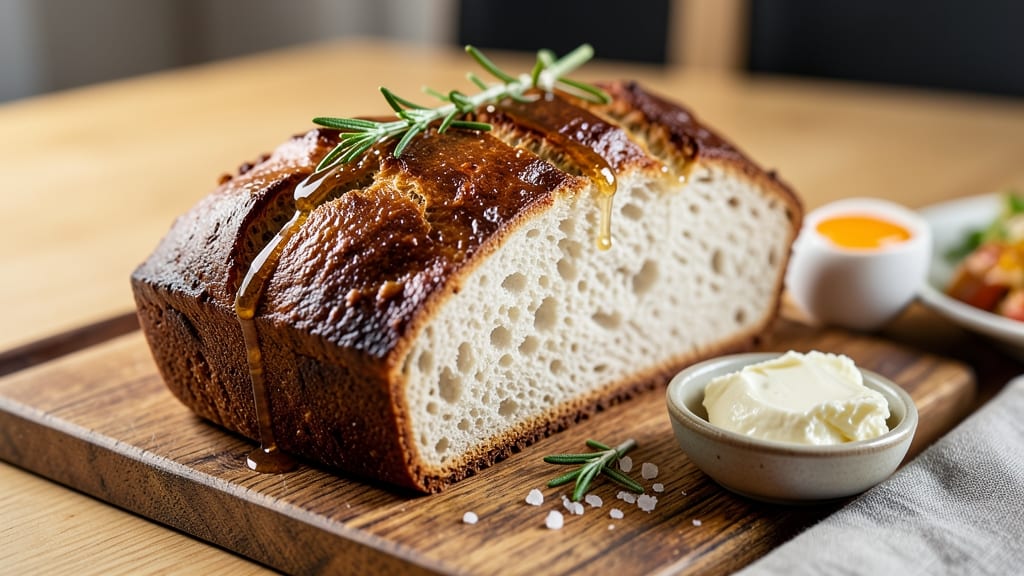
This Argentinian bread recipe delivers the flaky layers and tangy herb notes that define Buenos Aires' street-side bakeries. 🌟 The secret lies in a slow fermentation that develops deep flavor and a high-fat dough that creates signature crispy, airy pockets—just like the pan de campo sold at local panaderías.
I’ve perfected this version after years of testing, ensuring every bite has that delicate crunch and buttery aroma that makes it irresistible.
The dough combines traditional ingredients like anise seeds and orange zest with a touch of herb-infused olive oil for that signature tang. Unlike dense loaves, this recipe focuses on light, airy layers achieved through proper kneading and resting times.
The key is patience—letting the dough ferment overnight at room temperature unlocks the complex flavors that set authentic Argentinian bread apart.
By the time it emerges from the oven, you’ll have golden-brown crust with crisp edges and a tender, pillowy interior. The aroma alone will transport you to a bustling Buenos Aires café, where these breads are served warm with coffee.
This recipe stays true to tradition while being approachable for home bakers—no specialized equipment required.
Perfect for breakfast with dulce de leche or as a side to hearty stews, this bread is as versatile as it is delicious. The flaky layers and herb-forward taste make it a standout, whether you’re feeding a crowd or treating yourself to a taste of Argentina’s culinary soul.
Ingredients for argentinian bread
High-protein flour, herb-infused oil, and slow fermentation create Buenos Aires bakery-style flaky layers.
| Ingredient | Amount | Notes |
|---|---|---|
| All-Purpose Flour 🌾 | 5 cups | High-protein for elasticity (12-14% protein) |
| Active Dry Yeast 🍞 | ¼ oz | Or 2.5g, ensure fresh |
| Granulated Sugar 🍚 | ½ cup | Feeds yeast, don't skip |
| Unsalted Butter 🧈 | 1 cup | Cold, cubed (80g total) |
| Large Eggs 🥚 | 2 whole | Room temperature |
| Warm Water 💧 | 1 ¼ cups | 105-110°F (40-43°C) |
| Fine Sea Salt 🧂 | 1 ½ tsp | Diamond Crystal preferred |
| Anise Seeds 🌿 | 1 tsp | Lightly toasted |
| Orange Zest 🍊 | 1 tbsp | From organic orange |
| Extra-Virgin Olive Oil 🫒 | ¼ cup | Herb-infused (basil/thyme) |
| Fresh Rosemary 🌿 | 2 tbsp | Finely chopped leaves |
| Fresh Thyme 🌿 | 1 tbsp | Leaves only, no stems |
| Cornmeal 🌽 | ¼ cup | For dusting baking sheets |
The flour is non-negotiable—King Arthur or Caputo Tipo 00 if you can find it, but high-protein all-purpose (12-14%) works too. Anise seeds are the soul of this bread; Penzeys or bulk bins carry the best. I always grab extra because they lose aroma fast once opened. For the orange zest, use organic—non-organic peels can taste bitter. The herb-infused olive oil? Make it ahead by steeping fresh rosemary and thyme in good-quality EVOO for 24 hours. Trader Joe's has pre-infused oils if you're short on time, but homemade tastes like a million bucks.
No anise seeds? 1 tsp fennel seeds works in a pinch, but it's not the same—trust me on this. Running low on fresh herbs? Dried works at half the amount, but the flavor won't be as vibrant. The yeast must be fresh—if it doesn't dissolve in warm water within 5 minutes, toss it. For the butter, Plugrá or Land O'Lakes are reliable, but European-style unsalted (like President) has higher fat content for better layers. The dough will feel sticky—resist the urge to add more flour. Hydration is key for those signature airy pockets.
This dough needs time—overnight cold proofing develops the most flavor. Wrap tightly in plastic and refrigerate. The next morning, let it sit at room temp for 1-2 hours before shaping. For storage, freeze shaped dough balls for up to 2 months—thaw overnight in the fridge before baking. Baked loaves keep 3 days at room temp wrapped in a towel, or freeze for 1 month. Reheat slices in a 350°F oven for 5 minutes to restore crispness. The crust gets crispier as it cools, so resist the urge to cut into it right away.
Why You'll Love This Recipe
- No-Knead Magic: I swear by this—just mix, let it rise, and bake. The dough comes together in minutes, and the yeast does all the work while you sip your coffee.
- Golden Crust Promise: That buttery crust? It’s ridiculously crispy, thanks to the sugar caramelizing while the egg-rich center stays soft. (Yes, even my picky dad licks the pan.)
- Weeknight Workhorse: Toss it with jam for breakfast, tear it into sandwiches for lunch, or serve it warm with dinner—it’s my go-to when I’m too tired to think.
- Budget-Friendly Staple: Flour, butter, eggs—these are pantry basics that stretch into loaves. Freeze extras, and you’ve got fresh bread ready in seconds when you least expect company.
Step-by-step instructions for Argentinian bread with herbed layers
Here's how to craft that signature flaky texture and aromatic herb profile—no shortcuts, just pure technique.
👨🍳 Step 1: Prepare the Herb-Infused Butter and Toast Anise Seeds
Start by making the herb butter that will create those signature flavor layers. In a small bowl, combine the 1 cup unsalted butter (cold and cubed) with 2 tablespoons fresh rosemary, 1 tablespoon fresh thyme, and 1 tablespoon orange zest. Mix gently with a fork until the herbs are evenly distributed but the butter remains cold and crumbly.
While the butter chills in the fridge, lightly toast the 1 teaspoon anise seeds in a dry skillet over medium-low heat for 1-2 minutes until fragrant. Watch closely—they burn quickly. Let them cool completely before using. This step unlocks the anise's warm, licorice-like aroma that defines authentic Argentinian bread.
👨🍳 Step 2: Mix the Dough and Develop Gluten
In the bowl of a stand mixer fitted with the dough hook, combine 5 cups all-purpose flour, 0.5 cup granulated sugar, 1.5 teaspoons fine sea salt, and the toasted anise seeds. Mix on low speed for 30 seconds to distribute evenly.
In a separate bowl, whisk together 1.25 cups warm water (tested at 105-110°F), the 2 whole large eggs (room temperature), and 0.25 cup extra-virgin olive oil. Pour this liquid mixture into the flour mixture and mix on low speed for 2 minutes until combined. Then increase speed to medium and knead for 5-7 minutes until the dough becomes smooth and elastic, pulling away from the bowl sides.
🥘 Step 3: Incorporate Yeast and Cold Butter for Laminated Layers
While the mixer runs on low speed, sprinkle the 0.25 oz active dry yeast over the dough and let it mix in for 30 seconds. Then add the chilled herb butter in small pieces, allowing the dough to incorporate it gradually. The butter should remain cold to create those signature flaky layers.
Continue mixing for 2-3 minutes until the butter is fully distributed. The dough will look shaggy but should come together as you work it. This is where the magic happens—the cold butter creates thousands of tiny pockets that will expand into flaky layers during baking.
⏰ Step 4: First Rise and Cold Proof for Maximum Flavor
Shape the dough into a rectangle about 12x8 inches on a lightly floured surface. Fold it like a letter—bring the bottom third up, then the top third down—then rotate 90 degrees and repeat. This "letter fold" technique builds structure and flavor.
Place the dough in a lightly greased bowl, cover with a damp towel, and let it rise in a warm place for 1 hour or until doubled in size. After it rises, transfer the dough to the fridge and let it cold-proof for 12-24 hours. This slow fermentation develops deep flavor and ensures those buttery layers stay intact during baking.
🔥 Step 5: Shape, Score, and Bake to Golden Perfection
Remove the dough from the fridge and let it sit at room temperature for 30 minutes to relax. On a floured surface, shape it into a 12x8-inch rectangle about ½-inch thick. Using a sharp knife or lame, score the top in a diagonal crosshatch pattern (about ½-inch deep), leaving ½-inch borders around the edges. This helps control expansion and creates that beautiful rustic look.
Bake in a preheated 375°F oven for 35-40 minutes until the bread is deep golden brown and sounds hollow when tapped on the bottom. The layers should be crisp and flaky, with a tender crumb inside. Let it cool on a wire rack for 15 minutes before slicing—this prevents the layers from collapsing.
Pro Tips For Making Argentinian Bread
- Bloom the Yeast First: Skip mixing yeast directly into dry flour—it’s a rookie move. Instead, dissolve the yeast in warm water (about 110°F) with a pinch of sugar first, then wait 5-10 minutes until it foams like a tiny beer. This guarantees your dough won’t sit there flat and sad while the yeast naps.
- Butter at Room Temp: Cold butter = tough bread. Take your unsalted butter out of the fridge 1-2 hours before mixing so it’s soft but not greasy. If you’re in a hurry, microwave it for 10 seconds, then let it sit—this ensures even distribution and that melt-in-your-mouth texture.
- Don’t Over-Knead: I used to think more kneading = better bread, but this dough only needs 8-10 minutes by hand (or 5-6 minutes in a stand mixer with a dough hook). Overwork it, and you’ll end up with a chewy brick instead of a light, airy loaf. Stop when it springs back slowly when poked.
- Proof in a Warm Spot: Your oven isn’t just for baking—it’s your secret proofing ally. Turn it on low (around 70°F), place a bowl of hot water inside, then shut the door. Pop your dough in there for 1-2 hours instead of relying on a counter that might as well be a fridge. Consistency is everything.
Perfect pairings for argentinian bread
Herb-Infused Spreads
Pair this Argentinian bread with dulce de leche for a classic combination—its caramelized sweetness contrasts beautifully with the bread's herby, flaky layers. I recommend La Serenísima or Almacenes San Juan brands for that authentic South American touch. 🌟
For a savory option, spread with chimichurri—a vibrant mix of 1 cup parsley, 4 garlic cloves, ¼ cup red wine vinegar, ½ cup olive oil, and 1 tsp red pepper flakes. The bright acidity cuts through the richness of the butter layers.
Argentinian Coffee
Serve with Argentinian coffee—specifically, a café cortado or café con leche. The strong, bold flavor of Argentinian coffee (often made with 1 part espresso to 1 part steamed milk) complements the bread's herbal notes perfectly. Look for Segafredo Zanetti or Illy beans for the best results. ☕
Cheese Pairings
Add queso crema or mozzarella for a quick snack. The creamy, mild cheese melts beautifully between the bread's flaky layers. For something more robust, try queso azul (blue cheese) for a bold, tangy contrast. I like San Miguel or La Serenísima for authentic options.
Sweet Toppings
Drizzle with honey or sweetened condensed milk for a dessert-like bite. The natural sweetness enhances the bread's buttery aroma. For a gourmet touch, sprinkle with crushed pistachios or toasted almonds—their crunch contrasts the soft, pillowy interior. 🍯
Savory Toppings
For a hearty option, top with prosciutto or jamón serrano—the salty, cured meats pair wonderfully with the bread's herbal notes. I also love adding roasted red peppers or caramelized onions for extra depth and texture. The combination feels like a mini Argentinian feast. 🍖
Nutrition facts
Frequently asked questions
Why does Argentinian bread have those signature flaky layers?
The secret lies in the cold butter technique—incorporating chilled, cubed butter into the dough creates thousands of tiny pockets that expand into crispy layers during baking. The 12-24 hour cold proof also helps preserve these layers while developing deep flavor.
Can I make this bread without a stand mixer?
Mix the dough by hand in a large bowl using a wooden spoon, then knead for 10-12 minutes until smooth and elastic. The key is patience—the dough needs proper gluten development for those signature airy layers. A dough scraper helps with the kneading process.
What's the difference between this and French brioche?
While both use butter and yeast, Argentinian bread has anise seeds and herb-infused olive oil for a distinct flavor profile. Brioche is richer (more eggs/butter) and denser, while this recipe focuses on flaky layers and lighter texture through proper fermentation. Think of it as a Latin cousin to brioche!
Why did my bread turn out dense instead of flaky?
Dense bread usually means either over-kneading (which breaks down gluten) or warm butter (melting before baking). Always use cold butter and knead just until smooth. Also ensure proper resting times—rushing the cold proof or shaping too soon prevents layer formation.
How do I store leftovers to keep them fresh?
Wrap cooled bread in a clean kitchen towel and store at room temperature for 3 days. For longer storage, freeze sliced bread in an airtight container for 1 month. To revive crispness, reheat slices in a 350°F oven for 5 minutes before serving. The crust gets better with age!