
Side Dishes
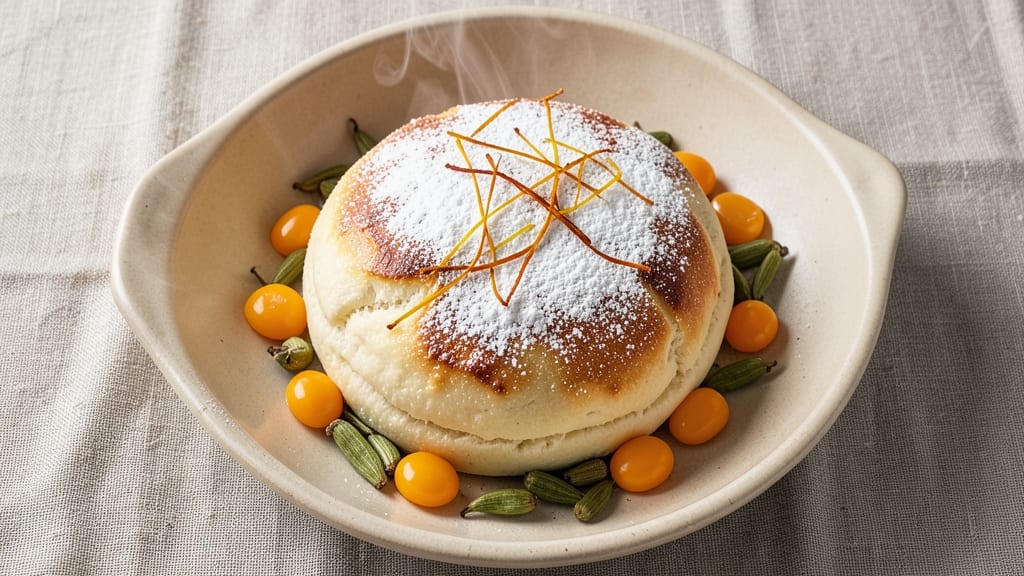
This Armenian sweet bread recipe brings Yerevan bakery traditions straight to your kitchen with its signature honey-infused layers. The secret lies in a delicate dough enriched with butter and sugar, rolled into thin sheets and carefully layered with melted honey before baking.
Every bite delivers that perfect balance of tender, flaky crust and sweet, caramelized honey pockets—just like the ones served at Armenian celebrations.
The dough requires patience but rewards with restaurant-quality results—no special equipment needed beyond a rolling pin and baking sheet. We'll use a simple yeast-based dough that develops rich flavor during the long fermentation, while the honey layer creates those signature crispy edges and gooey centers.
This recipe makes enough for a crowd, perfect for holiday gatherings or special occasions when you want to impress.
What sets this bread apart is the traditional technique of layering the dough with honey before baking, creating those signature caramelized pockets that Armenians call pakhlava.
The bread has a golden, slightly crisp exterior with a soft, pillowy interior, making it ideal for serving warm with tea or as a dessert on its own. The aroma alone will transport you to the streets of Yerevan.
Once baked, the bread can be served plain or lightly dusted with powdered sugar for an elegant touch. It keeps beautifully at room temperature for 2-3 days, making it perfect for meal prep or gifting.
The combination of buttery dough and honey creates a sweetness that's perfectly balanced—never cloying, always satisfying.
Ingredients for armenian sweet bread
Buttery dough meets golden honey layers—this crowd-pleaser brings Yerevan bakery magic home.
| Ingredient | Amount | Notes |
|---|---|---|
| All-Purpose Flour 🌾 | 5 cups | Sifted for light texture |
| Granulated Sugar 🍚 | ¾ cup | White sugar preferred |
| Unsalted Butter 🧈 | 1 cup | Cold, cubed for dough |
| Active Dry Yeast 🍞 | 2 ¼ tsp | Fresh yeast if available |
| Warm Milk 🥛 | 1 ¼ cups | 110°F, whole milk preferred |
| Large Eggs 🥚 | 1 whole | Room temperature |
| Salt 🧂 | 1 tsp | Diamond Crystal preferred |
| Honey 🍯 | 1 cup | Liquid honey, Armenian preferred |
| Vanilla Extract 🌸 | 1 tsp | Pure extract for flavor |
| Powdered Sugar 🍚 | ¼ cup | For dusting finished bread |
| Ground Cinnamon 🌿 | ½ tsp | Optional for warmth |
The flour is your foundation—King Arthur or Gold Medal work best for that tender crumb. Butter matters here—use European-style if you can find it, but regular unsalted works too. Keep it cold when mixing to prevent overdevelopment. For the honey, Armenian honey from specialty stores adds that authentic depth, but any liquid honey will do. The yeast? Fresh yeast from the refrigerated section is ideal, but active dry works fine—just proof it in warm milk first to check it's alive. If your milk isn't warm enough, pop it in the microwave for 30 seconds.
No vanilla extract? A splash of vanilla bean paste or even a scraped vanilla bean pod gives that same richness. Short on honey? Substitute maple syrup at the same amount, though the flavor will differ slightly. The cinnamon is optional but worth adding for that extra warmth Armenians love. For the powdered sugar, Confectioners' sugar is best—avoid the clumpy kind. If you're making this ahead, prep the dough the night before and let it ferment slowly in the fridge for even more flavor development.
This bread keeps beautifully—3 days at room temperature wrapped in a clean kitchen towel, or 1 week refrigerated in an airtight container. For longer storage, freeze the baked loaves 2 months wrapped tightly in plastic. Reheat in a 350°F oven for 10 minutes to restore that bakery-fresh aroma. The honey pockets will be gooey and perfect—trust the process and don't skip the layering step. It's what makes this bread truly special.
Why You'll Love This Recipe
- No Yeast Drama: I’ll admit, I used to dread yeast—too much waiting, too many failures. But this dough rises in one spot-on hour, thanks to that warm milk feeding the yeast just right. No second-guessing, no overproofed disasters.
- Buttery Sweet Magic: That rich butter folded into the dough? It’s what turns this from good to oh-my-god good. The sugar caramelizes just enough to give it a subtle, golden depth—like a hug for your taste buds, but better.
- Breakfast or Snack Hero: I keep freshly baked loaves on my counter for days. Toast it for breakfast, drizzle with honey for a quick snack, or even crumble it over yogurt. (Yes, even on a Tuesday night.)
- Pantry-Friendly Staples: Five ingredients, all things I already have. No specialty trips, no weird substitutions—just flour, sugar, butter, and a pinch of yeast. My wallet (and my morning routine) thank me every time.
Step-by-step instructions for Armenian sweet bread
Here's how to create those iconic honey-kissed layers that define Armenian bakery bread.
Activate the Yeast and Create the Dough Base
In a large bowl, whisk together the 1.25 cups warm milk, 2.25 teaspoons active dry yeast, and 0.75 cup granulated sugar. Let this sit for 5-7 minutes until it becomes frothy—this confirms your yeast is alive and ready to work. If it doesn't bubble, your bread won't rise properly.
In a separate bowl, combine the 5 cups all-purpose flour and 1 teaspoon salt. Make a well in the center and pour in the yeast mixture, 1 cup cold cubed unsalted butter, and 1 whole large egg. Mix with a wooden spoon until a shaggy dough forms. This initial combination is crucial—cold butter creates flaky layers later.
Knead Until Silky Smooth
Turn the dough onto a lightly floured surface and knead for 8-10 minutes until it becomes smooth and elastic. You'll know it's ready when it springs back slowly when poked. This step develops gluten, which gives the bread its signature structure. If the dough feels sticky, add flour 1 tablespoon at a time—but don't overdo it.
Shape the dough into a ball, place it back in the bowl, and cover with a damp towel. Let it rise in a warm place for 1-2 hours or until doubled in size. The kitchen should feel warm and slightly yeasty—this is normal and indicates active fermentation. Poke the dough gently; if it springs back slowly, it's ready for the next step.
Incorporate Honey and Shape the Layers
Punch down the risen dough to release air, then transfer it to a lightly floured surface. Roll it into a 12x16-inch rectangle about 1/8-inch thick. Spread 1/3 cup of the honey evenly over the surface, leaving a 1-inch border around the edges. Fold the dough into thirds like a letter, then roll it again into a rectangle.
Repeat this process twice more, spreading honey and folding each time. This creates the signature layered effect. After the final fold, shape the dough into a log and let it rest for 15 minutes before the final rise. This resting period relaxes the gluten, making it easier to shape beautifully.
Final Rise and Bake to Golden Perfection
Shape the dough into a loaf pan or baking sheet (for a traditional Armenian presentation). Cover and let it rise for another 1-2 hours until it's puffy and nearly doubled. Preheat your oven to 350°F while the dough rises. Brush the top with the remaining 2/3 cup honey and sprinkle with 0.25 cup powdered sugar and 0.5 teaspoon ground cinnamon for that authentic bakery finish.
Bake for 30-35 minutes until the top is golden brown and the internal temperature reaches 190°F. The bread should smell sweet and warm—this is the moment you've been waiting for. Let it cool in the pan for 10 minutes before slicing to prevent crumbling. The layers should be visible, and each bite should be tender with a perfect honey-sweet balance.
Pro Tips For Making Armenian Sweet Bread
- Test the Yeast Twice: Skip the "it’ll be fine" step—mix your yeast with ¼ cup warm milk and 1 tsp sugar first, then wait 5-10 minutes. If it doesn’t foam, toss it and start fresh. I’ve wasted dough because of this, and you don’t want that bitter, flat disappointment.
- Soften Butter Properly: Unsalted butter straight from the fridge won’t cream right—let it sit at room temp until it’s pliable but not melted (about 30 minutes). If it’s too soft, chill the bowl for 10 minutes. Overworked butter turns into buttercream, not flaky layers.
- Don’t Over-Knead: This dough is delicate—knead just until it pulls away from the bowl (about 5-7 minutes). I used to think more kneading = better rise, but it makes the bread dense. Light hands here mean a lighter, airier crumb.
- Shape Loaves Tight: Pack the dough into pans firmly—no gaps. Press the edges with your fingers to seal. I learned this after my first batch spread like a pancake. A tight shape = even rise and that classic domed top you want.
Serving suggestions for leftovers
Classic Tea Pairings
This honey-infused bread pairs beautifully with traditional Armenian teas like chai or black tea with mint. The warmth of the tea complements the bread's caramelized honey layers, creating a comforting balance.
For an authentic experience, serve with Yerevan-style tea from specialty stores—its robust flavor stands up to the sweetness. 🍵
Creamy Cheese Spreads
Serve warm slices with fresh Armenian cheese like tan or spoonable cheese for dipping. The tangy, creamy texture contrasts perfectly with the bread's sweetness. I like to add a sprinkle of toasted walnuts for extra crunch and depth. Store-bought Labneh works too if you're short on time.
Fruit Complements
Fresh figs or persimmons add a natural sweetness that enhances the honey flavor. Sliced peaches or apricots also work wonderfully, especially when lightly drizzled with Armenian honey.
For a festive touch, arrange these fruits on a platter alongside the bread. The juices from the fruit will soak into the bread, creating a delightful contrast.
Warm Spiced Compotes
Create a quick cinnamon-apple compote by simmering 1 cup diced apples with 1 tsp cinnamon, 1 tbsp honey, and a pinch of cardamom for 10 minutes.
The warm spices elevate the bread's natural sweetness. This compote can be served warm or at room temperature, making it a versatile accompaniment.
Iced Coffee Twist
For a modern twist, serve the bread with Armenian iced coffee—a local favorite made with strong drip coffee, cold milk, and a touch of vanilla.
The cool contrast of the iced coffee balances the warm, sweet bread beautifully. This pairing is perfect for summer gatherings or afternoon tea sessions.
Garnish Like a Pro
Before serving, dust the bread with powdered sugar and a pinch of ground cinnamon for an elegant finish. For extra flair, add a few toasted pistachios or crushed walnuts on top.
These garnishes not only enhance the presentation but also add a delightful crunch that complements the soft, pillowy texture of the bread. 🌟
Nutrition facts
Frequently asked questions
What makes this Armenian sweet bread different from regular brioche?
This recipe uses a layered honey technique inspired by traditional Armenian pakhlava, creating signature caramelized pockets that brioche doesn't have. The dough also incorporates vanilla and cinnamon for warmth, and the honey layers give it a unique sweetness that develops during baking. It's lighter than brioche but with a crisp exterior.
Can I substitute honey with another sweetener?
Yes, but the flavor will change. For a 1:1 substitution, use maple syrup or agave nectar—though Armenian honey's floral notes are irreplaceable. If you prefer fruit, try apricot jam (thinned with water) for a similar sweetness. Avoid corn syrup, as it lacks the depth of honey's caramelization during baking.
Why does my dough feel too sticky after kneading?
Sticky dough usually means either too much flour wasn't added or the milk wasn't warm enough to activate the yeast properly. Try adding flour 1 tablespoon at a time while kneading, but don't overdo it—this can make the bread dense. If the dough still feels too wet, let it rest 10 minutes uncovered before shaping.
How do I know when the bread is fully baked?
Look for a golden brown crust and use an instant-read thermometer to check the internal temperature—it should reach 190°F. Tap the bottom: if it sounds hollow, it's done. If the top browns too quickly, tent with foil. Underbaking leaves the center doughy, while overbaking dries it out.
Can I make this bread without a stand mixer?
This recipe is designed for hand-kneading—just work the dough on a floured surface for 8-10 minutes until smooth and elastic. The key is patience: press and fold the dough repeatedly. For the honey layers, use a rolling pin to keep the dough even, and fold carefully to maintain the structure.