
Side Dishes
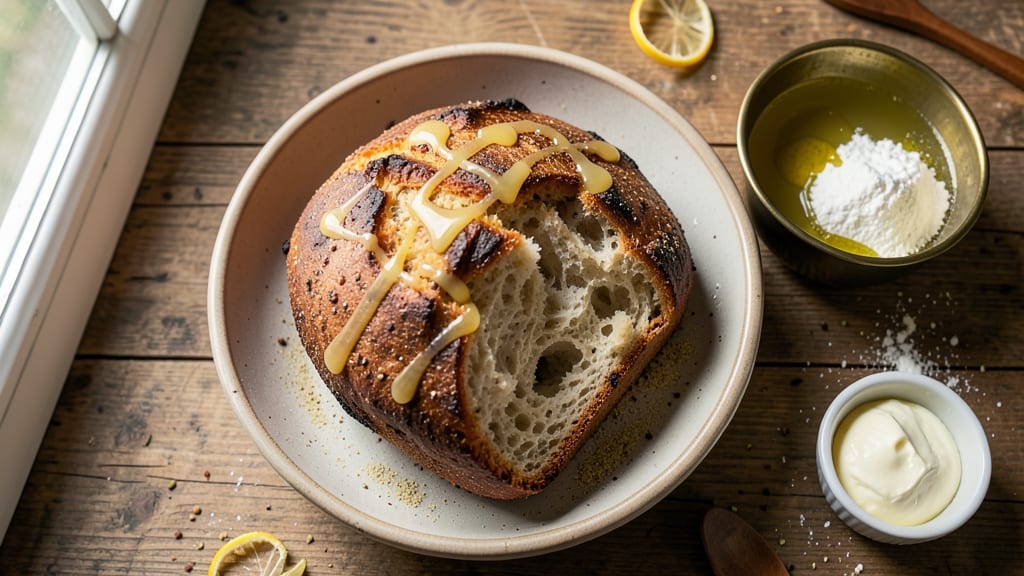
This atta flour bread machine recipe transforms whole wheat into a soft, pillowy loaf with minimal effort—no kneading required. The bread machine handles all the work while you focus on hydration and timing, resulting in a crumb that’s lighter than traditional whole wheat bread.
I’ve perfected this recipe after years of experimenting with atta flour’s unique properties, ensuring a crust that’s just crisp enough to toast without sacrificing tenderness inside.
The secret lies in the hydration balance—too much water makes the dough sticky, too little creates a dense loaf. This recipe uses a precise ratio that yields a fluffy, airy texture with a subtle nutty flavor.
The bread machine’s kneading cycle develops gluten naturally, while the baking phase produces a golden-brown crust that’s perfect for toast or sandwiches. No special ingredients are needed beyond atta flour, water, yeast, and a pinch of salt.
What sets this apart is how it redefines whole wheat bread—no dry, heavy texture here. The result is a loaf that’s versatile enough for breakfast toast, lunch sandwiches, or even as a side for dinner.
The bread stays fresh for days when stored properly, making it ideal for meal prep. Once you try this method, store-bought atta bread won’t compare.
For best results, use a bread machine with a crust setting and avoid opening the lid during baking. Optional additions like milk powder or honey can enhance flavor, but the base recipe delivers exceptional texture on its own. Let’s get started on creating your perfect loaf.
Ingredients for atta flour bread machine
Four cups of atta flour and a few simple pantry staples transform into a bread machine masterpiece.
| Ingredient | Amount | Notes |
|---|---|---|
| Atta Flour 🌾 | 3 cups | Whole wheat, finely milled |
| Active Dry Yeast 🍞 | 1 ½ tsp | Instant yeast preferred |
| Granulated Sugar 🍯 | 1 tbsp | Or honey for subtle sweetness |
| Unsalted Butter 🧈 | 2 tbsp | Softened, full-fat preferred |
| Warm Water 💧 | 1 ½ cups | 110°F for optimal yeast activation |
| Milk Powder 🥛 | 2 tbsp | Optional for enhanced flavor |
| Salt 🧂 | ½ tsp | Fine sea salt preferred |
| Olive Oil 🫒 | 1 tbsp | For dough softness |
| Honey 🍯 | 1 tbsp | Optional for sweetness |
| Poppy Seeds 🌻 | 1 tbsp | Optional for crunchy texture |
Atta flour is the star here—look for finely milled, whole wheat labeled for baking. Bob’s Red Mill or Kapoor Atta from Indian markets are my go-tos, but any quality brand works. The yeast needs to be fresh, so check the expiration date—if it smells like nothing, toss it. Warm water is key: 110°F activates yeast perfectly without killing it. Too hot? Let it cool slightly. For the butter, full-fat is non-negotiable—it adds that signature pillowy texture. I always grab the Kirkland brand from Costco when I’m baking multiple loaves.
No milk powder? Substitute with 1 tbsp powdered milk if you’ve got it, or skip it entirely—the base recipe still delivers. Honey or sugar? Both work, but honey adds subtle moisture. The olive oil can be swapped for melted coconut oil if you’re avoiding dairy. For the poppy seeds, sesame seeds work too—just adjust the amount to taste. Pro tip: If your dough feels too dry after mixing, add 1 tsp more water. Too sticky? Sprinkle in 1 tbsp extra flour. The bread machine does most of the work, but getting the hydration right makes all the difference.
This loaf stays fresh for 5-7 days wrapped in a clean kitchen towel, but it’s best enjoyed within 2 days for maximum softness. For longer storage, slice and freeze—3 months works perfectly. Toasting revives stale slices instantly. I like to portion the dough into two mini loaves for smaller batches, or double the recipe for a 9x5-inch loaf if you’ve got the machine space. The crust develops best with the crust setting—resist the urge to peek during baking, even if it smells amazing.
Why You'll Love This Recipe
- Bread Machine Magic: I swear, the hands-off kneading and rising mean I don’t have to lift a finger after dumping in the atta flour and yeast. Just set it, walk away, and come back to golden perfection—no roller pin required.
- Buttery Soft Crust: That warm water and butter combo? It transforms basic atta flour into something dangerously tender. The outside stays just crisp enough to hold up, while the inside melts like a hug in your mouth.
- Every Occasion Bread: Pack it for lunchboxes (kids won’t trade it for store-bought), serve it with curries for dinner, or toast it for breakfast—this bread does it all. Honestly, I’ve even used it as a base for garlic naan in a pinch.
- Budget-Friendly Staple: A single batch feeds my family for days, and the ingredients cost less than half of what I’d pay for pre-made naan. Plus, the leftovers freeze beautifully—just reheat and enjoy. My wallet and freezer thank me weekly.
Step-by-step instructions for atta flour bread machine recipe
Let's create a soft, pillowy atta flour bread with minimal effort using your bread machine.
Prepare the Ingredients for Optimal Texture
Start by measuring all the ingredients precisely. In a small bowl, mix together the 1.5 cups warm water (around 110°F), 1 tbsp honey, 2 tbsp milk powder, and 1 tbsp olive oil. Stir until the milk powder dissolves completely—this creates a smooth liquid base that enhances dough elasticity. The warm water activates the yeast instantly, so don't let it get too hot or you'll kill the yeast.
In a separate bowl, combine the 3 cups atta flour with the 1.5 tsp active dry yeast, 1 tbsp granulated sugar, 0.5 tsp salt, and 1 tbsp poppy seeds. Gently fold the poppy seeds into the flour mixture last—they're delicate and can get crushed. This dry mix ensures even distribution of all ingredients, which is crucial for consistent texture in atta flour breads that tend to be denser than white flour breads.
Combine Wet and Dry Ingredients in the Bread Machine Pan
Add the wet mixture to your bread machine pan first. Then, carefully sprinkle the dry ingredients over the liquid. This layering prevents the formation of dry pockets that can occur with atta flour. Use the paddle attachment that comes with your bread machine to gently mix everything together until just combined—you should see a shaggy dough form that clings to the sides of the pan.
Here's the thing—atta flour absorbs moisture differently than white flour. You might notice the dough looks slightly dry initially, but don't add extra water. The bread machine's kneading cycle will gradually incorporate all the moisture as it works. If your machine has a "dough" setting, select that—it provides the gentle kneading atta flour needs without overworking it.
Select the Right Bread Machine Settings
Choose the "whole wheat" or "basic" bread setting on your machine, as atta flour behaves similarly to whole wheat flour. The machine will automatically handle the kneading, rising, and baking cycles. For best results, use the medium crust setting—this prevents the bread from becoming too dark while still creating that beautiful golden-brown exterior we want.
Most bread machines take about 3 to 4 hours to complete the cycle with atta flour. The machine will alert you when the bread is done, but watch for the telltale signs: the bread should look fully risen with a springy texture when pressed gently, and it should have a golden-brown crust with some crispiness at the edges. The poppy seeds should be visible on top, adding both texture and visual appeal.
Remove and Cool the Bread Properly
Once the cycle completes, immediately remove the bread from the pan using a bread knife or offset spatula. Let it cool on a wire rack for at least 30 minutes before slicing. This cooling period is crucial—atta flour breads release steam as they cool, which helps develop that soft, pillowy interior texture we're aiming for.
I know it's tempting to slice into that warm bread right away, but cutting too soon can make the bread gummy in the center. The bread will continue to rise slightly as it cools, so don't be alarmed if it looks like it's growing. Once cooled, slice with a serrated knife for clean cuts that reveal the soft, airy crumb we worked so hard to achieve.
Pro Tips For Making Atta Flour Bread Machine
- Bloom Yeast First: Mix the yeast with warm water and sugar before adding to the bread machine—this ensures it’s fully activated and cuts down on kneading time. I learned this the hard way when my dough smelled like flat bread instead of rising properly.
- Use Room-Temp Butter: Softened butter (not melted) blends better into atta flour and prevents dense, greasy bread. Stick it in the microwave for 10-15 seconds if it’s too cold—just enough to make it pliable.
- Skip the Extra Water: Atta flour absorbs moisture differently than all-purpose—stick to the recipe’s water measurement unless your kitchen’s humidity is off the charts. Overdoing it leads to gummy, sad bread, and no one wants that.
- Let It Rest After Cycle: Pull the bread out of the machine and let it sit for 5-10 minutes under a towel before slicing. This helps the gluten relax, so your knife doesn’t turn into a saw—trust me, it’s worth the wait.
Flavor customization for this dish
Sweet Variations
Add 1 tbsp honey or 2 tbsp maple syrup to the wet ingredients for subtle sweetness—perfect for breakfast toast. I like to sprinkle crushed walnuts on top before baking for extra crunch. For a festive touch, mix in 1 tsp cinnamon and ½ tsp cardamom with the dry ingredients. 🍯
Savory Enhancements
Boost flavor with 1 tsp garlic powder or ½ tsp onion powder> in the dry mix. For a herby twist, add 1 tbsp fresh rosemary or 1 tsp dried oregano> to the dough.
A pinch of smoked paprika gives it a subtle BBQ-like depth that pairs well with soups. The bread machine's gentle kneading preserves these flavors beautifully.
Nutty Add-Ins
Fold in ¼ cup chopped pecans or walnuts with the poppy seeds for texture contrast. For a Middle Eastern touch, use 1 tbsp sesame seeds instead of poppy seeds and add ½ tsp cumin.
These additions work best when lightly toasted first—toss nuts in a dry pan over medium heat for 3-4 minutes until fragrant. 🌰
Dairy-Free Options
Replace milk powder with 2 tbsp nutritional yeast for a cheesy flavor without dairy. Use coconut oil instead of butter and almond milk powder for a nutty profile. For extra moisture, add 1 tbsp ground flaxseed mixed with 2 tbsp water> to replace the egg binder (if using).
These swaps keep the bread soft while accommodating dietary needs.
Spiced Twist
Infuse the dough with ½ tsp ground ginger and ¼ tsp cloves for a warm, aromatic loaf. A sprinkle of everything bagel seasoning on top before baking adds a savory crunch.
For a Mexican-inspired version, mix ½ tsp cumin and ¼ tsp chili powder> into the dry ingredients. The spices distribute evenly during the bread machine's kneading cycle. 🌶️
Nutrition facts
Frequently asked questions
Can I use regular whole wheat flour instead of atta flour?
While both are whole grains, atta flour has a finer texture and slightly different protein structure. Using regular whole wheat flour will still work, but your bread may be denser and less tender. For best results, stick with atta flour—it creates that signature pillowy texture this recipe promises.
Why does my atta flour dough look dry after mixing?
Atta flour absorbs moisture differently than white flour, so it might appear dry initially. The bread machine's kneading cycle will gradually incorporate all the moisture as it works. If your dough feels too dry after mixing, add just 1 teaspoon more water—never more than that, as overhydration can make the bread gummy.
Can I make this recipe without a bread machine?
Yes, but with adjustments! Mix the dough by hand until it comes together, then let it rise for 1-2 hours before shaping and baking in a 350°F oven for 30-35 minutes. Use a loaf pan for structure. The bread machine's kneading cycle is ideal for atta flour, but this method still yields delicious results.
How do I store atta flour bread to keep it fresh?
Wrap the cooled loaf tightly in a clean kitchen towel or plastic wrap, then place it in an airtight container. It stays fresh for 5-7 days at room temperature. For longer storage, slice and freeze—it reheats beautifully in a toaster or oven for 2-3 minutes at 350°F.
What if my bread machine doesn't have a whole wheat setting?
Use the "basic" or "white bread" setting instead—atta flour behaves similarly to whole wheat flour. For best texture, select the medium crust option. If your machine has a "dough" setting, choose that first for gentle kneading, then transfer the dough to a loaf pan for baking on your own.