
Side Dishes
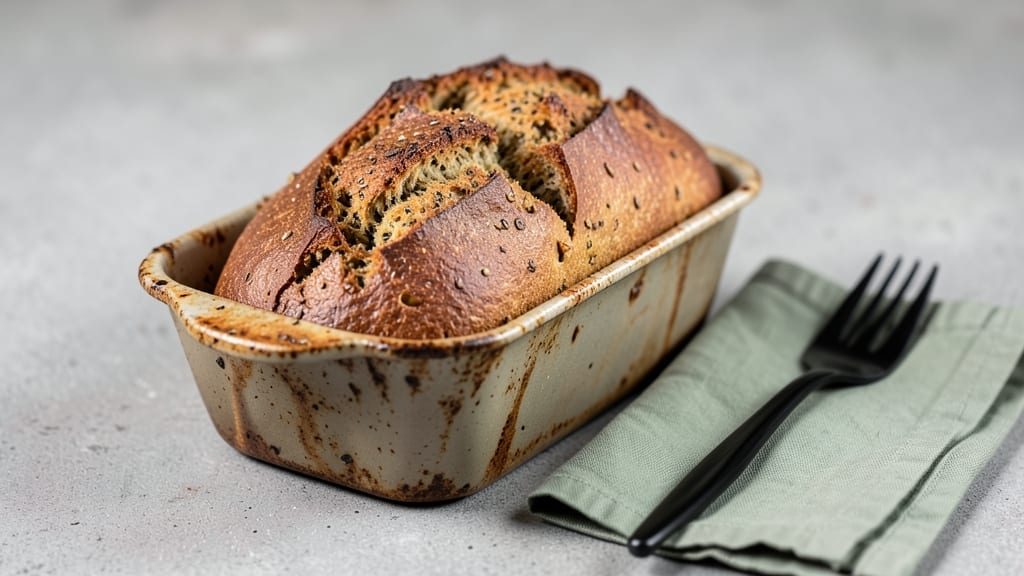
Betty Crocker's rye bread recipe delivers that classic combination of a golden crust and hearty crumb we all crave, with a touch of sweetness and deep rye flavor. This recipe captures the essence of traditional rye bread while making it accessible for home bakers—no special equipment or advanced skills required.
The secret lies in balancing rye flour with all-purpose flour for structure, while molasses and caraway seeds add that signature depth.
What makes this recipe stand out is its foolproof technique that ensures a perfect loaf every time. You'll mix, knead, proof, and bake using straightforward steps, with key tips to avoid common pitfalls like dense crumb or flat loaves.
The result is a bread with a crispy exterior, tender interior, and just the right amount of caramelized sweetness that pairs beautifully with soups, sandwiches, or simply on its own.
This version includes optional variations like adding seeds for extra texture or adjusting the molasses for sweetness levels. Whether you're baking for a family gathering or treating yourself to homemade bread, the process is simple enough for beginners but delivers restaurant-quality results that will impress even experienced bakers.
Let's get started on creating your perfect loaf.
One of the best aspects of this recipe is its versatility—use it for classic rye sandwiches, toast it for breakfast, or even make rye bread pudding. The flavor profile is rich enough to stand alone but flexible enough to complement other dishes.
With just a few pantry staples and about 2 hours of active time (plus rising), you'll have a loaf that tastes like it came from a bakery.
Ingredients for betty crocker rye bread
Pantry staples meet rye tradition—just twelve ingredients transform into golden crust perfection.
| Ingredient | Amount | Notes |
|---|---|---|
| All-Purpose Flour 🌾 | 3 cups | Sifted for light texture |
| Dark Rye Flour 🌾 | 1 ½ cups | For signature rye flavor |
| Active Dry Yeast 🍞 | ¼ oz | 1 packet or 2 1/4 tsp |
| Unsalted Butter 🧈 | ½ cup | Cold, cubed for dough |
| Granulated Sugar 🍚 | ¼ cup | For fermentation |
| Molasses 🍯 | ½ cup | Unsulphured preferred |
| Large Eggs 🥚 | 1 whole | Room temperature |
| Whole Milk 🥛 | ½ cup | Warmed for activation |
| Caraway Seeds 🌿 | 1 tbsp | Toasted for aroma |
| Diamond Crystal Kosher Salt 🧂 | 1 ½ tsp | Adjust to taste |
| Cornmeal 🌽 | ¼ cup | For dusting loaf pan |
| Sesame Seeds 🌱 | 1 tbsp | Optional for topping |
The rye flour is non-negotiable for that deep, robust flavor. Bob's Red Mill dark rye flour has the best balance of intensity and texture, but any quality dark rye will work. For the yeast, Fresh & Easy brand (found at Walmart) is my go-to—it's reliable and affordable. The molasses should be unsulphured; sulphured molasses adds a bitter edge that clashes with the bread's sweetness. Caraway seeds? Toast them in a dry pan for 30 seconds first—they'll release their aroma and make the whole loaf sing. If you can't find caraway seeds, fennel seeds at half the amount work in a pinch, though they're not traditional.
No dark rye flour? Substitute half with whole wheat flour, but expect a denser crumb. Short on molasses? Maple syrup at half the amount adds sweetness, though it lacks the depth. The butter needs to stay cold—if it melts during mixing, the dough will be sticky and hard to handle. For the milk, warmed to 110°F activates the yeast faster. Prefer a sweeter loaf? Add 1 tbsp honey to the dough. The sesame seeds are optional but give that bakery-style crunch—poppy seeds.
This dough needs 1.5 hours of proofing time—don't rush it! Store the dough in the fridge overnight for even more flavor development. The baked loaf keeps well wrapped at room temperature for 3 days or frozen for 3 months. For reheating, wrap slices in foil and warm in a 350°F oven for 5 minutes. The crust gets crunchier as it cools, so slice when still slightly warm for the best texture. Leftovers? Toss them into bread pudding—game-changer.
Why You'll Love This Recipe
- No Yeast Fuss: I swear by this recipe because it skips the messy yeast mess. Just toss in that packet of active dry yeast with warm water and sugar—no proofing drama, no waiting around. The dark rye flour does all the heavy lifting for that deep, earthy flavor without requiring advanced baking skills.
- Buttery Rye Magic: That unsalted butter in the dough? It’s the secret weapon. The dark rye flour gives it a robust, slightly tangy bite, but the butter softens it just enough to make every slice ridiculously good—crusty outside, tender inside. Honestly, I’ve never met a rye bread that balances those two textures better.
- Weeknight Workhorse: This bread is my go-to for sandwiches, toast, or even French toast. The dark rye flour adds a nutty depth that pairs perfectly with smoked salmon, sharp cheddar, or even just peanut butter and jelly. And because it’s so sturdy, it won’t fall apart when you’re in a rush.
- Budget-Friendly Staple: Between us, rye bread can be pricey at the store. This recipe uses pantry basics—all-purpose flour, dark rye flour, and a little butter—and stretches into a whole loaf. I’ve made three batches from one bag of flour, and the leftovers? They last a week in the freezer, wrapped tight. No waste, all flavor.
Step-by-step instructions for betty Crocker's rye bread recipe
Transform simple ingredients into a loaf with a golden crust and hearty rye crumb—this is how it's done.
Activate the Yeast and Prepare the Dough Base
In a small bowl, combine the 0.5 cup whole milk (warmed to 110°F) with the 0.25 oz active dry yeast and 0.25 cup granulated sugar. Let this sit for 5-10 minutes until frothy—this confirms your yeast is alive and ready to work its magic. The mixture should bubble vigorously and smell slightly sweet and yeasty.
In a large mixing bowl, whisk together the 3 cups all-purpose flour, 1.5 cups dark rye flour, 1 tbsp caraway seeds, and 1.5 tsp diamond crystal kosher salt. This dry blend forms the foundation of your bread's signature flavor and texture. I like to use a whisk here to ensure the caraway seeds are evenly distributed throughout the flour.
Incorporate Wet Ingredients and Develop the Dough
Add the yeast-milk mixture to the dry ingredients, followed by the 1 whole large egg and 0.5 cup molasses. Mix with a wooden spoon or dough whisk until a shaggy dough forms. The molasses adds depth of flavor, but don't worry if the dough looks too sticky at this stage—it will come together.
Cut the 0.5 cup unsalted butter into small cubes and add them to the dough. Using your hands or a dough hook attachment on a stand mixer, knead the dough for 5-7 minutes on medium speed until smooth and elastic. The dough should pull away from the sides of the bowl and feel slightly tacky but not wet. If it's too sticky, add 1 tablespoon of flour at a time until it reaches the perfect consistency.
First Rise and Shaping for Optimal Texture
Lightly grease a large bowl with oil and place the dough inside. Cover with a damp kitchen towel and let it rise in a warm place for 1-1.5 hours, or until doubled in size. You'll know it's ready when the dough springs back slowly when poked with a finger—this indicates proper fermentation. The warm environment helps the yeast work efficiently, creating those air pockets we want for a light yet dense crumb.
Once risen, turn the dough out onto a lightly floured surface and gently shape it into a loaf. For a classic look, fold the dough over itself like a letter, sealing the edges. Place the shaped loaf seam-side down in a 9x5-inch loaf pan that's been lightly dusted with 0.25 cup cornmeal. This prevents sticking and adds a subtle crunch to the crust. Cover again with the damp towel and let it rise for another 30-45 minutes until it's just above the pan's rim.
Bake to Golden Perfection with a Crispy Crust
Preheat your oven to 375°F. Brush the top of the dough with a little water and sprinkle the 1 tbsp sesame seeds evenly over the surface for a beautiful finish. Bake for 35-40 minutes until the bread is deep golden brown and sounds hollow when tapped on the bottom. The internal temperature should reach 190-200°F—this ensures a fully baked loaf without drying it out.
For that signature golden crust, I like to increase the heat to 425°F for the last 5 minutes of baking. This creates a beautiful caramelization on the surface while keeping the interior moist. Remove from the oven and let the bread cool in the pan for 10 minutes before transferring to a wire rack. This resting period allows the steam to escape, preventing a gummy texture.
Pro Tips For Making Betty Crocker Rye Bread
- Bloom the Yeast First: DESCRIPTION: Skip mixing yeast dry into the flour—it’s a waste. Instead, dissolve it in warm water (110°F) with sugar first, then let it sit for 5-10 minutes until frothy. This guarantees active yeast and saves you from dense, flat bread later. (Yes, even if you’re impatient like me.)
- Soften the Butter Properly: DESCRIPTION: The recipe might say "softened," but don’t microwave it—it turns greasy. Use the "squeeze test": press a thumb into the butter; if it leaves a slight indentation, it’s ready. Cold butter won’t mix well, and melted butter will make your dough greasy and gummy.
- Don’t Overmix the Dough: DESCRIPTION: Once you add the wet ingredients, stop mixing after 2-3 minutes. Overworking the dough develops too much gluten, and with dark rye flour, that means a tough, chewy loaf instead of the tender crumb you’re after. Use a dough scraper to fold in the rye flour gently.
- Preheat the Pan Longer: DESCRIPTION: Rye bread needs a hot start to rise properly. Preheat your loaf pan in the oven for 10 minutes before adding the dough—this jumpstarts the baking process and ensures an even rise. I learned this the hard way when my first batch came out flat and dense.
Essential equipment for perfect results
Mixing Essentials
Start with a stand mixer with dough hook attachment—this makes kneading effortless and consistent. I use my KitchenAid Artisan Series for its powerful motor and reliable performance.
If you don’t have one, a wooden spoon and strong arms work too, but expect to put in some elbow grease for those 5-7 minutes of kneading. For the yeast activation, a small glass bowl (like those from Pyrex) lets you monitor the frothy action clearly. 🍞
Measuring Tools
Precision matters in baking, so invest in a digital kitchen scale for accurate measurements—especially for the 1.5 cups dark rye flour and 0.5 cup molasses. My OXO Good Grips scale is durable and easy to read.
For dry ingredients, a medium-sized sifter ensures even distribution of the caraway seeds and salt. A liquid measuring cup with clear markings helps when warming the milk to 110°F.
Baking Tools
A 9x5-inch loaf pan is non-negotiable for that classic shape. I love Wilton’s non-stick pans—they release the bread easily and last for years. For dusting, keep cornmeal in a small shake-and-bake container (like Rubbermaid’s) for quick access.
A damp kitchen towel is perfect for covering the dough during rises—it keeps the surface moist without making the dough soggy. 🥖
Optional Upgrades
For a pull-apart rye loaf, use a pull-apart pan (like Wilton’s) instead of a loaf pan. A dough scraper (I use OXO’s) helps with shaping and cleaning sticky dough from surfaces.
If you love seeds, a small bowl for mixing sesame or poppy seeds with a bit of water before sprinkling ensures even coverage. For extra flavor, toast your caraway seeds in a small dry skillet—this step takes 30 seconds but makes a noticeable difference.
Temperature Control
An oven thermometer is a game-changer—my oven runs 25°F hotter than the set temperature! Place it on the middle rack while preheating to 375°F and adjust as needed. For the final 5 minutes at 425°F, use your oven’s broil function if it’s more precise.
A wire cooling rack prevents soggy bottoms and helps the bread crisp up properly after baking. 🌡️
Nutrition facts
Frequently asked questions
Why does this rye bread recipe use both all-purpose and dark rye flour?
The combination creates the perfect balance—all-purpose flour gives structure while dark rye flour delivers that signature deep flavor and slightly dense crumb. Using only rye flour would make the bread too heavy, while too much all-purpose would dilute the authentic taste. This ratio ensures both texture and flavor shine.
Can I make this bread without molasses?
Yes, but you'll lose some of the bread's signature sweetness and depth. Substitute with 1/3 cup maple syrup or 1/4 cup honey for a similar effect. If you prefer a savory rye, you can omit it entirely, though the flavor will be more subtle. The molasses also helps with browning during baking.
What if my dough doesn't rise properly?
Check three things first: yeast freshness (test in warm milk first), room temperature (dough needs warmth to activate), and proofing time (don't rush—it should take 1-1.5 hours). If it still doesn't rise, your yeast may be dead or your environment too cold. Try placing the bowl near a warm oven with the light on for gentle heat.
How do I store leftover rye bread?
Wrap tightly in plastic wrap or foil and store at room temperature for 3-4 days for best freshness. For longer storage, freeze slices in a sealed bag for up to 3 months. To reheat, wrap slices in foil and warm at 350°F for 5 minutes—this restores the crust's crunch without drying the interior.
Can I add seeds or nuts to this recipe?
Try adding 1/4 cup sunflower seeds, 1/4 cup chopped walnuts, or 2 tbsp flaxseeds to the dough for extra texture. For a topping, mix seeds with a little water before sprinkling on top. Just be mindful of moisture—if the dough gets too sticky, reduce other liquids slightly. Toasting seeds first enhances their flavor!