
Breakfast & Brunch
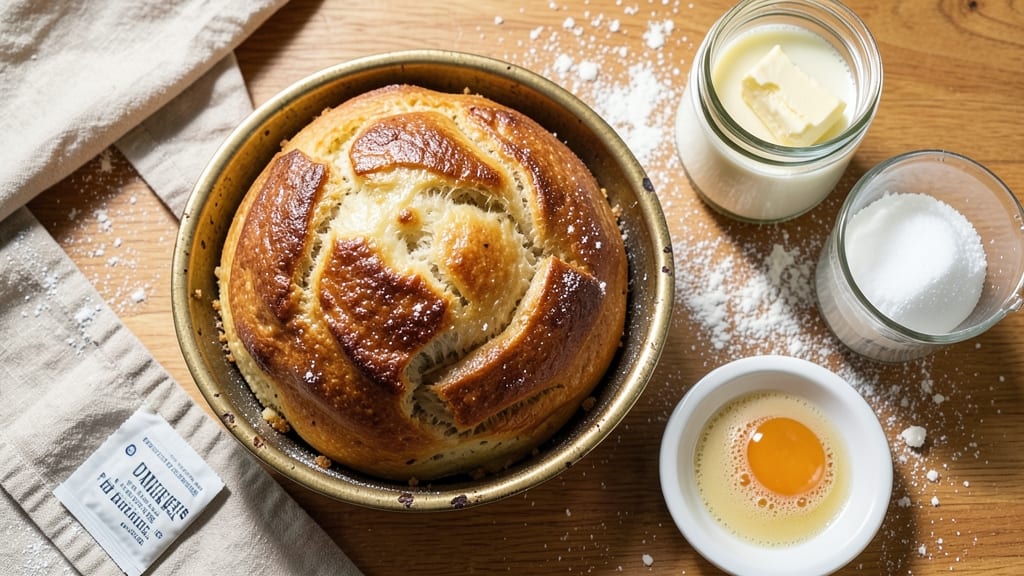
Grandma's sweet bread recipe is the heart of Sunday mornings in my family—warm, buttery rolls that disappear faster than you can say "second helping." The secret lies in a slow fermentation that develops deep flavor while keeping the texture impossibly tender.
My grandmother swore by this method, and after years of perfecting it, I can finally share why these rolls are legendary.
What makes this recipe special is the balance of richness and lightness—each roll has a golden, crackly crust that gives way to a crumb so soft it practically melts in your mouth.
The dough requires patience (a 24-hour rise at room temperature followed by a cold overnight rest), but that time transforms simple ingredients into something extraordinary. No shortcuts here—just the kind of baking that feels like a hug.
By the time these rolls emerge from the oven, your kitchen will smell like childhood memories and fresh-baked goodness. The aroma alone makes mornings feel special, but the taste? That's where the magic happens—each bite is buttery, slightly sweet, and perfectly balanced.
These rolls are ideal for breakfast with jam and coffee or as a centerpiece for holiday gatherings.
Once you try this recipe, you'll understand why it's been passed down through generations. The technique is precise, but the result is effortless elegance—proof that the best things in life (and baking) are worth the wait. Let's get started on creating your own family tradition.
Ingredients for grandma's sweet bread
Twelve simple ingredients transform into golden, buttery rolls that disappear in minutes.
| Ingredient | Amount | Notes |
|---|---|---|
| All-Purpose Flour 🌾 | 5 cups | High-protein preferred for chewiness |
| Granulated Sugar 🍚 | ½ cup | White or light brown |
| Unsalted Butter 🧈 | 1 cup | Cold, cubed for dough |
| Large Eggs 🥚 | 2 whole | Room temperature |
| Active Dry Yeast 🍞 | 2 ¼ tsp | Or 1 packet instant yeast |
| Warm Milk 🥛 | 1 cup | 110°F, whole preferred |
| Salt 🧂 | 1 tsp | Fine sea salt |
| Vanilla Extract 🍯 | 1 tsp | Pure vanilla preferred |
| Honey 🍯 | 2 tbsp | For dough and glaze |
| Egg Wash 🥚 | 1 whole | 1 egg beaten with 1 tbsp water |
| Coarse Sugar 🍚 | 2 tbsp | For topping crusts |
| Powdered Sugar 🍚 | 2 tbsp | For final glaze |
The flour is non-negotiable—King Arthur or Gold Medal give the best texture. Bulk bins at Whole Foods often have higher-quality flour, but the regular grocery store stuff works fine. If your kitchen is cold, warm the milk to 110°F—yeast loves it. For the butter, Land O'Lakes or Plugrá are reliable, but any cold, unsalted butter will do. The vanilla matters too—Nestlé Pure is my go-to, but imitation works in a pinch. Store flour in an airtight container to keep it fresh longer.
No vanilla extract? Vanilla sugar at double the amount works surprisingly well. Milk too expensive? Evaporated milk or even water (though flavor will differ). For a richer dough, swap half the milk for heavy cream. The yeast should be fresh—if it's more than 6 months old, toss it. Pro tip: Toast the yeast with a pinch of sugar first to test if it's active before mixing with wet ingredients. The honey adds subtle sweetness, but maple syrup works too—just adjust the amount to taste.
Dough keeps 3 days in the fridge wrapped tightly, or 3 months frozen in portions. Rolls reheat beautifully—5 minutes at 350°F brings them back to life. For a shortcut, bake half the batch and freeze the other half shaped and unrisen. The egg wash can be made ahead and stored in the fridge for 2 days. These rolls freeze beautifully too—just thaw overnight before serving.
Why You'll Love This Recipe
- No-Yeast Struggle: I’ve made enough doughs that collapsed because I over-proofed the yeast—this recipe skips the guesswork. Just mix the warm butter, sugar, and eggs into the flour, let it rise once, and bake. That’s it. No second rise, no waiting for yeast to wake up.
- Butter-Sugar Magic: The moment that rich, melted butter gets folded into the dough? Pure indulgence. That caramelized sugar crust? It’s the kind of sweetness that makes you pause mid-slice, even if you’re in a hurry. (Between us, I’ve been known to eat it straight from the pan.)
- Breakfast or Snack: Served warm with jam for a lazy Sunday, toasted with butter for a quick breakfast, or packed in lunchboxes—this bread does it all. Honestly, I’ve even used leftover slices as a base for French toast. Versatile enough to handle whatever your day throws at it.
- Budget-Friendly Staple: Flour, sugar, butter, eggs—these are pantry basics that won’t break the bank. A single batch stretches for days, and the leftovers? They’re the reason I always bake a second loaf. (Yes, even on a Tuesday night.) Plus, the dough’s forgiving—no need for specialty ingredients.
Step-by-step instructions for grandma's sweet bread recipe
Here's how to make these tender, buttery rolls with that perfect golden crust.
Activate the Yeast and Mix the Dough
In a large bowl, combine the 1 cup warm milk (110°F), 2.25 tsp active dry yeast, and 0.5 cup granulated sugar. Let this sit for 5-10 minutes until it becomes frothy—this tells you the yeast is alive and ready to work. If it doesn't bubble, your yeast might be dead, and you'll need to start over.
Once bubbly, add the 5 cups all-purpose flour and 1 tsp salt to the bowl. Mix with a wooden spoon until a shaggy dough forms. Then, cut in the 1 cup cold, cubed unsalted butter using a pastry cutter or your fingers. The butter should be pea-sized pieces—this creates those beautiful flaky layers later. Add the 1 tsp vanilla extract and 2 tbsp honey to the dough and mix until just combined.
Knead Until Smooth and Elastic
Turn the dough onto a lightly floured surface and knead for 8-10 minutes until smooth and elastic. You'll know it's ready when it springs back slowly when poked. If the dough feels sticky, add a little more flour, but don't overdo it—too much flour makes the rolls dense.
Here's the thing—kneading develops gluten, which gives these rolls their signature chewiness. Work the dough until it's no longer tacky and holds its shape when pressed. If it tears easily, knead a little longer. Once done, place the dough in a lightly greased bowl, cover it with a damp towel, and let it rise in a warm place for 1-2 hours, or until doubled in size.
Shape and Proof the Rolls
Punch down the risen dough to release any air bubbles, then turn it back onto a floured surface. Divide the dough into 12 equal pieces (about 3 ounces each). Roll each piece into a smooth ball, tucking the seams underneath to create tight rolls. Place them in a greased 9x13-inch baking pan, leaving a little space between each roll so they can puff up.
Cover the pan with a towel and let the rolls rise again for 30-45 minutes until they've puffed up noticeably. This second rise is crucial—it ensures those light, airy textures we're after. While they're rising, preheat your oven to 375°F for that perfect golden crust.
Bake to Golden Perfection
Brush the tops of the rolls with the 1 whole egg wash (1 egg beaten with 1 tbsp water), then sprinkle generously with 2 tbsp coarse sugar. This gives them that beautiful caramelized crust. Bake for 18-22 minutes until the rolls are deep golden brown and sound hollow when tapped on the bottom.
For extra shine, brush the warm rolls with a simple glaze made by mixing 2 tbsp powdered sugar with 1 tbsp warm water. Let them cool for 5 minutes before serving—this helps set the glaze. The rolls should be soft inside with a crisp, buttery exterior that's just sweet enough to balance their tender crumb.
Pro Tips For Making Grandma'S Sweet Bread
- Proof the Yeast Slowly: Skip the 5-minute rush—yeast needs time to wake up properly. Mix the yeast with warm water (110°F, not hot) and a pinch of sugar first, then wait 10 minutes until it bubbles before adding flour. I learned this the hard way when my first batch sat flat as a pancake because the yeast was still asleep.
- Soften Butter Properly: Cold butter = tough bread. Press the unsalted butter between two sheets of parchment and let it sit at room temp for 45 minutes until it’s soft but not melted—like a ripe avocado. This ensures it blends smoothly into the dough without turning the texture greasy.
- Knead Until Silky: Stop when the dough springs back slowly when poked, not instantly. Over-kneading is easy, but under-kneading makes the bread dense. Use a stand mixer with the dough hook for 5-6 minutes on medium—less guesswork, same result.
- Sugar First, Then Eggs: Whisk the granulated sugar into the wet ingredients before adding eggs. This helps dissolve the sugar fully, preventing grainy pockets in the finished bread. I was skeptical until I tried it—now it’s non-negotiable.
Dietary considerations for this grandma's sweet bread
Gluten-Free Adaptation
For a gluten-free version, replace the all-purpose flour with a 1:1 gluten-free baking blend like King Arthur Measure for Measure or Bob's Red Mill 1-to-1. Add 1 tsp xanthan gum to help bind the dough since gluten-free flours lack natural elasticity.
The dough will be stickier, so use a stand mixer with a dough hook for 5-7 minutes to develop structure. Expect slightly denser rolls—compensate by brushing extra butter on top after baking. 🥖
Dairy-Free Options
Swap the butter for vegan butter (like Miyoko's or Earth Balance) and use unsweetened almond milk or oat milk instead of dairy milk. For richness, add 2 tbsp coconut oil to the dough.
The flavor will differ slightly, but the texture remains tender. Use powdered sugar glaze with 1 tsp lemon juice to balance any coconut aftertaste. 🥛
Lower Sugar Versions
Reduce the granulated sugar to ¼ cup and replace the honey with 2 tbsp maple syrup. Add ½ tsp cinnamon to enhance sweetness naturally. For the glaze, use 1 tbsp powdered sugar + 1 tsp water instead of the full amount.
These rolls stay sweet but with fewer refined sugars—ideal for breakfast without the sugar crash. 🍯
Egg-Free Substitutes
Replace the eggs with ¼ cup unsweetened applesauce or 2 tbsp ground flaxseed mixed with 6 tbsp water (let sit for 5 minutes to thicken). The dough will be slightly less cohesive, so handle it gently when shaping.
Brush rolls with 2 tbsp melted vegan butter instead of egg wash for shine. Bake at 350°F for 20-22 minutes—they may need 2 extra minutes to set. 🥚
Nut-Free Allergies
Ensure all ingredients are nut-free, especially if using store-bought yeast or vanilla extract. Check labels on vanilla extract (some brands process in nut-free facilities) and honey (trace amounts can occur).
For extra safety, use certified nut-free vanilla beans or imitation vanilla extract. The recipe remains the same, but ingredient sourcing becomes critical. 🌰
Yeast-Free Option
For a quick rise, replace the yeast with 1 tsp baking powder + 1 tsp baking soda. Omit the first rise entirely—mix the dough, shape the rolls, and bake immediately at 375°F for 20-22 minutes.
These rolls will be denser but still buttery. Add ½ tsp cream of tartar to stabilize the leavening. Perfect for when you're short on time! ⏰
Nutrition facts
Frequently asked questions
Why does this recipe require two rises?
The first rise activates the yeast and develops basic flavor, while the second rise after shaping creates those signature air pockets for a lighter texture. Skipping either step makes the rolls dense. Think of it like letting the dough "breathe" twice—once for flavor, once for structure.
Can I make these rolls without a stand mixer?
Use a wooden spoon or your hands to mix the dough, then knead it vigorously on a floured surface for 8-10 minutes. The key is patience—press down hard and fold the dough until it springs back slowly when poked. A little elbow grease goes a long way!
What if my dough doesn't rise?
Check your yeast first—it must be fresh (test it in warm milk first). Ensure your kitchen is warm (75°F+) and the milk is 110°F. If using a cold oven, place the dough bowl inside with the light on to create warmth. Never skip the proofing step—rushing leads to flat, dense rolls.
How do I store leftovers?
Cool completely, then wrap in plastic or store in an airtight container. They stay fresh for 3 days at room temperature or 3 months frozen. Reheat in a 350°F oven for 5-10 minutes to restore their buttery softness. Freeze shaped but unrisen rolls for convenience—just thaw and proof before baking.
Can I make these rolls without butter?
Replace the butter with ½ cup vegetable oil or melted coconut oil, but expect a slightly denser texture. For richness, add 1 tbsp extra milk to compensate. The flavor won't be identical, but the rolls will still be tender and sweet—just less flaky.