
Side Dishes
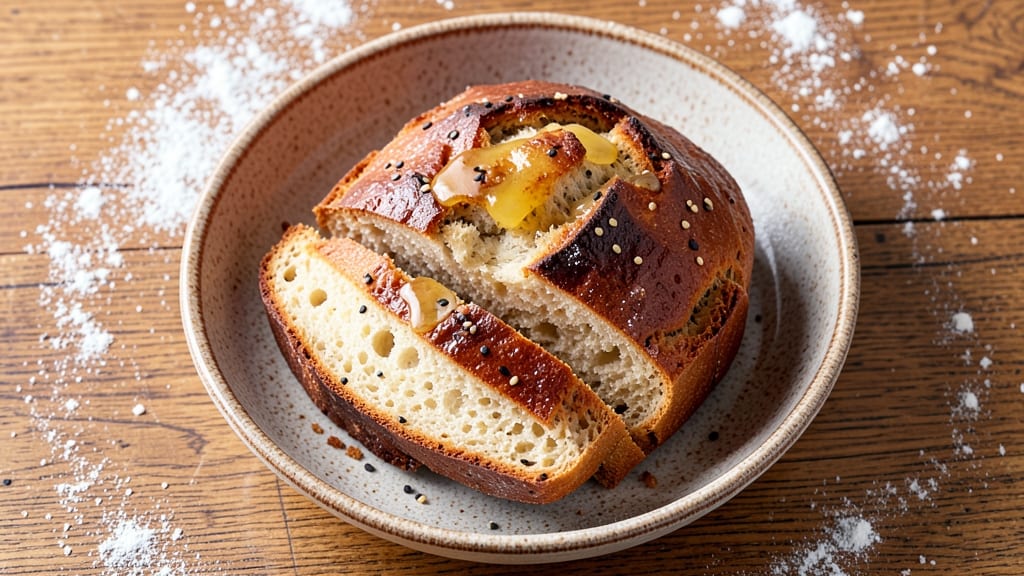
This Czech-style houska bread recipe delivers a golden, buttery loaf with that signature braided shape and tender crumb—perfect for serving alongside soups or roasted meats.
The traditional method involves a slightly sweet, enriched dough that develops a crisp crust while staying soft inside, a technique I've perfected over years of baking. What makes houska special is its versatility: you can enjoy it plain, topped with garlic butter, or even sweetened with jam for breakfast.
The dough requires patience—it needs time to rise properly for that light texture—but the process is straightforward once you understand the key steps.
We'll use a mix of flour, yeast, sugar, and eggs to create a dough that's both sturdy enough to hold its shape when braided and tender enough to melt in your mouth.
The braiding technique isn't difficult, but it does require gentle hands to avoid tearing the dough as you work.
By the time you pull this loaf from the oven, you'll have a warm, fragrant bread with a golden crust that's just crisp enough to snap. The interior remains soft and slightly sweet, with a texture that's almost cake-like.
This bread pairs beautifully with savory dishes like goulash or hearty stews, but it's also wonderful toasted with butter and jam for a comforting breakfast.
For those who want to experiment, you can add savory toppings like sesame seeds or poppy seeds before baking, or brush the crust with melted butter and sprinkle with coarse salt for extra flavor.
The possibilities are endless once you master the basic dough and braiding technique. Let's get started on creating this Czech classic!
Ingredients for houska bread
Four cups flour, one egg, and patience for the perfect Czech braided loaf.
| Ingredient | Amount | Notes |
|---|---|---|
| All-Purpose Flour 🌾 | 4 cups | Sifted for light texture |
| Active Dry Yeast 🍞 | 2 ¼ tsp | Or 1 packet instant yeast |
| Granulated Sugar 🍚 | ¼ cup | For yeast activation |
| Unsalted Butter 🧈 | ½ cup | Cold, cubed for dough |
| Large Eggs 🥚 | 1 whole | Room temperature |
| Whole Milk 🥛 | ½ cup | Warmed to 110°F |
| Salt 🧂 | 1 tsp | Fine sea salt |
| Poppy Seeds 🌻 | 2 tbsp | For traditional topping |
| Sesame Seeds 🌿 | 1 tbsp | Optional savory topping |
| Melted Butter 🧈 | 2 tbsp | For brushing crust |
| Coarse Sea Salt 🧂 | ½ tsp | For final sprinkle |
| Jam 🍓 | ¼ cup | Optional for sweet variation |
The flour is the foundation—King Arthur or Gold Medal work best for that tender crumb. Yeast matters too: Saf-Instant dissolves faster, but active dry yeast needs proofing in warm milk first. Butter should be cold when mixing (the good stuff, not tub margarine)—it creates those flaky layers. I always grab Land O'Lakes unsalted butter from the dairy case; it's consistent and reliable. The milk needs to be warm but not hot—110°F is perfect, or just warm enough to touch your wrist without feeling hot. If your kitchen's cold, microwave the milk for 20 seconds to warm it up.
No poppy seeds? Sesame seeds or everything bagel seasoning work just as well. Running short on butter? Vegetable shortening keeps the same structure, though it won't be as flavorful. The dough gets sticky—don't fight it. Wet hands or a lightly floured surface helps when shaping. For a sweet version, swap half the milk for heavy cream and add 1 tbsp honey to the dough. The jam topping? Raspberry or apricot preserves are classic, but strawberry works too. Just brush it on after baking while the bread's still warm for that gooey effect.
Dough keeps for 24 hours in the fridge if wrapped tightly in plastic—just let it come to room temp before shaping. For longer storage, freeze the shaped loaf (unbaked) for up to 3 months. Thaw overnight in the fridge before baking. The finished loaf stays fresh for 3-4 days at room temp if wrapped in a clean kitchen towel. To reheat, wrap in foil and warm at 300°F for 10 minutes. Leftovers? Toast them—they taste even better the second time around.
Why You'll Love This Recipe
- No-Knead Magic: I swear by this dough—just mix, let it rise, and bake. No stand mixer, no overworking, just a bowl and patience (the good kind). That butter and sugar combo makes it tender without a lick of effort.
- Buttery Sweet Crust: The moment it comes out of the oven, that golden crust crackles like a hug. The sugar caramelizes just enough to give it a subtle sweetness, while the butter keeps it rich—no fancy ingredients, just pure satisfaction.
- Weeknight Hero: Toss it with garlic butter for dinner, tear it over soup for lunch, or serve it warm with jam for breakfast. It’s my go-to when I need something that works for any meal without extra prep.
- Budget-Friendly Staple: A single batch feeds my family for days—sandwiches, toast, or even breadcrumbs for meatballs. And with just flour, yeast, sugar, butter, and eggs? It’s cheaper than takeout every time.
Step-by-step instructions for Czech-style braided houska bread
Here's how to create this iconic Czech loaf with a golden crust and tender interior.
Activate the Yeast and Mix the Dough
In a small bowl, combine the 0.5 cup warm whole milk (about 110°F) with the 0.25 cup granulated sugar and 2.25 tsp active dry yeast. Let this sit for 5-10 minutes until it becomes foamy and bubbly—this confirms your yeast is active. If it doesn't bubble, your bread won't rise properly.
In a large mixing bowl, whisk together the 4 cups all-purpose flour and 1 tsp salt. Make a well in the center and pour in the yeast mixture, 1 whole large egg, and 0.5 cup cold unsalted butter (cut into small cubes). Mix with a wooden spoon until a shaggy dough forms, then turn it out onto a lightly floured surface and knead for 8-10 minutes until smooth and elastic. The dough should feel slightly tacky but not sticky.
First Rise and Shape the Dough
Lightly grease a large bowl with a bit of melted butter, place the dough inside, and cover with a damp kitchen towel. Let it rise in a warm place for 1-1.5 hours or until it has doubled in size. You'll know it's ready when you poke it gently and it springs back slowly.
Once risen, punch down the dough to release air, then divide it into 3 equal pieces (about 8 ounces each). Roll each piece into a 12-inch rope, then braid them together loosely, leaving the ends long. This braided shape is what gives houska its signature look. Place the braid on a parchment-lined baking sheet, tucking the ends under the loaf.
Second Rise and Prepare for Baking
Cover the braided loaf with the damp towel again and let it rise for another 30-45 minutes until it puffs up noticeably. Preheat your oven to 375°F while the dough rises—this ensures even baking and a crispy crust.
Just before baking, brush the loaf generously with 2 tbsp melted butter, then sprinkle evenly with 2 tbsp poppy seeds and 1 tbsp sesame seeds. For a sweet variation, drizzle 0.25 cup jam over the top before baking. The seeds will toast beautifully, adding crunch and flavor.
Bake to Golden Perfection
Bake the houska for 25-30 minutes until it's deep golden brown and sounds hollow when tapped on the bottom. If the top browns too quickly, loosely cover it with aluminum foil for the last 5-10 minutes to prevent over-browning.
For extra crispiness, brush the warm loaf with another 1 tbsp melted butter and sprinkle with 0.5 tsp coarse sea salt while it's still hot. Let it cool on a wire rack for 10 minutes before slicing—this helps the bread set properly and prevents a gummy texture.
Pro Tips For Making Houska Bread
- Bloom That Yeast: Mix the yeast with warm water and sugar first—not the flour. Give it 5-10 minutes until frothy and bubbly before adding anything else. I learned this the hard way after once skipping it and ending up with dense, flat bread that tasted like cardboard.
- Butter at Room Temp: Take the unsalted butter out of the fridge 1-2 hours before mixing. Cold butter won’t incorporate smoothly, and you’ll end up with lumps that turn into weird pockets in your bread. Trust me, your dough will thank you.
- Don’t Over-Knead: Houska dough is delicate—knead just until it pulls away from the bowl (about 5-7 minutes by hand). Overworking it makes the bread tough and chewy. I used to go overboard, and the texture suffered every time.
- Steam the Pan: Before baking, add a handful of ice cubes or spray water into the hot pan. The steam helps the bread rise higher and gives it that signature crispy crust. Sounds weird, but it works—my bread now bakes up taller and shinier.
Essential equipment for great houska bread
Dough Tools
The right tools make all the difference when handling houska dough. Start with a large mixing bowl (I use a stainless steel Cambro 3-quart bowl—it’s durable and easy to clean) for combining ingredients.
A wooden spoon helps mix the shaggy dough initially, while a dough scraper (like the OXO Good Grips) prevents sticking when kneading. For shaping, keep a lightly floured surface or a silicone baking mat handy—the dough gets sticky, so a damp kitchen towel helps prevent tearing during braiding. 🍞
Yeast Activation Essentials
Yeast needs precision, so grab a small glass bowl (clear helps monitor foaming) and a digital kitchen thermometer (I recommend the Thermoworks Thermapen ONE) to check your milk’s temperature. A measuring spoon set ensures you use the exact 2.25 tsp yeast—no eyeballing!
For proofing, a warm oven (with a bowl of hot water inside) creates the perfect 80°F environment if your kitchen is chilly. 🌡️
Baking Gear
A 9x13-inch baking sheet lined with parchment paper is ideal for the braided loaf—it gives room for expansion. Preheat your oven with a cast-iron Dutch oven (like the Lodge 5.5-quart) nearby if you want to steam the bread for extra crispiness.
A wire cooling rack prevents soggy bottoms, and a pastry brush (I love the West Bend silicone brush) helps apply melted butter evenly. For seed toppings, a fine-mesh sieve ensures even distribution. ✨
Optional Upgrades
For a stand mixer (like the KitchenAid Artisan), the dough hook attachment saves time kneading—just mix on medium speed for 4-5 minutes until smooth. A proofing basket (like the banneton) adds professional texture, though it’s optional.
For sweet variations, a small saucepan helps warm the jam slightly before brushing. And if you’re ambitious, a digital scale (like the OXO Good Grips) ensures precise dough weights for consistent results. 💡
Nutrition facts
Frequently asked questions
Why does houska bread have a braided shape?
The traditional braided shape isn't just decorative—it creates a beautiful presentation while allowing the bread to expand evenly during baking. The three-strand braid also helps distribute heat more evenly, resulting in a consistent golden crust. This shape has been used for centuries in Czech and Slovak baking traditions.
Can I make houska bread without a stand mixer?
This recipe works perfectly by hand. Just knead the dough for 8-10 minutes on a lightly floured surface until smooth and elastic. The dough should feel slightly tacky but not sticky. A dough scraper helps prevent sticking when working with the dough.
What's the best way to store leftover houska?
Wrap the cooled loaf tightly in a clean kitchen towel or plastic wrap to keep it fresh for 3-4 days at room temperature. For longer storage, freeze the baked bread for up to 3 months. To reheat, wrap in foil and warm at 300°F for 10 minutes for that fresh-baked taste.
Can I make houska bread without poppy seeds?
While poppy seeds are traditional, you can use sesame seeds, everything bagel seasoning, or even coarse salt for a savory version. For a sweet twist, try brushing the baked loaf with melted butter and drizzling jam or honey while still warm. The topping is purely decorative and doesn't affect the bread's texture.
Why did my houska turn out dense instead of light?
Dense houska usually means the yeast didn't activate properly or the dough didn't rise enough. Check your milk temperature—it should be 110°F for yeast activation. Also ensure the dough doubled in size during both rises. If your kitchen is cold, try proofing in a warm oven with a bowl of hot water inside.