
Side Dishes
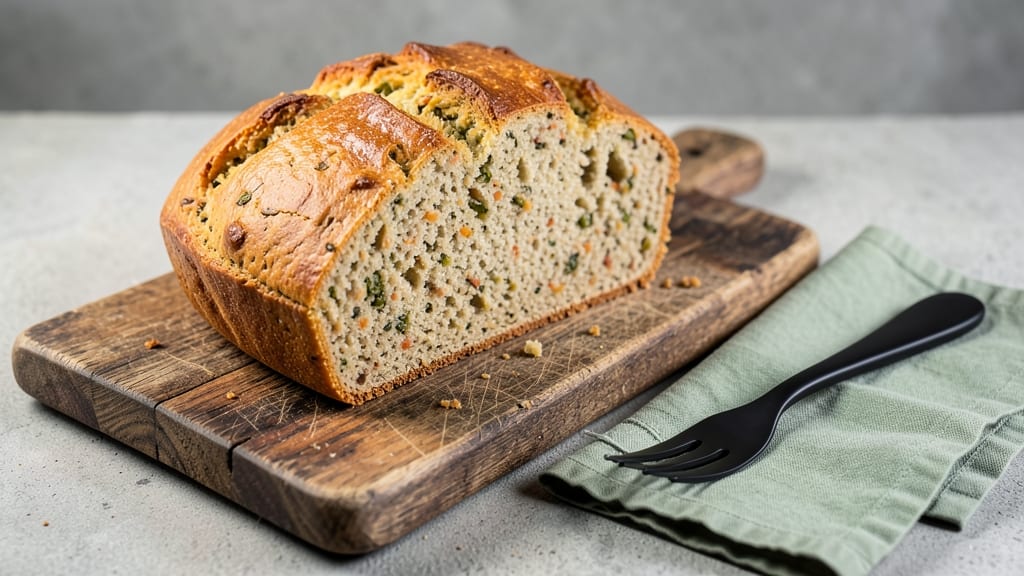
This vegetable bread recipe transforms ordinary loaves into a nutrient-packed masterpiece where hidden greens and root vegetables become the star. 💛 As a compulsive vegetable gardener, I've spent years perfecting ways to sneak in extra nutrients without sacrificing texture—this recipe does just that while delivering restaurant-quality results at home.
The secret lies in the dough preparation where finely grated vegetables blend seamlessly with flour, creating a loaf that's both hearty and tender. We'll use a combination of zucchini, carrots, and spinach for moisture and nutrients, while herbs like rosemary and thyme add depth without overpowering.
The kneading technique ensures even distribution of those vegetable bits throughout.
What you'll end up with is a beautifully risen loaf with golden-brown crust and a tender crumb that's packed with flavor from both the vegetables and herbs. The aroma alone will have everyone asking what makes this bread different—it's the perfect solution for vegetarian meals that need substance and nutrition.
This recipe works beautifully as a side for soups, stews, or as a hearty sandwich base. The dough can be made ahead and refrigerated overnight for even better flavor development. Let's get started on creating your new favorite loaf!
Ingredients for vegetable bread
Four cups flour plus hidden vegetables transform ordinary bread into a nutrient-rich masterpiece.
| Ingredient | Amount | Notes |
|---|---|---|
| All-Purpose Flour 🌾 | 4 cups | Unbleached preferred for texture |
| Medium-Grained White Rice Flour 🍚 | ½ cup | For gluten-free option if needed |
| Granulated Sugar 🍯 | ¼ cup | Light brown sugar for depth |
| Active Dry Yeast 🍄 | 2 tsps | Or 1 packet (0.25 oz) |
| Warm Water 💧 | 1 ¼ cups | 110°F ideal for activation |
| Unsalted Butter 🧈 | ½ cup | Cold, cubed for dough |
| Zucchini 🥒 | 1 ½ cups | Finely grated, excess squeezed dry |
| Carrots 🥕 | 1 ½ cups | Finely grated, organic preferred |
| Fresh Spinach 🌿 | 1 cup | Finely chopped, stems removed |
| Fresh Rosemary 🌿 | 2 tbsp | Finely chopped, stems removed |
| Fresh Thyme 🌿 | 1 tbsp | Finely chopped leaves only |
| Garlic Cloves 🧄 | 3 cloves | Minced for flavor depth |
| Diamond Crystal Kosher Salt 🧂 | 1 ½ tsps | Adjust to taste after kneading |
| Extra-Virgin Olive Oil 🫒 | ¼ cup | Plus extra for brushing |
| Honey 🍯 | 1 tbsp | For dough enrichment |
The vegetables are the heart of this loaf, so organic produce delivers superior flavor and texture. Whole Foods Market or your local farmers market offer the freshest zucchini and carrots—look for vibrant color and firm texture. Spinach should be deep green with no yellowing. For the herbs, Penzeys Spices carries excellent quality, but any fresh rosemary and thyme from the grocery store works. The key is to grate the vegetables finely—use a box grater for even distribution in the dough. If you're using pre-shredded carrots or zucchini from the bag, pat them completely dry to prevent a gummy loaf. The yeast should be freshly opened—old yeast won't activate properly.
No rice flour? Substitute with an extra 0.5 cup all-purpose flour for texture. Running short on spinach? Kale or Swiss chard work equally well—just chop more finely. For a sweeter loaf, increase the honey to 2 tablespoons. The butter can be swapped for vegetable shortening if avoiding dairy, though texture will differ slightly. If your kitchen is warm, use slightly cooler water (around 100°F) to prevent overproofing. The garlic can be omitted if you prefer milder flavor, but the herbs are non-negotiable—they're what elevates this from basic vegetable bread to something extraordinary.
This dough improves with time—knead for 8-10 minutes by hand or 5-6 minutes in a stand mixer for optimal gluten development. For best results, refrigerate overnight before baking to enhance flavor. The baked loaf keeps well at room temperature for 3 days wrapped in a clean kitchen towel, or 1 week in the fridge. For longer storage, slice and freeze portions—6 months in a sealed bag. The crust stays freshest when reheated briefly in a 350°F oven for 5-10 minutes.
Why You'll Love This Recipe
- No-Fuss Mix-In: Mixing in finely chopped veggies (like zucchini or carrots) takes two minutes—no fancy prep, just pulse and fold. The rice flour keeps it light, so you won’t taste the veggies unless you want to.
- Sweet & Slightly Crumbly: That touch of granulated sugar caramelizes just enough to give it a subtle sweetness, while the yeast keeps it airy. Honestly, it’s the kind of bread that disappears faster than I can say “second slice.”
- Lunchbox Hero: Between us, this is my go-to for kids’ lunches or office snacks—it holds up for days without getting soggy. The rice flour blend makes it sturdy enough to pack, yet still soft enough to eat cold.
- Pantry Staple Magic: Uses ingredients you already have (check your flour bin and sugar jar). I’ve made it with whatever veggies were wilting in my fridge—no waste, no extra shopping. Budget-friendly and zero guilt.
Step-by-step instructions for vegetable bread
Transform simple ingredients into a nutrient-rich loaf with vibrant flavor and texture.
👨🍳 Step 1: Prepare the Vegetable Purée Base
In a food processor, combine the 1.5 cups zucchini and 1.5 cups carrots. Pulse until finely grated, then transfer to a clean kitchen towel. Gather the edges and squeeze out all excess moisture—this prevents a gummy dough later. The purée should yield about 2 cups of vegetable mixture.
In a small bowl, finely chop the 1 cup fresh spinach, 2 tbsp fresh rosemary, 1 tbsp fresh thyme, and 3 cloves garlic. Set aside. These herbs will infuse the dough with aromatic depth while the spinach adds subtle greenness without altering the bread's color.
🍳 Step 2: Activate the Yeast and Mix the Dough
In the bowl of a stand mixer fitted with the dough hook, whisk together 4 cups all-purpose flour, 0.5 cup medium-grained white rice flour, 0.25 cup granulated sugar, and 1.5 tsps diamond crystal kosher salt. Mix on low speed for 30 seconds to combine.
In a separate bowl, dissolve the 2 tsps active dry yeast in the 1.25 cups warm water (about 110°F). Let sit for 5 minutes until frothy—this confirms the yeast is active. Add the yeast mixture, 0.25 cup extra-virgin olive oil, and 1 tbsp honey to the dry ingredients. Mix on low speed until combined, then add the vegetable purée and herb mixture.
🍳 Step 3: Knead the Dough to Develop Gluten
Increase mixer speed to medium and knead for 5-7 minutes until the dough becomes smooth and elastic. It should pull away from the sides of the bowl and form a cohesive mass. If the dough feels sticky, add 1 tablespoon of flour at a time until it reaches a soft but manageable consistency.
Real talk: Over-kneading develops too much gluten, making the bread dense. Test by poking the dough—if it springs back slowly, it's ready. If it bounces back immediately, knead another 2 minutes. Transfer the dough to a lightly oiled bowl, cover with a damp towel, and let rise in a warm place for 1-1.5 hours or until doubled in size.
🔥 Step 4: Shape and Proof the Dough
Punch down the risen dough to release air, then turn it onto a lightly floured surface. Gently shape into a 9x5-inch loaf pan by folding the edges inward and tucking them under. Brush the top with a little extra-virgin olive oil and sprinkle with a pinch of diamond crystal kosher salt for flavor.
Cover the loaf pan with a damp towel and let rise again for 30-45 minutes until the dough domes slightly above the pan. Preheat your oven to 375°F during this time. The dough should feel firm but still slightly springy when pressed gently.
🔥 Step 5: Bake to Golden Perfection
Bake the loaf for 40-45 minutes until the top is deep golden brown and an instant-read thermometer inserted into the center reads 190°F. Tap the bottom of the loaf—it should sound hollow, indicating it's fully baked.
Remove from the oven and transfer to a wire rack to cool for 15 minutes. The bread will continue to firm up as it cools, making it easier to slice. For extra crispiness, brush the top with melted unsalted butter while still warm. This loaf keeps well for 3-4 days at room temperature or can be frozen for up to 3 months.
Pro Tips For Making Vegetable Bread
- Bloom Yeast Properly: Sprinkle that active dry yeast over the warm water (110°F) and let it sit for 5 full minutes until it foams like a tiny beer party. I used to skip this—now I just watch for bubbles, and if it’s slow, I add another teaspoon. Cold water kills it; lukewarm water wakes it up.
- Sift the Rice Flour: Don’t just dump that medium-grained white rice flour into the bowl—sift it first through a fine-mesh strainer. It’s lighter than all-purpose flour and clumps like glue if you ignore it. Trust me, your bread will rise better when it’s evenly distributed.
- Avoid Overmixing the Dough: Once you add the flour mix, stir just until combined—no more. Overworking it develops gluten, and this bread relies on the rice flour’s tenderness. I learned this after kneading like a maniac and ending up with a dense brick. A few gentle folds are enough.
- Steam the First 10 Minutes: Before baking, spray the oven walls with water or place a metal tray on the bottom rack—this creates steam. The sugar in your dough caramelizes faster, giving that golden crust without burning. I used to bake it dry, and the top always turned sad and pale.
Common mistakes when making this recipe
Moisture Overload
Skipping the vegetable moisture extraction is the #1 mistake I see. Zucchini and carrots release tons of water when grated, and if you don't squeeze out excess liquid, your dough will become gummy and difficult to handle.
I've ruined three batches this way—always use a clean kitchen towel and wring it out thoroughly. Aim for about 2 cups of vegetable purée after squeezing, not the 3 cups you'd get straight from the grater. 🥒
Yeast Temperature Troubles
Using water that's too hot or too cold kills yeast activation. The ideal temperature is 110°F, but I've seen home cooks use water straight from the tap (60°F) or even boiling water.
If your yeast doesn't foam within 5 minutes, it's dead—start over. For extra insurance, test water temperature with your finger: it should feel warm but not hot to the touch (like bath water).
Under-Kneading Mistake
Many people assume vegetable bread doesn't need proper kneading, but that's where the texture magic happens. Under-kneaded dough creates dense, heavy loaves. Knead for at least 5-7 minutes until the dough springs back slowly when poked.
I test by doing the "windowpane test"—stretch a small piece until it's translucent. If it tears easily, keep kneading. The rice flour helps with texture, but it can't compensate for poor gluten development. 💪
Proofing Pitfalls
Rushing the proofing stage is another common error. Cold kitchens slow yeast activity, while warm kitchens can cause overproofing. The dough should double in size during the first rise (1-1.5 hours) and just dome slightly during the second rise (30-45 minutes).
If your kitchen is chilly (below 70°F), place the dough in a slightly warmed oven with the light on for gentle heat. Overproofed dough collapses when baked—press gently to test readiness.
Oven Temperature Swings
Ovens vary wildly in accuracy—mine runs 25°F hotter than the dial setting! Always use an oven thermometer to confirm 375°F before baking. Underbaked bread feels gummy inside, while overbaked bread becomes dry. Look for a deep golden crust and internal temperature of 190°F.
I also recommend baking on the middle rack for even heat distribution. The loaf should sound hollow when tapped on the bottom.
Storage Missteps
Storing bread in airtight containers traps moisture, making it soggy. Instead, wrap cooled loaves in a clean kitchen towel or beeswax wrap. For longer storage, slice and freeze portions in airtight bags. I've seen people refrigerate bread immediately after baking—this causes staling.
Let it cool completely at room temperature first. The crust stays crispest when reheated briefly in a 350°F oven for 5-10 minutes if needed. 🌾
Nutrition facts
Frequently asked questions
Can I make this vegetable bread without a stand mixer?
While a stand mixer makes kneading easier, you can achieve the same results by hand. Work the dough on a lightly floured surface for 8-10 minutes, folding and pushing it with the heels of your hands. The rice flour helps create a slightly lighter texture, but proper kneading by hand will still give you a great loaf. Just be prepared for a bit more arm workout!
What if I don't have fresh herbs like rosemary and thyme?
No problem! You can substitute with 1 teaspoon dried rosemary and ½ teaspoon dried thyme—just reduce the amount by about ⅓ since dried herbs are more concentrated. For extra flavor, add 1 teaspoon garlic powder or a pinch of onion powder to compensate. The herbs add aromatic depth, but the recipe will still work without them.
How do I know when the dough has risen enough?
The dough should double in size during the first rise (1-1.5 hours) and dome slightly above the loaf pan during the second rise (30-45 minutes). Press gently with one finger—if it springs back slowly, it's ready. If it springs back immediately, it needs more time. If it doesn't spring back at all, it's overproofed. A warm kitchen speeds this up, while cold kitchens slow it down.
Can I add other vegetables to this recipe?
Yes! Swap in grated sweet potato or beets for a sweeter flavor, or use finely chopped mushrooms for an earthy taste. Just be sure to squeeze out excess moisture from any starchy vegetables (like sweet potatoes) to avoid a gummy dough. Stick to 1.5 cups total of vegetables to maintain the right texture balance.
Why does my vegetable bread taste bland?
Bland flavor usually comes from under-seasoning or using old herbs. Double-check your salt and herbs—this recipe calls for 1.5 teaspoons kosher salt and 3 tablespoons fresh herbs total. If your herbs are wilted or past their prime, they won't infuse enough flavor. For extra depth, add ½ teaspoon smoked paprika or a pinch of nutmeg to the dough. Freshness matters most in herbs!