
Side Dishes
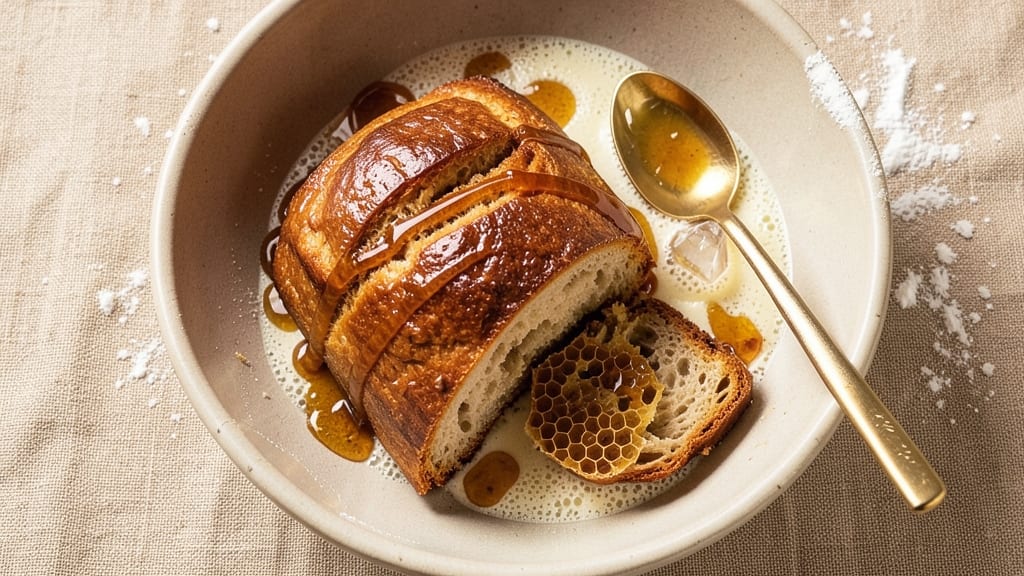
This adding honey to bread recipe transforms ordinary loaves into golden, caramelized masterpieces with a soft, pillowy interior that melts in your mouth. The secret lies in balancing sweetness and texture—just a touch of honey in the dough creates a crisp, amber crust while keeping the center tender.
I developed this technique after years of experimenting with artisan breads, and the difference is night and day compared to store-bought options.
The process is simpler than you’d expect: mix your dough with warm honey, let it rise slowly for maximum flavor development, then bake until the crust turns a deep, glossy caramel. No specialty equipment is needed—just a standard loaf pan and a little patience.
The honey not only sweetens but also enhances the bread’s moisture, preventing dryness while adding a subtle depth that pairs beautifully with butter, jam, or even savory toppings.
What you’ll end up with is a loaf that smells like a bakery, with a crispy, caramelized crust that gives way to a soft, airy crumb.
The honey’s natural sweetness shines through without overpowering, making this bread versatile enough for breakfast toast, sandwiches, or even as a side to hearty soups. The best part? It’s foolproof—even beginners will achieve restaurant-quality results.
For extra flair, brush the baked loaf with a honey glaze before serving, or sprinkle with flaky sea salt for a sweet-savory contrast. This recipe scales easily, so you can make a single loaf for two or double it for a crowd.
Let’s get started—your kitchen will smell like home in no time.
Ingredients for adding honey to bread
Four cups of flour, a touch of honey, and patience transform ordinary bread into bakery-style perfection.
| Ingredient | Amount | Notes |
|---|---|---|
| All-Purpose Flour 🌾 | 4 cups | Unbleached preferred for better texture |
| Active Dry Yeast 🍞 | 2 ¼ tsp | Ensure yeast is fresh for best rise |
| Granulated Sugar 🍚 | ½ cup | White sugar for balanced sweetness |
| Unsalted Butter 🧈 | ½ cup | Cold, cubed for easier mixing |
| Warm Water 💧 | 1 ¼ cups | 110°F for optimal yeast activation |
| Raw Honey 🍯 | ¼ cup | Wildflower or clover variety |
| Diamond Crystal Kosher Salt 🧂 | 1 ½ tsp | Adjust to taste after baking |
| Large Egg 🥚 | 1 whole | Room temperature for even mixing |
| Whole Milk 🥛 | ¼ cup | Warmed to enhance dough elasticity |
| Cornmeal 🌽 | ¼ cup | For dusting loaf pan |
| Flaky Sea Salt 🧂 | 1 tsp | For sprinkling on crust |
| Extra-Virgin Olive Oil 🫒 | 1 tbsp | For greasing pan |
The honey here is non-negotiable—look for raw, unprocessed varieties at Whole Foods or local farmers' markets for maximum flavor. Wildflower or clover honey adds subtle floral notes that complement the bread beautifully. If you're using store-bought, check the label for 100% pure honey (some blends contain corn syrup). For the flour, King Arthur or Bob's Red Mill brands yield the best texture, but any high-quality all-purpose will work. The butter should be cold and cubed—this prevents overdevelopment during mixing. Pro tip: if your kitchen's humid, chill the dough for 30 minutes before shaping to prevent sticking.
No raw honey? Light corn syrup or maple syrup works in a pinch, though the flavor won't be identical. Running short on whole milk? Warm almond milk or oat milk maintains the same richness. For the yeast, if it's been sitting in your pantry for months, test it first by mixing with warm water and sugar—it should foam within 5-10 minutes. No yeast? Instant yeast can be used at the same ratio, but don't skip the activation step. The flaky sea salt is worth hunting down—Maldon is the gold standard, but Trader Joe's carries a great budget-friendly version. For extra caramelization, brush the baked loaf with warmed honey glaze (equal parts honey and water) before serving.
This dough keeps beautifully—cover and refrigerate for up to 24 hours if you need to delay baking. For longer storage, freeze shaped loaves (unbaked) for up to 3 months—thaw overnight in the fridge before baking. The baked loaf stays fresh for 3-4 days at room temperature, wrapped in a towel. For reheating, wrap in foil and warm at 300°F for 10 minutes to revive that bakery-fresh crunch. The crust gets crunchier as it cools, so slice when completely room temperature for clean cuts. Portion into individual loaves for easy freezing or gifting—just double-wrap in plastic and foil.
Why You'll Love This Recipe
- No-Knead Magic: I swear by this dough—just mix, let it rise, and boom, golden honey-kissed bread with zero effort. The yeast does all the work while I sip coffee.
- Sweet Butter Love: That warm butter swirled into the dough? It melts into pockets of honeyed richness with every bite. Honestly, my kids fight over the last slice.
- Weeknight Hero: Toss the dough in the morning, bake before dinner—it’s my secret for stress-free meals. Even my picky husband doesn’t complain (he’s a hard sell).
- Budget-Friendly Staples: Flour, yeast, butter—these are pantry basics that stretch into something ridiculously good. Leftovers? Toast them for breakfast, and you’ve got a full day covered.
Step-by-step instructions for sweet caramelized honey bread
Here's how to infuse that golden honey sweetness throughout your bread—crisp crust, tender crumb, and all that caramelized magic.
Activate the Yeast with Honey and Warm Water
In a large mixing bowl, combine the 1.25 cups warm water (about 110°F) with the 0.25 cup raw honey and 2.25 tsp active dry yeast. Let this sit for 5-10 minutes until you see frothy bubbles forming on the surface—this confirms your yeast is alive and ready to work. The honey here does double duty: it feeds the yeast while adding subtle sweetness that will develop into rich caramel notes during baking.
I like to use a thermometer to check the water temperature—too hot and you'll kill the yeast; too cool and it won't activate properly. If you don't see bubbles after 10 minutes, your yeast might be old or the water too warm. Start fresh with a new packet of yeast if this happens.
Mix the Dough with Butter, Sugar, and Honey
Add the 4 cups all-purpose flour, 0.5 cup granulated sugar, 1.5 tsp diamond crystal kosher salt, and the 1 whole large egg to the yeast mixture. Using a wooden spoon or dough whisk, stir until a shaggy mass forms. Then cut in the 0.5 cup cold unsalted butter (cubed) with your fingers or a pastry cutter until the mixture resembles coarse crumbs with a few wet spots.
Next, add the 0.25 cup whole milk and mix until the dough starts coming together. The honey's natural moisture helps bind the dough without needing extra liquid. Knead by hand on a lightly floured surface for 8-10 minutes until the dough is smooth, elastic, and springs back when poked. If it feels sticky, add 1 tablespoon flour at a time—but don't overdo it, or your bread will turn dense.
First Rise for Maximum Flavor Development
Shape the dough into a ball, place it in a lightly oiled bowl, and cover with a damp towel. Let it rise in a warm place (75-80°F) for 1-1.5 hours, or until it has roughly doubled in size. The honey will make this dough rise slightly slower than plain bread dough, so be patient—this slow fermentation develops deeper flavor.
Gently punch down the dough to release air, then reshape it into a loaf. Here's a pro tip: fold the dough over itself a few times before final shaping. This creates tension in the gluten structure, which translates to a better oven spring and that beautiful honey-infused crumb you're after.
Shape and Second Rise for Perfect Structure
Transfer the shaped loaf to a parchment-lined loaf pan that's been brushed with 1 tablespoon extra-virgin olive oil. Sprinkle 0.25 cup cornmeal in the bottom of the pan first—this prevents sticking and adds a subtle nutty flavor. Let the dough rise again for 30-45 minutes until it's just above the pan's rim.
While the dough rises, preheat your oven to 375°F. The honey will caramelize beautifully at this temperature, creating that sweet crust you crave. Just before baking, brush the top of the loaf with a little water and sprinkle with 1 tsp flaky sea salt—this creates a crisp, salty-sweet crust that contrasts perfectly with the tender interior.
Bake to Golden Perfection with Honey Caramelization
Bake the honey bread for 35-40 minutes until the internal temperature reaches 190-200°F and the top is deep golden brown with caramelized patches. The honey will create a sticky, sweet glaze on the crust—this is exactly what you want! If the top browns too quickly, tent the loaf with foil to prevent over-browning while allowing the interior to cook through.
Let the bread cool in the pan for 10 minutes before transferring to a wire rack. This resting period allows the honey to continue caramelizing slightly, intensifying that sweet, buttery aroma. Slice while still warm for the perfect balance of crisp crust and soft, honey-kissed crumb. The interior should be tender with just a hint of chew, and those caramelized crust pieces? Pure magic.
Pro Tips For Making Adding Honey To Bread
- Bloom the Yeast Right: Mix your yeast with warm water and a pinch of sugar first—let it sit for 5-10 minutes until frothy. I learned this the hard way: skipping this step means your bread will rise slower, taste flat, and feel dense. If it doesn’t bubble, your yeast is dead, and you’re starting over.
- Use Honey Last: Stir honey into the dough only after the first rise, not at the start. Adding it early can kill the yeast—honey’s sugar is too aggressive for those little guys. Fold it in gently with the butter for a sweeter, stickier dough that browns beautifully.
- Don’t Over-Knead: Stop kneading when the dough springs back slowly and leaves a clean imprint when poked. I used to think more kneading = better bread, but this dough gets tough fast. Overwork it, and your honey-infused bread turns chewy instead of soft.
- Shape Loosely: Roll the dough into a loose log, not a tight one—leave room for expansion. My grandmother swore by this, and she was right: a snug shape cracks open during baking, while a loose one rises evenly. Brush with melted butter before baking for extra shine.
Storing and reheating this recipe
Room Temperature Revival
Your honey bread stays fresh for 3-4 days at room temperature when wrapped in a clean kitchen towel. The honey's natural moisture helps preserve the soft interior, but the crust will crisp up as it cools. For the best texture, slice and serve at room temperature—this prevents a gummy crumb.
If you notice the crust losing its crunch after 2 days, revive it by wrapping the loaf in foil and warming at 300°F for 5-10 minutes. This gentle heat reactivates the caramelization without drying out the bread. 🌟
Freezer Storage Secrets
For longer storage, freeze your honey bread in individual slices or as a whole loaf. Wrap tightly in plastic wrap, then place in a freezer bag with all air squeezed out. Label with the date—it keeps for up to 3 months without losing flavor.
To reheat, thaw overnight in the fridge, then warm slices in a toaster or oven at 300°F for 3-5 minutes. The honey's sweetness intensifies slightly after freezing, making it even more irresistible. For whole loaves, thaw completely before slicing to maintain that perfect honey-kissed texture.
Microwave Shortcuts
When you're in a hurry, microwave reheating works surprisingly well for honey bread. Place 2 slices on a microwave-safe plate, cover with a damp paper towel, and heat on 50% power for 20-30 seconds. The damp towel prevents drying while the low power preserves the honey's caramelized flavor.
For extra crispiness, finish by toasting in a dry skillet over medium heat for 30 seconds per side. This method takes just 1 minute and works perfectly for quick breakfasts or sandwiches. 💡
Crust Refresh Techniques
If your honey bread's crust loses its crunch after storage, try this pro trick: brush the cooled loaf with a 1:1 honey-water glaze (warm slightly to make it runny). Return to a 375°F oven for 3-5 minutes until the glaze sets into a fresh caramelized crust.
For a savory twist, sprinkle with flaky sea salt before reheating. This technique works especially well for bread that's been stored for 5+ days—it transforms stale bread into something that tastes freshly baked. The honey's natural stickiness helps the crust re-crisp beautifully.
Portion Control Tips
To prevent waste, store your honey bread in individual portions from day one. Wrap each slice in parchment paper, then place in an airtight container with a paper towel to absorb excess moisture. This method keeps slices fresh for 4-5 days at room temperature.
For freezing, portion into 2-slice stacks wrapped in plastic—this makes perfect sandwich portions that reheat evenly. Label with reheating instructions (microwave or toaster) so you can grab and go without thinking. The honey's sweetness makes it perfect for quick toast or charcuterie boards.
Nutrition facts
Frequently asked questions
Why does honey make bread crustier?
The natural sugars in honey caramelize during baking, creating a thicker, stickier crust that hardens beautifully. This reaction also adds that signature golden color and sweet aroma. The moisture in honey also helps prevent dryness while enhancing the bread's overall texture.
Can I substitute maple syrup for honey?
Yes, but expect slightly different flavor notes. Use a 1:1 ratio, but reduce the granulated sugar by 2 tablespoons since maple syrup is already sweet. The bread will still be delicious—just with a deeper, earthier taste. For best results, choose 100% pure maple syrup without additives.
How much honey should I add for a less sweet loaf?
Start with 2 tablespoons instead of the full ¼ cup for a subtle sweetness. You can also reduce the granulated sugar to ¼ cup while keeping the honey at ¼ cup for a balanced flavor. Taste the dough before baking to adjust further.
Will honey bread rise differently than regular bread?
Yes—the honey slows fermentation slightly, so expect a 10-15% longer rise time. The dough will also feel slightly stickier due to honey's moisture. Patience pays off: the extra time develops deeper flavor and a better crumb structure. Use a warm spot (75-80°F) to maintain proper rise.
Can I add honey to savory bread recipes?
Try 1-2 tablespoons in whole wheat or garlic bread for a subtle sweetness that balances savory flavors. The honey works beautifully with herbs like rosemary or thyme, or in focaccia mixed with olive oil. Just reduce salt slightly to avoid overpowering the bread.