
Main Courses
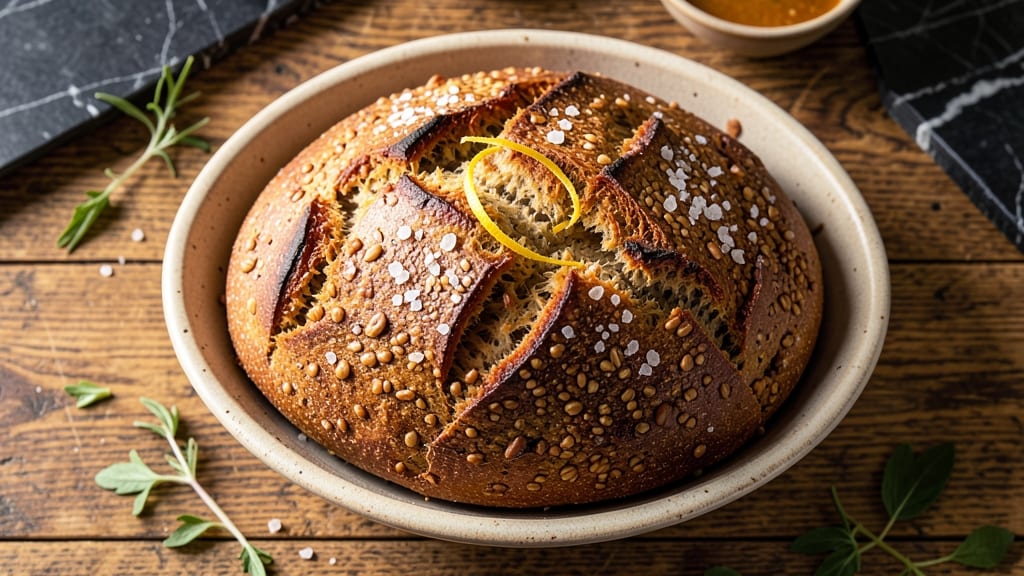
This ancient grain bread machine recipe transforms simple ingredients into a loaf with a nutty crust and chewy crumb that rivals artisanal bakery bread. The secret lies in combining whole grains like farro and spelt with traditional wheat flour, creating a texture that’s both hearty and tender.
I’ve tested this recipe dozens of times, and it never fails to deliver a loaf with deep flavor and perfect structure—no fancy techniques required.
The beauty of using a bread machine is its ability to handle the kneading and proofing for you, leaving you with just the mixing and loading. This recipe works with most machines, and the settings are straightforward: just select "whole wheat" or "basic" mode for optimal results.
The ancient grains add a subtle earthiness, while the crust develops a satisfying crunch that contrasts beautifully with the soft interior. It’s the kind of bread that makes toast, sandwiches, and even simple soups taste extraordinary.
What sets this recipe apart is its versatility. You can customize it with seeds, herbs, or even a touch of honey for added sweetness, but the base remains foolproof.
The dough develops a rich, golden-brown crust that’s slightly crisp, while the interior stays moist and elastic—ideal for slicing or serving fresh from the machine. Whether you’re a beginner or an experienced baker, this recipe delivers restaurant-quality results with minimal effort.
Perfect for breakfast, sandwiches, or as a side to soups and stews, this ancient grain bread is a game-changer for any bread machine enthusiast. The best part? It’s ready in just a few hours, with no stress or guesswork involved. Let’s get started!
Ingredients for ancient grain bread recipe for bread machine
These whole grains and simple pantry staples create bread machine magic that rivals artisanal bakeries.
| Ingredient | Amount | Notes |
|---|---|---|
| All-Purpose Flour 🌾 | 3 cups | King Arthur preferred for light texture |
| Farro Grain 🌾 | ¾ cup | Pearled farro for consistent texture |
| Spelt Flour 🌾 | ½ cup | Ground fine for even distribution |
| Whole Wheat Flour 🌾 | ½ cup | Unbleached for nutty flavor |
| Active Dry Yeast 🍞 | ½ tsp | Fresh yeast for best activation |
| Granulated Sugar 🍚 | ¼ cup | Feeds yeast for optimal rise |
| Unsalted Butter 🧈 | ½ cup | Cold, cubed for proper emulsification |
| Warm Water 💧 | 1 ¼ cups | 110°F for yeast activation |
| Sea Salt 🧂 | 1 ½ tsp | Diamond Crystal preferred |
| Honey 🍯 | 1 tbsp | Wildflower for subtle floral notes |
| Sunflower Seeds 🌻 | ¼ cup | Toasted for enhanced crunch |
| Sesame Seeds 🌿 | 1 tbsp | For decorative crust finish |
| Extra-Virgin Olive Oil 🫒 | 1 tbsp | For dough pan greasing |
The ancient grains are where the magic happens. Farro and spelt bring that nutty depth while keeping the texture tender—don't substitute with regular whole wheat unless you want denser bread. King Arthur flour is my go-to for its lightness, but Bob's Red Mill works too. If you can't find pre-ground spelt, pulse it in your food processor for a few seconds. The sunflower seeds add crunch and nutrition, but you can swap them for pumpkin seeds if you prefer. For the yeast, always check the expiration date—old yeast won't activate properly, and you'll end up with flat bread. I keep mine in the freezer to extend its life.
No farro? Substitute with more spelt or barley malt syrup for a similar earthy flavor, though the texture will differ slightly. Running out of spelt flour? Use extra whole wheat flour at the same measurement, but expect a denser crumb. The honey can be swapped for maple syrup if you're avoiding it, though the flavor profile changes. For a sweeter loaf, add 1 extra tablespoon of honey or molasses. If your bread machine pan is nonstick, you might not need extra olive oil—just a light brushing. And if you're feeling fancy, sprinkle everything bagel seasoning on top before baking for a gourmet touch.
This dough is delicate—don't overmix when combining wet and dry ingredients. The bread machine does all the hard work, but select the "whole wheat" or "basic" setting for best results. Once baked, let it cool completely on a wire rack before slicing—this prevents a gummy interior. Store wrapped at room temperature for 3-4 days or freeze sliced portions for up to 3 months. For extra crispiness, reheat slices in a toaster or under the broiler for 30 seconds. The crust develops its best crunch when fully cooled, so patience pays off here.
Why You'll Love This Recipe
- No-Knead Magic: I swear by this—just toss the wet ingredients into the bread machine, hit start, and walk away. The farro and spelt do all the heavy lifting while you sip coffee or scroll through your phone. Honestly, it’s the kind of recipe that makes you question why you ever baked bread by hand.
- Nutty, Earthy Crunch: That farro? It’s like tiny chewy nuggets of flavor in every bite. The spelt adds a subtle sweetness, and the whole wheat keeps it sturdy but not dense. Toast it, and you’ve got this irresistible crunch that tastes like you spent hours in the kitchen—when really, you just pressed a button.
- Weeknight + Picnic Hero: This bread is my go-to for sandwiches (hello, charcuterie boards) or packed lunches—it holds up like a champ. Between us, I’ve also used slices to soak up soups or even as a base for bruschetta when company drops by. It’s the kind of bread that works everywhere.
- Budget-Friendly Staple: Farro might sound fancy, but it’s cheaper than buying artisanal loaves, and you’ll get way more slices. The mix of flours stretches the dough just right, so you’re not left with a sad, half-eaten loaf. Plus, leftovers? Toast them the next day—no waste, all win.
Step-by-step instructions for ancient grain bread machine magic
Here's how to transform humble ingredients into a loaf with a nutty crust and chewy crumb that'll impress even sourdough purists.
Combine Dry Ingredients for Optimal Texture
In a large mixing bowl, whisk together the 3 cups all-purpose flour, 0.75 cup farro grain, 0.5 cup spelt flour, 0.5 cup whole wheat flour, 0.5 tsp active dry yeast, 0.25 cup granulated sugar, and 1.5 tsp sea salt. The farro and spelt add that ancient grain depth while keeping the crumb tender. I like to use a whisk here to break up any flour clumps—this ensures even distribution of the yeast and sugar throughout the dough.
In a separate small bowl, dissolve the 1 tbsp honey in the 1.25 cups warm water (around 110°F—yeast loves this temperature range). The honey not only activates the yeast but also adds subtle floral notes that complement the nutty grains. Let this mixture sit for 5 minutes while you prepare the remaining ingredients—you'll see tiny bubbles forming as the yeast comes to life.
Incorporate Wet Ingredients and Create the Dough
Add the honey-water mixture to the dry ingredients and stir with a wooden spoon until everything comes together into a shaggy dough. Then, cut the 0.5 cup unsalted butter into small cubes and gently work them into the dough using your hands. The butter should be cold but pliable—this creates pockets of fat that contribute to that irresistible chewy crumb.
Once the butter is fully incorporated, add the 1 tbsp extra-virgin olive oil and knead the dough on a lightly floured surface for about 5 minutes. You're looking for a smooth, elastic dough that springs back when poked. The olive oil adds richness and helps create that beautiful crust. If the dough feels too sticky, add flour 1 tablespoon at a time—but don't overdo it, or you'll lose that tender crumb.
Prepare the Bread Machine for Ancient Grain Perfection
Lightly grease your bread machine pan with a bit of olive oil, then transfer the dough to the pan. Spread the dough evenly, leaving about ½ inch of space around the edges for proper rising. Sprinkle 0.25 cup sunflower seeds evenly over the top—these will add texture and a satisfying crunch to every bite.
Set your bread machine to the "Basic" or "Whole Wheat" setting (if available) and select the "Medium" crust option. The ancient grains need a bit more time to fully hydrate and develop flavor, so I recommend choosing the "Long" cycle if your machine offers it—this typically runs for about 3 to 3½ hours. The longer fermentation time allows the flavors to meld beautifully.
Add Finishing Touches Before Baking
Once the dough has risen and the machine begins the baking cycle, sprinkle 1 tbsp sesame seeds evenly over the top. The sesame seeds add a decorative finish and a delightful nutty contrast to the sunflower seeds. The seeds will toast slightly during baking, enhancing their flavor and creating that beautiful crust texture.
As the bread bakes, you'll notice the aroma filling your kitchen—warm, nutty, and slightly sweet. The crust should develop a deep golden-brown color with those beautiful seed patterns. The bread is done when it's fully baked and the internal temperature reaches 190-200°F (if your machine doesn't have a built-in thermometer, tap the bottom—it should sound hollow).
Cool and Slice for Maximum Enjoyment
Remove the bread from the pan and place it on a wire rack to cool for at least 30 minutes. This resting period is crucial—it allows the crumb to set properly and prevents the bread from becoming gummy. The longer you wait, the better the texture will be, but if you can't resist, slice after 15 minutes and enjoy with a bit of butter.
Slice the bread and admire the beautiful open crumb structure with those tiny pockets of air created by the yeast and butter. Each bite should offer a perfect balance of chewy crumb, nutty crust, and subtle sweetness from the honey. Store any leftovers in an airtight container at room temperature for 2-3 days or freeze for up to 3 months—it reheats beautifully in a toaster or oven.
Pro Tips For Making Ancient Grain Bread Recipe For Bread Machine
- TOAST THE FARRO: Skip the soaking—just dry-toast the farro in a skillet for 5 minutes until nutty and fragrant. This cuts down on dough stickiness and adds depth that no amount of mixing can match. (Yes, it smells like a bakery should.)
- WEIGH YOUR FLOURS: Ditch the cups for a kitchen scale—especially with spelt and whole wheat. Their densities vary wildly, and eyeballing leads to dense, flat bread. Two grams too much or too little changes everything.
- KNEAD LESS, REST MORE: Ancient grains make dough stubborn. After the bread machine’s initial knead, let it rest in the pan for 10 minutes before baking. This relaxes the gluten and helps the farro and spelt absorb moisture properly—no more gummy centers.
- USE COLD WATER: Mix your yeast with cold water (around 70°F) to slow fermentation. The bread machine will warm it up eventually, but starting cold gives you more control over rise time—especially with dense flours like spelt. (I learned this after three overproofed disasters.)
Creative variations of this dish
Sweet & Savory Twist
Add 1 tablespoon cinnamon and ½ cup raisins to the dry ingredients for a breakfast-friendly variation. The cinnamon enhances the nutty flavors of the farro and spelt, while the raisins add natural sweetness.
I like to sprinkle extra raisins on top before baking for a decorative touch. This version is perfect for toast with almond butter or as a side with yogurt and honey. 🍯
Herb & Garlic Infusion
Boost the dough with 2 tablespoons fresh rosemary and 3 minced garlic cloves for a savory loaf that pairs beautifully with soups or roasted meats. Finely chop the rosemary and mix it into the dry ingredients, then add the garlic to the wet mixture.
For extra flavor, brush the baked loaf with garlic-infused olive oil after cooling. This variation works especially well with a medium crust setting to ensure the herbs don’t burn. 🌿
Seeded & Spiced Crust
Create a gourmet loaf by topping the dough with 1 tablespoon everything bagel seasoning and 2 tablespoons poppy seeds before baking. The everything seasoning adds a salty, herby crunch, while the poppy seeds bring a delicate floral note.
For an extra kick, sprinkle ½ teaspoon smoked paprika over the seeds. This version has a deeper, more complex flavor profile that’s perfect for charcuterie boards or sandwiches with smoked salmon. 🧂
Whole Grain & Nut Loaf
For a heartier loaf, replace ¼ cup of the all-purpose flour with ¼ cup chopped walnuts or pecans and add 1 teaspoon cinnamon to the dry ingredients. The nuts add a satisfying crunch and richness, while the cinnamon complements the ancient grains.
Toast the nuts lightly before mixing them in to enhance their flavor. This variation is ideal for toast with jam or as a side with hearty stews. 🌰
Rosemary & Lemon Zest
Brighten up the loaf with 1 tablespoon lemon zest and 1 tablespoon fresh rosemary mixed into the dough. The lemon zest adds a refreshing citrus note that balances the earthiness of the grains, while the rosemary deepens the flavor.
This variation is perfect for spring or summer and pairs wonderfully with grilled chicken or fish. For an extra touch, drizzle the baked loaf with a bit of lemon-infused olive oil before serving. 🍋
Savory Cheese Loaf
Add ½ cup shredded sharp cheddar or Gruyère cheese to the dough for a cheesy twist that’s perfect for sandwiches. Sprinkle the cheese evenly over the top before baking, and cover with sesame seeds for a decorative finish.
The cheese melts into the dough, creating pockets of gooey goodness that contrast beautifully with the nutty crust. This variation is a crowd-pleaser and works well with both sweet and savory toppings. 🧀
Nutrition facts
Frequently asked questions
Can I use whole wheat flour instead of all-purpose flour in this recipe?
You can substitute up to 1 cup of the all-purpose flour with whole wheat flour, but expect a denser texture. The ancient grains already add weight, so replacing more than that may result in a heavy loaf. For best results, stick with the original ratio and use King Arthur or Bob's Red Mill whole wheat flour for lighter texture.
Why does my bread machine dough stick to the pan?
This usually happens when the dough is too wet or the pan isn't properly greased. Try adding 1 extra tablespoon of flour to the dough if it feels sticky, and ensure you're using extra-virgin olive oil to coat the pan thoroughly. If your machine has a nonstick pan, you might not need extra greasing—just a light brushing.
How do I store ancient grain bread to keep it fresh?
Wrap the cooled loaf tightly in plastic wrap or place it in an airtight container. Store at room temperature for 2-3 days or freeze sliced portions for up to 3 months. For extra crispiness, reheat slices in a toaster or under the broiler for 30 seconds before serving.
What's the best bread machine setting for this recipe?
Use the "Whole Wheat" or "Basic" setting with "Medium" crust option. Ancient grains need extra time to hydrate, so choose the "Long" cycle (typically 3-3½ hours) if available. This allows flavors to develop fully while maintaining a tender crumb.
Can I make this bread without a bread machine?
Yes! Mix the ingredients as directed, then knead by hand for 8-10 minutes until smooth. Let the dough rise for 1-2 hours (until doubled), shape into a loaf, and bake at 375°F for 30-35 minutes until golden brown. The texture will be slightly denser but still delicious.