
Side Dishes
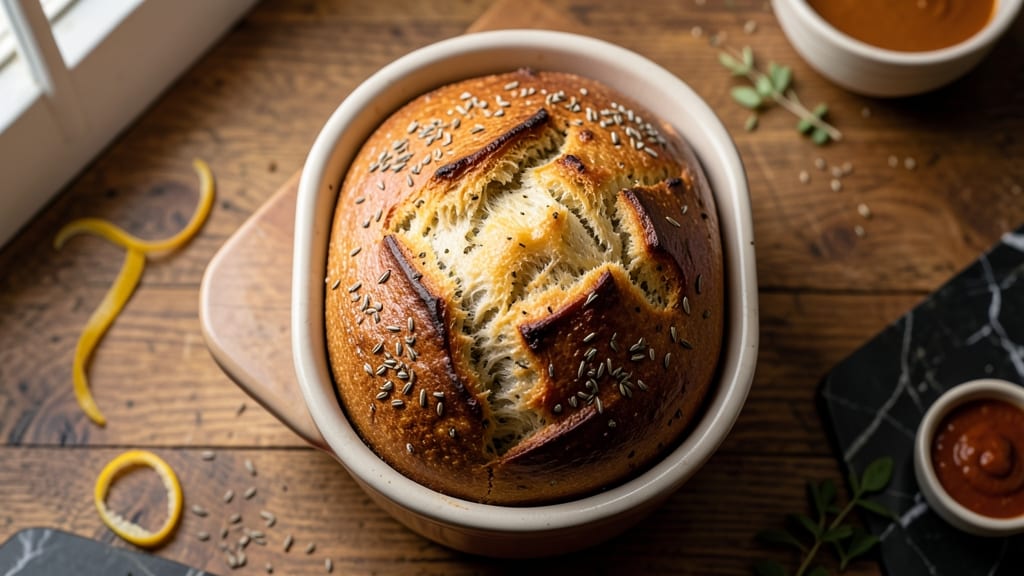
This anise bread machine recipe transforms simple ingredients into a fragrant, golden loaf with a crisp crust and tender crumb—perfect for elevating any meal. The subtle licorice notes of anise pair beautifully with warm bread flavors, creating a loaf that’s both comforting and sophisticated.
Unlike traditional yeast breads, this method relies on your bread machine’s precision to handle the delicate balance of herbs and moisture.
The secret lies in the bread machine settings: using the "basic" or "whole wheat" cycle with a medium crust setting ensures the exterior stays golden while the interior remains soft.
Anise seeds infuse the dough with their signature aroma, while a touch of honey adds depth to the flavor profile. This recipe delivers restaurant-quality results with minimal effort—no kneading, no waiting, just set-and-forget convenience.
By the time your bread machine signals "ready," you’ll have a loaf with a fragrant crust that crackles slightly and a moist, slightly chewy interior. The anise flavor is subtle yet unmistakable, making it a standout for breakfast toast, sandwiches, or paired with soups.
The best part? It’s foolproof—even beginners can achieve perfect results every time.
For added texture, consider mixing in sesame or poppy seeds before baking, or a zesty orange zest for brightness. This recipe scales easily, so you can bake two loaves for gatherings or freeze extras for later. Let’s get started on your first batch!
Ingredients for anise bread machine
Simple yet sophisticated—just 13 ingredients transform your bread machine into anise-scented magic.
| Ingredient | Amount | Notes |
|---|---|---|
| All-Purpose Flour 🌾 | 3 ½ cups | Unbleached, high-protein preferred |
| Whole Wheat Flour 🌾 | ½ cup | For added texture and nutrition |
| Active Dry Yeast 🍞 | ¼ oz | Or 2 1/4 tsp (1 packet) |
| Granulated Sugar 🍚 | ¼ cup | Feeds yeast and adds slight sweetness |
| Unsalted Butter 🧈 | ½ cup | Cold, cubed (full-fat for best flavor) |
| Large Eggs 🥚 | 1 whole | Room temperature for even mixing |
| Milk 🥛 | ¾ cup | Whole milk for richness (warm) |
| Anise Seeds 🌿 | 1 ½ tbsp | Lightly toasted for enhanced aroma |
| Honey 🍯 | 2 tbsp | For depth and moisture retention |
| Salt 🧂 | 1 tsp | Diamond Crystal kosher preferred |
| Orange Zest 🍊 | 1 tbsp | Brightens the anise flavor (optional) |
| Sesame Seeds 🌻 | 1 tbsp | For crunchy texture (optional) |
| Water 💧 | ¾ cup | Lukewarm for optimal yeast activation |
The anise seeds are your flavor anchor—buy whole seeds from a spice shop like Penzeys for maximum aroma. Toast them briefly in a dry pan before adding to the dough (30 seconds, just until fragrant). That little step unlocks their full licorice potential. For the flours, King Arthur brand all-purpose and Bob's Red Mill whole wheat deliver consistent results. The yeast? Always check the expiration date—old yeast means flat bread. Keep the butter cold until the bread machine starts mixing to prevent overdevelopment.
No anise seeds? 1 tsp anise extract works in a pinch (adjust to taste), but the toasted seeds give authentic texture. Running short on honey? Maple syrup at half the amount keeps the moisture balance. The orange zest is optional but worth it—use a fine grater for maximum flavor without bitterness. For sesame seeds, white or black both work, but toast them alongside the anise for even flavor infusion. The milk should be warm enough to dissolve the sugar but not hot enough to kill the yeast (110°F is ideal).
This dough keeps 24 hours in the fridge if you want to prep ahead—just let it sit at room temp for 10 minutes before starting the bread machine. For extra loaves, freeze the shaped dough in a bag for up to 3 months. Thaw overnight in the fridge before baking. The finished loaf stays fresh 3-4 days at room temperature, wrapped in a clean kitchen towel to maintain moisture. For reheating, wrap in foil and warm at 300°F for 10 minutes—perfect for reviving stale slices.
Why You'll Love This Recipe
- No-Knead Magic: I swear by this—just toss the dough in the machine, let it do the work, and walk away. The yeast and whole wheat blend rise beautifully without a single punch or fold from me.
- Licorice-Laced Warmth: That anise seed infusion? It’s like a whisper of black licorice hugging every bite, but not overpowering. The butter keeps it rich while the sugar just makes it sing—simple, but unforgettable.
- Breakfast to Brunch: Toast it fresh in the morning with jam, or pack slices for lunches. It’s sturdy enough for sandwiches but still soft enough to eat plain—my kids grab it for snacks, and I save the good pieces for guests. (Yes, even on a Tuesday night.)
- Dollar Stretch: A loaf costs me pennies but feels like a treat. Whole wheat cuts the flour bill, butter adds indulgence without breaking the bank, and leftovers? They last days—perfect for when I forget to bake until the last minute.
Step-by-step instructions for anise bread machine recipe
Your bread machine will do most of the work, but these key steps ensure a fragrant, textured loaf with perfect crust.
Prepare the Yeast and Liquid Mixture
In a small bowl, combine the 0.75 cup lukewarm water, 2 tbsp honey, and 0.25 cup granulated sugar. Stir until the sugar dissolves completely. This mixture should feel slightly warm to the touch—around 105-110°F. If it's too hot, let it cool for a few minutes; if too cold, warm it gently over a bowl of hot water.
Sprinkle the 0.25 oz active dry yeast over the liquid and let it sit for 5-10 minutes until it becomes frothy. You'll see bubbles forming and the mixture expanding—this confirms your yeast is active. If it doesn't foam, your yeast might be dead, and you'll need to start over. This step is crucial for proper rise and flavor development in your anise bread.
Mix the Dry Ingredients
In the bread machine pan, combine the 3.5 cups all-purpose flour and 0.5 cup whole wheat flour. Whisk them together to eliminate any lumps. Add the 1 tsp salt and the 1.5 tbsp anise seeds, mixing thoroughly. The anise seeds will release their aromatic oils as they bake, giving your bread that distinctive herbal note.
Create a well in the center of the dry ingredients and pour in the yeast mixture you prepared earlier. Using a wooden spoon, gently mix everything together until just combined. Avoid overmixing at this stage—you want to preserve the gluten development for the bread machine's kneading cycle. The dough should come together into a shaggy mass that's slightly sticky but not wet.
Add Wet Ingredients and Begin Machine Cycle
Add the 0.5 cup cold cubed unsalted butter to the dough mixture. The butter should be cold to help create a tender crumb, but not frozen—it needs to incorporate properly. Gently work the butter into the dough with your fingers or a spoon, breaking it into small pieces as you go. Add the 1 whole large egg and 0.75 cup warm milk, mixing until the butter is fully incorporated and the dough becomes cohesive.
Scrape any dough from your hands or utensils into the bread machine pan. Add the 1 tbsp orange zest and 1 tbsp sesame seeds, pressing them lightly into the surface. These will add bright citrus notes and a delightful crunch to your bread's crust. Select your bread machine's "Basic White Bread" setting and start the cycle. The machine will handle the kneading, rising, and baking for you.
Monitor and Finish the Baking Process
During the first 10 minutes of the kneading cycle, you might notice the dough becoming sticky. This is normal—your bread machine will adjust the liquid as needed. The machine will automatically knead the dough for about 5-10 minutes, then allow it to rise until it doubles in size. This typically takes 1-2 hours, depending on your machine and ambient temperature.
When the bread machine reaches the baking phase, you'll hear it begin heating. The bread will bake for about 30-45 minutes until it develops a deep golden-brown crust with a crisp texture. The machine will automatically shut off when the internal temperature reaches 190-210°F. Let the bread cool in the pan for 10 minutes before removing it to a wire rack to cool completely. This resting period allows the gluten to relax and prevents a gummy crumb.
Enjoy Your Fragrant Anise Bread
Once cooled, slice your anise bread to reveal a soft, open crumb with pockets of air from the whole wheat flour. The crust should be crisp and slightly chewy, with visible sesame seeds and a subtle orange zest aroma. Each slice should have a delicate anise flavor that's not overpowering but distinctly present—a perfect balance of herbal and sweet notes.
For best results, serve your bread within 2-3 days or freeze slices for up to 3 months. The anise flavor actually improves slightly as the bread stales, making it perfect for toast or French toast. This bread pairs beautifully with sharp cheeses, smoked salmon, or simply slathered with butter and honey for a simple yet luxurious treat.
Pro Tips For Making Anise Bread Machine
- Measure Yeast by Weight: The bread machine’s yeast cup isn’t precise—use a kitchen scale for 2.5 grams (about 1 teaspoon) instead. I learned this the hard way when my anise bread turned dense; whole wheat flour absorbs moisture differently, and yeast needs exact amounts to rise properly.
- Soften Butter Properly: Stick the unsalted butter in the fridge for 5 minutes before measuring, then cut into cubes and let it sit at room temp for 10–15 minutes. Cold butter won’t mix evenly with the wet ingredients, and your bread will end up greasy or unevenly textured—especially with whole wheat’s extra density.
- Skip the Whole Wheat Shortcut: Don’t swap all-purpose for whole wheat without adjusting liquids—whole wheat flour soaks up moisture like a sponge. Add 1–2 tablespoons extra water or milk to the recipe, or your dough will turn out dry and crumbly.
- Let It Knead Fully: Resist the urge to stop the machine early—run the full kneading cycle (usually 3–5 minutes longer than the recipe suggests). The whole wheat flour needs extra time to develop gluten, or your bread will taste gummy and lack structure. (Yes, it’s tempting to open it early.)
Wine and beer pairings for this recipe
Herbal Wine Pairings
The anise notes in this bread pair beautifully with aromatic white wines that complement its herbal complexity. A crisp Gewürztraminer from Alsace is my go-to choice—its lychee and rose aromas mirror the bread’s sweet and floral undertones. The wine’s slight sweetness balances the licorice intensity, creating a harmonious match. 🍷
For a drier option, try a Viognier with its stone fruit and floral characteristics. The wine’s acidity cuts through the bread’s richness while enhancing its citrus zest notes. Both wines should be served slightly chilled at 45-50°F to preserve their delicate aromas.
Citrus-Infused Beer
Beer lovers should reach for a Belgian witbier, like Hoegaarden, which features coriander and orange peel notes that echo the bread’s anise and citrus zest. The effervescence cleanses the palate between bites, making each slice taste fresh. Serve it well-chilled at 40-45°F to highlight its crisp, refreshing qualities.
For a hoppier option, a German Helles Lager offers a malty backbone that contrasts nicely with the bread’s herbal flavors. The subtle sweetness of the lager complements the honey in the dough, creating a balanced pairing. Avoid heavy, dark beers—they’ll overpower the delicate anise profile.
Unexpected Pairings
Surprisingly, a dry Riesling from Germany works wonders with this bread. The wine’s mineral notes and slight tartness create a refreshing contrast to the anise’s sweetness. I’ve found that a 2018 Dr. Loosen Blue Slate from the Mosel region elevates the bread’s flavors to new heights.
For a non-alcoholic option, try a sparkling hibiscus tea**> (like Jamaican Sorrel), which has a tart, floral profile that complements the anise beautifully. The effervescence mimics wine’s cleansing effect, making it a refreshing alternative.
Nutrition facts
Frequently asked questions about anise bread machine recipes
Can I substitute anise seeds with anise extract?
Yes, but use sparingly! 1 tsp anise extract replaces 1.5 tbsp whole seeds, but the flavor will be more concentrated. Start with half the extract amount and adjust to taste—extract can easily overpower the dough. For best results, lightly toast the seeds first to release their aromatic oils naturally.
My bread machine says "dough too sticky"—what should I do?
This happens when humidity or room temperature is high. First, reduce the milk by 1-2 tablespoons> and add 1 extra tablespoon of flour> to the pan. If your machine allows, select the "whole wheat" setting—it handles stickier dough better. Never add extra liquid during the cycle, as it can prevent proper gluten development.
How do I make this recipe gluten-free?
Replace the flours with a 1:1 gluten-free bread flour blend> (like Bob's Red Mill) and add 1 tsp xanthan gum> to improve texture. Reduce the honey by 1 tbsp> since gluten-free doughs absorb moisture differently. Expect a denser crumb—gluten-free breads typically have less rise. Let the dough rest 10 minutes> after mixing to hydrate properly.
Why does my bread taste bitter?
Over-toasted anise seeds or expired yeast are the usual culprits. Check your seeds—if they're dark brown or smell burnt, replace them. Also, ensure your yeast is fresh (test it in warm water first). Finally, avoid overbaking—the crust should be golden, not dark brown. For extra flavor depth, try adding ½ tsp cinnamon> to balance the anise.
Can I add nuts or dried fruit to this recipe?
For nuts, use ½ cup chopped walnuts or almonds> (toasted and cooled). For dried fruit, ½ cup chopped dried apricots or figs> work beautifully. Fold them in during the final mixing stage—don't add them too early, or they'll get overworked. Reduce the sesame seeds by ½ tbsp> to balance textures. Soak dried fruit in warm water for 10 minutes**> before adding for extra moisture.