
Desserts
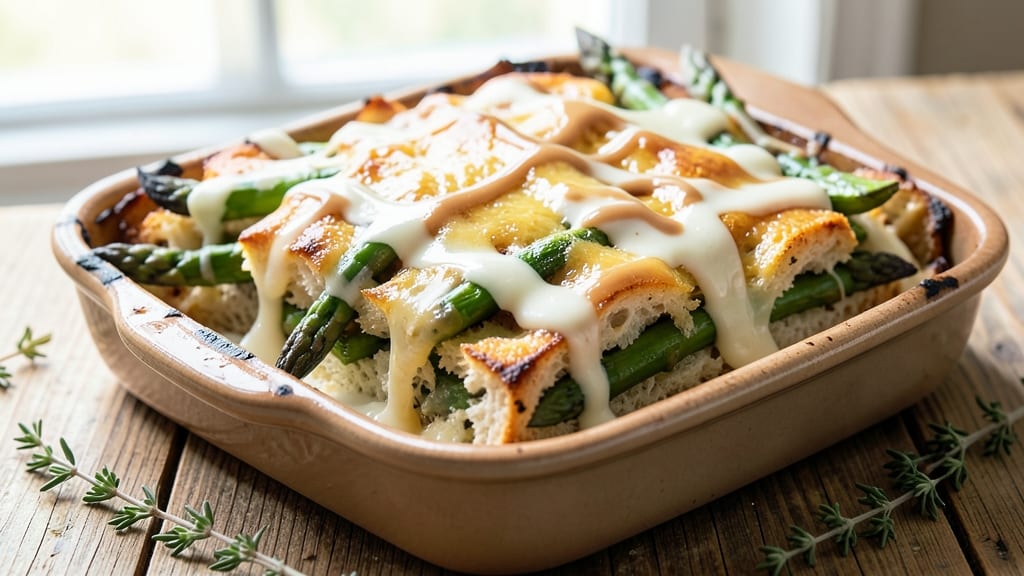
This asparagus bread pudding recipe reimagines a classic comfort dessert with spring's brightest green ingredient, blending tender bread cubes with blistered asparagus spears for a surprisingly sophisticated twist. The secret lies in balancing sweet custard with the asparagus's natural earthiness, creating a dessert that's both nostalgic and unexpected.
What makes this version special is how the asparagus transforms from side dish to star, adding subtle savory depth that complements the custard's richness.
The preparation method is straightforward yet transformative: cube your favorite bread, whip together a simple custard with eggs and milk, then fold in blanched asparagus spears that've been quickly seared in olive oil.
Baking at 350°F for about 45 minutes yields a golden top with a creamy interior where the asparagus keeps its satisfying bite. The result is a dessert that feels indulgent yet light—perfect for spring when you crave comfort without heaviness.
This recipe delivers on two fronts: it satisfies that bread pudding craving while celebrating seasonal produce in an unexpected way. The asparagus adds visual appeal with its vibrant green flecks throughout, and its subtle flavor bridges the gap between sweet and savory.
Whether you're serving it warm with vanilla ice cream or letting it cool slightly for easier slicing, each bite offers that perfect balance of textures and flavors.
For those with dietary considerations, simple substitutions make this adaptable: use plant-based milk and flax eggs for a vegan version, or add cinnamon and nutmeg to enhance the dessert's comforting qualities.
The recipe scales beautifully too, making it ideal for gatherings where you want to impress without stressing over complicated techniques.
Ingredients for asparagus bread pudding
Classic bread pudding ingredients reimagined with spring's vibrant green star ingredient.
| Ingredient | Amount | Notes |
|---|---|---|
| Stale Baguette 🍞 | 1 ½ lb | Day-old, crust removed |
| Large Eggs 🥚 | 6 whole | Room temperature preferred |
| Whole Milk 🥛 | 2 cups | Full-fat for creaminess |
| Granulated Sugar 🍚 | ¾ cup | Light brown sugar works too |
| Unsalted Butter 🧈 | ½ cup | Cold, cubed for custard |
| Vanilla Extract 🌿 | 1 tbsp | Pure, not imitation |
| Asparagus Spears 🌱 | 1 lb | Thick, trimmed ends |
| Extra-Virgin Olive Oil 🫒 | ¼ cup | For blistering asparagus |
| Sea Salt 🧂 | 1 tsp | Kosher or fine grain |
| Ground Black Pepper 🌶️ | ½ tsp | Freshly cracked preferred |
| Cinnamon 🌿 | ½ tsp | Ground, optional for warmth |
| Vanilla Ice Cream 🍦 | 1 ½ cups | For serving, optional |
The asparagus is the hero here—thick spears hold their shape best during baking. Trader Joe's or local farmers markets often carry the best quality in spring. Trim the woody ends carefully, and blister them in olive oil until tender-crisp before folding into the custard. For the bread, French baguettes work beautifully, but any sturdy loaf with a good crust will do. Look for bread that's just past its prime—it should be dry enough to absorb the custard but not completely stale. If you're short on time, toasted sourdough cubes make a great substitute.
No fresh asparagus? Frozen asparagus works in a pinch, though it won't have the same visual appeal. Swap the milk for half-and-half or heavy cream if you want extra richness. The vanilla extract can be replaced with 1 vanilla bean scraped for deeper flavor. For a spiced variation, add nutmeg or cardamom alongside the cinnamon. The custard mixture should be thick but pourable—if it's too stiff, whisk in a splash more milk. And if you're making this ahead, prep the asparagus first—it's the most time-sensitive component.
This dessert keeps beautifully for 3 days in the fridge, though it's best served within 24 hours for optimal texture. Reheat individual portions in the microwave for 30-45 seconds until warmed through. The asparagus will soften slightly but retains its satisfying bite. For make-ahead convenience, assemble the pudding in a baking dish the night before and refrigerate uncovered—this helps the top develop a lovely crust. Serve with that vanilla ice cream for the ultimate spring dessert experience.
Why You'll Love This Recipe
- No Chopping Needed: I swear, this recipe is the only bread pudding I’ll ever make—no veggie prep, no fuss. Just trim the asparagus ends, halve them, and toss them right into the milk mixture. Honestly, it’s the kind of dish where you can still be in pajamas when it comes out of the oven.
- Caramelized Magic: That crispy butter-toasted bread crust meets tender asparagus soaking in a custardy egg-milk hug? Between us, it’s dangerously addictive. The sugar and milk caramelize just enough to give it a subtle sweetness that balances the asparagus’s earthy bite—like a hug from a French bistro.
- Weeknight or Sunday Supper: Serve it warm for dinner with a sprinkle of flaky salt, or pack it for lunch the next day—it reheats like a dream. I’ll be real: my kids ask for this more than any other dessert, and it’s just as happy feeding two or six. (Yes, even on a Tuesday night.)
- Zero Waste, Double Payoff: Stale baguette? Not a problem—this turns it into something luxurious. And leftovers? They’re even better cold, sliced and buttered like a fancy charcuterie board. It’s my go-to for using up odds and ends, and honestly, the cost per serving is criminally low.
Step-by-step instructions for asparagus bread pudding
Transform your stale baguette into a luscious, spring-inspired dessert with this elevated bread pudding technique.
Prepare the Asparagus for Maximum Flavor
Preheat your oven to 425°F and line a baking sheet with parchment paper. Trim the tough ends from the 1 lb asparagus spears, then cut them into 1-inch pieces. Toss the asparagus with 0.25 cup extra-virgin olive oil, 0.5 tsp sea salt, and 0.25 tsp ground black pepper until evenly coated.
Spread the asparagus in a single layer on the prepared baking sheet. Roast for 12-15 minutes until the edges are deep golden brown and slightly blistered. You'll know they're ready when they smell intensely green and fragrant. Remove from the oven and let cool completely before using in the pudding.
Create the Custard Base
In a medium saucepan, combine the 2 cups whole milk, 0.75 cup granulated sugar, and 0.5 cup unsalted butter. Warm over medium heat until the butter melts completely and the mixture reaches 180°F - this temperature ensures the custard will set properly without curdling. Remove from heat and stir in the 1 tbsp vanilla extract and 0.5 tsp cinnamon.
In a separate large bowl, whisk together the 6 whole large eggs until the yolks and whites are fully combined. Slowly pour the warm milk mixture into the eggs while whisking constantly to create a smooth custard base. This gradual combination prevents the eggs from scrambling. Set aside at room temperature.
Assemble the Bread Pudding
Cut the 1.5 lb stale baguette into 1-inch cubes, removing any large crust pieces. In a 9x13-inch baking dish, combine the baguette cubes with the cooled roasted asparagus pieces. Pour the egg custard mixture over the bread, pressing down gently to ensure the cubes are fully saturated but not floating.
Cover the baking dish with aluminum foil and refrigerate for at least 4 hours or overnight. This chilling period allows the bread to absorb the custard completely and develop maximum flavor. The pudding should feel firm when you press the top gently with your finger.
Bake to Golden Perfection
Preheat your oven to 350°F. Remove the chilled bread pudding from the refrigerator and let it sit at room temperature for 15 minutes before baking. This prevents temperature shock that could cause cracking. Bake uncovered for 45-55 minutes until the top is golden brown and the center reaches 165°F when tested with an instant-read thermometer.
For the final touch, broil for 1-2 minutes until the top develops a beautiful caramelized crust. Watch carefully to prevent burning. Let the pudding rest for 10 minutes before serving to allow the custard to set completely.
Serve with Classic Presentation
Divide the warm bread pudding among serving plates. For an elegant finish, top each portion with 0.25 cup vanilla ice cream and a sprinkle of ground black pepper to enhance the asparagus flavor. The contrast of warm pudding with cool ice cream creates a perfect balance of textures and temperatures.
Serve immediately while still warm. Each bite should deliver tender bread soaked in rich custard, complemented by the earthy sweetness of roasted asparagus. The ice cream adds a refreshing contrast that makes this spring-inspired dessert feel truly special.
Pro Tips For Making Asparagus Bread Pudding
- Preheat That Dish: Your bread pudding won’t rise properly if the baking dish is cold—trust me, I’ve learned this after watching my first batch sink like a stone. Get that oven going to 350°F (175°C) and let the dish sit inside for 5 minutes before pouring in the custard. The extra heat helps the eggs set faster and gives you that golden crust without waiting forever.
- Cut Baguette Like a Pro: Tear that stale baguette into irregular chunks—no need for perfect cubes. The jagged edges create more surface area for the custard to cling to, so every bite has that gooey, buttery pull. And skip the food processor unless you want a dense, gummy mess.
- Whisk Eggs Until Thick: Don’t just crack and stir—whisk those eggs until they’re noticeably thicker, about 2 minutes with a fork or 30 seconds with a hand mixer. This ensures a silky texture instead of a watery one. I used to rush this, and the pudding always turned out sad.
- Roast Asparagus First: Toss the asparagus in 1 tablespoon olive oil, salt it, and roast at 400°F (200°C) for 10-12 minutes until tender-crisp. Fold them into the custard just before baking—this keeps them vibrant and prevents them from turning mushy. Cold, raw asparagus just sinks and ruins the texture.
Perfect pairings for this dish
Spring Beverage Pairings
Start with a crisp sparkling rosé like La Crema or Whispering Angel—its bright acidity cuts through the richness while complementing the asparagus's natural sweetness. The effervescence also cleanses your palate between bites, making each flavor profile stand out.
For a non-alcoholic option, try sparkling apple cider chilled with a splash of ginger beer—the zesty kick mirrors the asparagus's earthiness. 🍷
Contrasting Ice Cream Toppings
While vanilla ice cream is classic, swap it for lemon sorbet or honey lavender ice cream to highlight the asparagus's savory notes. The citrus tang in sorbet brightens the dish, while lavender's floral aroma adds an unexpected but harmonious layer.
For a playful twist, serve with dark chocolate-dipped strawberries—the tartness balances the custard's sweetness. 🍓
Herbal Tea Complements
Pair your pudding with Earl Grey tea or jasmine green tea for a sophisticated finish. The bergamot in Earl Grey enhances the asparagus's subtle bitterness, while jasmine's floral notes echo the vanilla in the custard.
Brew a small pot and serve warm for a comforting contrast to the warm dessert. 🍵
Coffee Pairing Secrets
Skip the heavy cream and opt for a light roast pour-over coffee with a hint of vanilla syrup instead. The coffee's acidity cuts through the custard's richness, while the vanilla ties back to the dessert's flavor.
For an espresso twist, add a pinch of sea salt to your cup—it mirrors the asparagus's natural saltiness. ☕
Seasonal Fruit Accents
Serve slices of peach or rhubarb compote alongside the pudding to introduce spring's bright flavors. The peach's juiciness contrasts the custard's creaminess, while rhubarb's tartness balances the asparagus's earthiness.
For a quick prep, simmer 1 cup peaches with 1 tbsp honey and a pinch of cinnamon for 5 minutes. 🍑
Nutrition facts
Frequently asked questions
Can I use fresh asparagus instead of roasted?
Fresh asparagus won't work well in this recipe because it needs to be tender-crisp after baking. For best results, always roast or blister the asparagus first to concentrate its flavor and texture. If you're short on time, you could quickly sauté it in olive oil until just tender, but roasting gives the best flavor development.
How do I make this recipe vegan?
Swap the eggs for 6 tablespoons flax eggs (6 tbsp ground flaxseed + 18 tbsp water), use plant-based milk (like almond or oat), and replace butter with vegan butter or coconut oil. The custard will be slightly lighter but still delicious. For extra richness, add 2 tablespoons cornstarch to the milk mixture to help it set.
Why did my bread pudding come out too dry? This usually happens when the bread cubes don't absorb enough custard or bakes too long.
Can I make this ahead of time?
Assemble the pudding in the baking dish and refrigerate uncovered for up to 24 hours before baking. This helps the bread absorb the custard better and creates a crispier top. For best results, bake it fresh the day you serve it—it's even more flavorful when made ahead.
What's the best bread for this recipe?
Look for a sturdy, crusty bread like baguette, sourdough, or Italian bread—these hold up well to soaking and baking. Avoid soft breads like brioche, as they'll turn mushy. If you can't find fresh bread, toasted cubes work too, but stale bread absorbs the custard more evenly.